Have you ever looked at your zucchini plant, overflowing with summer squash, and wondered if you could use more than just the fruit? You might be surprised to learn that there's a lesser-known edible part: the stalk! Yes, that sturdy stem supporting your prolific zucchini can be a delicious addition to your kitchen creations, reducing waste and adding a unique flavor to your meals. Exploring the Edibility of Zucchini Plant Stalk Many gardeners are familiar with the delight of harvesting fresh zucchini, but few consider the potential of the zucchini plant stalk. Understanding the nutritional value, preparation techniques, and safety considerations surrounding zucchini stalks can unlock a whole new culinary dimension for your garden bounty. So, is the zucchini stalk edible? The short answer is yes, but with a few important caveats. We need to consider the age of the plant and potential bitterness. Mature zucchini stalks, especially those from older plants,...
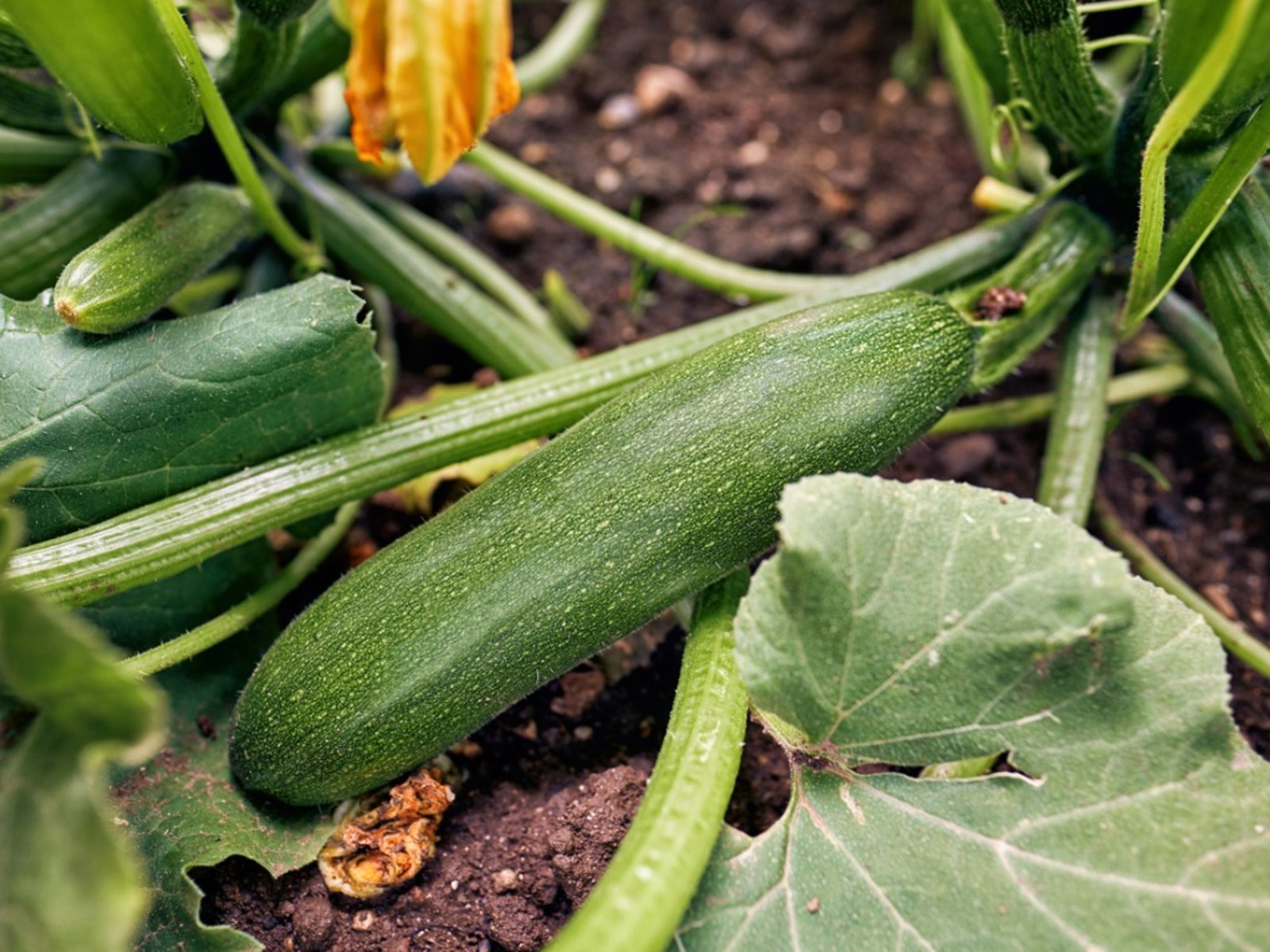
Seeing spots on your zucchini plants can be alarming! But don't panic just yet. A few spots don't necessarily spell doom for your zucchini harvest. In this blog post, we'll dive into the common causes of those pesky spots, how to identify them, and most importantly, what you can do to keep your zucchini plants healthy and producing those delicious summer squash.
Understanding Spots on Zucchini Plants
Zucchini plants, like any garden vegetable, are susceptible to various diseases and environmental factors that can manifest as spots on their leaves, stems, and even the fruit. Understanding what's causing these spots is the first step towards solving the problem and ensuring a bountiful harvest. Let's take a deeper look into potential causes and what you should look for.
Common Culprits Behind Zucchini Plant Spots
Several factors can lead to spots on your zucchini plants. Here's a breakdown of the most common offenders, along with details to help you identify each one:
Powdery Mildew
Powdery mildew is a fungal disease that appears as a white, powdery substance on the leaves and stems of your zucchini plants. While not strictly "spots" in the traditional sense, the powdery coating can certainly look like spots from a distance. It's particularly common in humid conditions with poor air circulation. Untreated, powdery mildew can weaken the plant, reducing fruit production and making it more susceptible to other diseases.
- Identification: Look for a white, powdery coating on the leaves, stems, and sometimes even the fruit. The coating may start as small, circular spots that eventually merge to cover larger areas.
- Conditions: Favored by warm days, cool nights, and high humidity. Poor air circulation also contributes.
- Impact: Reduces plant vigor, fruit production, and overall health. Can make the plant more susceptible to other diseases.
Bacterial Leaf Spot
Bacterial leaf spot is another disease that directly leads to spots. The spots are usually small, angular, and water-soaked at first, turning brown or black with a yellow halo as they mature. It can be caused by various bacteria. Humid conditions and splashing water spread the disease. Prevention is key, but treatment options exist if the infection takes hold.
- Identification: Small, angular spots on the leaves that appear water-soaked initially, then turn brown or black with a yellow halo.
- Conditions: Favored by warm, humid conditions and spread by splashing water.
- Impact: Causes leaf damage, reduces photosynthesis, and can lead to fruit rot.
Downy Mildew
Downy mildew, unlike powdery mildew, prefers cooler, wetter conditions. Symptoms usually begin as pale yellow or light green spots on the upper surface of the leaves. On the underside of the leaves, you'll find a fuzzy, gray or purplish growth. This disease spreads rapidly in humid weather and can devastate a zucchini crop if left unchecked.
- Identification: Pale yellow or light green spots on the upper leaf surface, with fuzzy gray or purplish growth on the underside.
- Conditions: Cool, wet weather with high humidity.
- Impact: Rapid leaf damage, leading to plant decline and reduced fruit production.
Anthracnose
Anthracnose is a fungal disease that causes sunken, circular spots on leaves, stems, and fruit. The spots can be brown, black, or even tan, and may have a pinkish or orange center. Anthracnose thrives in warm, humid conditions and can spread quickly through splashing water or infected seeds.
- Identification: Sunken, circular spots on leaves, stems, and fruit. The spots can be brown, black, or tan, with a possible pinkish or orange center.
- Conditions: Warm, humid conditions and spread by splashing water or infected seeds.
- Impact: Causes lesions on leaves, stems, and fruit, leading to reduced yields and fruit rot.
Viral Diseases
Several viruses, such as Zucchini Yellow Mosaic Virus (ZYMV) and Watermelon Mosaic Virus (WMV), can cause a variety of symptoms, including mottled leaves, yellowing, and distorted growth. These viruses are typically spread by aphids or other insect vectors. Unfortunately, there is no cure for viral diseases in zucchini plants. Prevention through insect control is the best approach.
- Identification: Mottled leaves, yellowing, stunted growth, and distorted fruit. Symptoms vary depending on the specific virus.
- Conditions: Spread by aphids and other insect vectors.
- Impact: Significant reduction in plant vigor, fruit production, and fruit quality.
Sun Scald
While not a disease, sun scald can also cause spots on zucchini fruit. It occurs when the fruit is exposed to direct sunlight for prolonged periods, especially during hot weather. The exposed areas may develop white or yellowish patches that eventually turn brown and become leathery. Proper shading and ensuring adequate leaf cover can help prevent sun scald.
- Identification: White or yellowish patches on the fruit exposed to direct sunlight, which eventually turn brown and leathery.
- Conditions: Prolonged exposure to direct sunlight, especially during hot weather.
- Impact: Damages the fruit, making it unmarketable.
Preventing Spots on Zucchini Plants: Best Practices
Prevention is almost always better than cure when it comes to plant diseases. Here are some best practices to help keep your zucchini plants healthy and spot-free:
- Choose Resistant Varieties: Opt for zucchini varieties that are known to be resistant to common diseases like powdery mildew. Seed packets and plant labels will often indicate disease resistance.
- Ensure Proper Spacing: Give your zucchini plants enough space to allow for good air circulation. This helps reduce humidity and prevents the spread of fungal diseases.
- Water Properly: Water at the base of the plants to avoid wetting the leaves, which can create a favorable environment for fungal growth. Water early in the morning to allow the leaves to dry before nightfall.
- Practice Crop Rotation: Avoid planting zucchini in the same location year after year. Rotating crops helps prevent the buildup of soilborne diseases.
- Maintain Good Hygiene: Remove any infected leaves or plants promptly to prevent the spread of disease. Disinfect your pruning tools regularly with a solution of bleach and water.
- Control Pests: Regularly inspect your plants for pests like aphids, which can transmit viral diseases. Use insecticidal soap or neem oil to control infestations.
Treating Spots on Zucchini Plants
If your zucchini plants have already developed spots, don't despair! Here are some treatment options depending on the cause:
For Powdery Mildew:
- Milk Spray: Mix 1 part milk with 9 parts water and spray on the affected leaves. This has been shown to be an effective organic treatment for powdery mildew.
- Baking Soda Spray: Mix 1 teaspoon of baking soda with 1 quart of water and a few drops of liquid soap. Spray on the affected leaves.
- Fungicides: Several fungicides are available for treating powdery mildew. Choose a product that is specifically labeled for use on vegetables and follow the instructions carefully.
For Bacterial Leaf Spot:
- Copper-Based Fungicides: Copper-based fungicides can help control bacterial leaf spot, but they may not completely eradicate the disease.
- Remove Infected Leaves: Prune off any heavily infected leaves to prevent the spread of the disease.
For Downy Mildew:
- Fungicides: Fungicides containing chlorothalonil or mancozeb can be effective against downy mildew. Apply the fungicide as a preventative measure before symptoms appear, or at the first sign of infection.
- Improve Air Circulation: Prune the plants to improve air circulation and reduce humidity.
For Anthracnose:
- Fungicides: Fungicides containing chlorothalonil or copper can help control anthracnose. Apply the fungicide as a preventative measure or at the first sign of infection.
- Remove Infected Fruit: Remove any infected fruit from the plant to prevent the spread of the disease.
For Viral Diseases:
- No Cure: Unfortunately, there is no cure for viral diseases in zucchini plants. The best course of action is to remove and destroy the infected plants to prevent the spread of the virus to other plants.
- Control Aphids: Focus on controlling aphids to prevent the spread of viral diseases. Use insecticidal soap or neem oil to control aphid infestations.
Regularly inspecting your zucchini plants and taking prompt action at the first sign of trouble can make a big difference in preventing and managing spots. Happy gardening!
To help keep your zucchini plants healthy and well-maintained, consider using tools like the Fiskars Bypass Pruning Shears. These 5/8-Inch Cut Capacity Garden Clippers offer sharp, rust-resistant steel blades, ensuring clean cuts that promote plant health and prevent disease. These gardening scissors are perfect for removing infected leaves or pruning for better air circulation. You can find them here: https://amzn.to/4i LKbs8.