Have you ever looked at your zucchini plant, overflowing with summer squash, and wondered if you could use more than just the fruit? You might be surprised to learn that there's a lesser-known edible part: the stalk! Yes, that sturdy stem supporting your prolific zucchini can be a delicious addition to your kitchen creations, reducing waste and adding a unique flavor to your meals. Exploring the Edibility of Zucchini Plant Stalk Many gardeners are familiar with the delight of harvesting fresh zucchini, but few consider the potential of the zucchini plant stalk. Understanding the nutritional value, preparation techniques, and safety considerations surrounding zucchini stalks can unlock a whole new culinary dimension for your garden bounty. So, is the zucchini stalk edible? The short answer is yes, but with a few important caveats. We need to consider the age of the plant and potential bitterness. Mature zucchini stalks, especially those from older plants,...
Imagine plump, glossy zucchini just waiting to be harvested from your own backyard! It's more than just a dream; growing zucchini is incredibly rewarding, and with the right know-how, you'll be swimming in delicious summer squash before you know it. Let's dive into the nitty-gritty of zucchini plant care and get you on the path to a bountiful harvest.
Understanding Zucchini Plant Basics
Before we get our hands dirty, let's talk zucchini 101. Zucchini plants (Cucurbita pepo) are warm-season vegetables that thrive in sunny locations with well-drained soil. They are also known for being prolific producers, meaning one or two plants can often supply a whole family with zucchini throughout the growing season! Understanding their basic needs is the first step to masteringhow to care for zucchini plants.
The Zucchini Plant Lifecycle
Zucchini plants have a relatively short lifespan, but a productive one! Here’s a breakdown of the typical life cycle:
- Germination: From seed to sprout, this takes about 7-10 days under ideal conditions (warm soil, plenty of moisture).
- Vegetative Growth: The plant focuses on growing leaves and stems. This stage is crucial for establishing a strong foundation for fruiting.
- Flowering: Zucchini plants produce both male and female flowers. Male flowers are on long, slender stalks, while female flowers have a small zucchini-like bulge at their base. Pollination is essential for fruit development.
- Fruiting: Once the female flowers are pollinated, the zucchini will rapidly grow. This is where the magic happens!
- Decline: As the season cools or the plant becomes exhausted, it will start to decline in productivity.
Choosing the Right Zucchini Variety
There are many varieties of zucchini to choose from, each with its own unique characteristics. Some popular choices include:
- Black Beauty: A classic dark green zucchini, known for its productivity.
- Gold Rush: A bright yellow zucchini, adding a pop of color to your garden.
- Costata Romanesco: A ribbed, slightly nutty-flavored zucchini.
- Round Zucchini (Eight Ball): Ideal for stuffing!
Consider your local climate and taste preferences when selecting a zucchini variety. Also, think about space constraints; some varieties are bush-type, while others are vining and require more room to spread.
Planting Zucchini: Setting the Stage for Success
Proper planting is essential to learnhow to care for your zucchini plantsfor optimal growth. Get it right from the start, and you'll be well on your way to a fantastic harvest.
Timing is Everything
Zucchini is sensitive to frost, so it's important to wait until all danger of frost has passed before planting. Soil temperature should be at least 60°F (15°C). A good rule of thumb is to plant zucchini seeds or seedlings about 2-3 weeks after the last expected frost in your area. You can often find planting guides specific to your zip code online. Planting at the correct time is very important in properlycaring for zucchini plants.
Preparing the Soil
Zucchini plants need nutrient-rich, well-drained soil. Amend your garden bed with plenty of compost or aged manure before planting. This will improve soil structure, drainage, and fertility. A slightly acidic to neutral p H (6.0-7.5) is ideal. If your soil is heavy clay, consider adding sand or perlite to improve drainage. Consider testing the soil p H before planting, too!
Direct Sowing vs. Transplanting
Zucchini can be directly sown into the garden or started indoors and transplanted. Direct sowing is generally preferred, as zucchini plants don't always transplant well. However, starting seeds indoors can give you a head start on the growing season, particularly in cooler climates.
- Direct Sowing:Sow seeds about 1 inch deep and 2-3 feet apart. Thin seedlings to the strongest plant once they emerge.
- Transplanting: Start seeds indoors about 3-4 weeks before the last expected frost. Harden off seedlings gradually before transplanting them into the garden. Space transplants about 2-3 feet apart.
Whether you direct sow or transplant, ensure that the roots have room to grow and are not constricted. Crowding is the enemy when you arecaring for zucchini plants.
We've found that providing support during planting is a good idea! Consider using high quality garden clippers, like the Fiskars Bypass Pruning Shears, 5/8-Inch Cut Capacity Garden Clippers, Gardening Scissors with Sharp, Rust Resistant Steel Blade, which can be found here: https://amzn.to/4i LKbs8. They'll help keep your plants looking neat and tidy!
Zucchini Plant Care: Nurturing Your Plants
Now that your zucchini plants are in the ground, it's time to provide them with the care they need to thrive. This involves watering, fertilizing, controlling pests and diseases, and other essential tasks.
Watering
Zucchini plants need consistent moisture, especially during hot weather. Water deeply and regularly, aiming for about 1 inch of water per week. Avoid overhead watering, which can promote fungal diseases. Instead, water at the base of the plant, preferably in the morning. Mulching around the plants can also help retain moisture and suppress weeds.
Fertilizing
Zucchini plants are heavy feeders and benefit from regular fertilization. Apply a balanced fertilizer (e.g., 10-10-10) every 2-3 weeks during the growing season. You can also supplement with compost tea or other organic fertilizers. Be careful not to over-fertilize, as this can lead to excessive foliage growth at the expense of fruit production. Keep an eye on the plant's health when youcare for your zucchini plants, that way you'll know if fertilizer is working or not.
Here’s a quick guide on understanding fertilizer numbers:
| Number | Represents | What it Does |
|---|---|---|
| First Number | Nitrogen (N) | Promotes leafy growth |
| Second Number | Phosphorus (P) | Supports root development and flowering |
| Third Number | Potassium (K) | Enhances overall plant health and disease resistance |
Pollination
As mentioned earlier, zucchini plants have separate male and female flowers. Pollination is necessary for fruit to develop. Bees are the primary pollinators, but sometimes they need a little help. If you're not seeing a lot of bees in your garden, you can hand-pollinate the flowers. To do this, simply use a small paintbrush to transfer pollen from the male flowers to the female flowers. You'll know a female flower has been successfully pollinated when the small zucchini at the base starts to swell. In summary, you need to help them with pollination whencaring for your zucchini plants.
Pest and Disease Control
Zucchini plants are susceptible to several pests and diseases, including:
- Squash Bugs: These sap-sucking insects can weaken plants and transmit diseases. Hand-pick them off or use insecticidal soap.
- Squash Vine Borers: These pests bore into the stems of zucchini plants, causing them to wilt and die. Use row covers to prevent them from laying eggs, or inject Bt (Bacillus thuringiensis) into the stems to kill the larvae.
- Powdery Mildew: This fungal disease causes a white, powdery coating on the leaves. Improve air circulation, avoid overhead watering, and apply a fungicide if necessary.
- Cucumber Beetles: These beetles can transmit bacterial wilt. Use row covers or insecticidal soap to control them.
Regularly inspect your plants for signs of pests and diseases, and take action promptly. Prevention is always the best approach. A healthy plant is always more resistant to pests and diseases.
Pruning
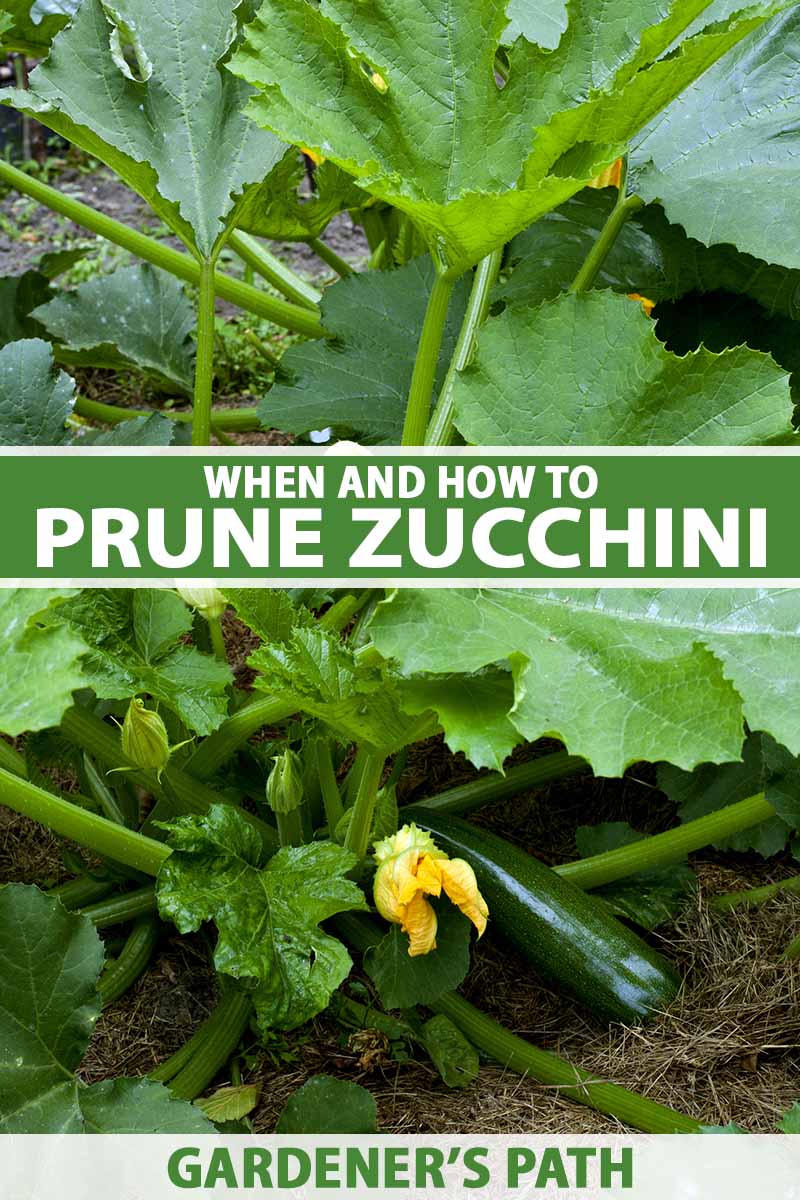
While not always necessary, pruning zucchini plants can improve air circulation and encourage fruit production. Remove any yellowing or damaged leaves. You can also remove some of the older leaves to allow more sunlight to reach the developing fruit. Be gentle when pruning and avoid removing too many leaves at once. It's best to err on the side of caution!
Harvesting and Enjoying Your Zucchini
Harvest time is the most rewarding part ofhow to care for zucchini plants! Zucchini is typically ready to harvest about 50-60 days after planting. The ideal size for harvesting is when the zucchini is about 6-8 inches long. Use a sharp knife or pruning shears to cut the zucchini from the plant, leaving a short stem attached. Overgrown zucchini can become seedy and less flavorful, so harvest regularly to encourage continued production.
Storing Zucchini
Freshly harvested zucchini can be stored in the refrigerator for up to a week. Wrap it in a plastic bag or container to prevent it from drying out. For longer storage, you can freeze zucchini. Blanch it in boiling water for a few minutes, then cool it quickly in ice water before freezing. Zucchini can also be shredded and frozen for use in baking.
Creative Ways to Use Your Zucchini Harvest
With a bountiful zucchini harvest, the possibilities are endless! Here are just a few ideas:
- Grilled Zucchini: Slice zucchini lengthwise, brush with olive oil, and grill until tender.
- Zucchini Bread or Muffins: A classic way to use up excess zucchini.
- Zucchini Noodles (Zoodles): A healthy and delicious alternative to pasta.
- Stuffed Zucchini: Hollow out zucchini and fill with a mixture of rice, vegetables, and meat or cheese.
- Zucchini Fritters: Grated zucchini mixed with flour, eggs, and seasonings, then fried until golden brown.
From savory dishes to sweet treats, zucchini is a versatile vegetable that can be enjoyed in countless ways!
Troubleshooting Common Zucchini Plant Problems
Even with the best care, you may encounter some challenges when growing zucchini. Here are some common problems and how to address them:
Problem: Lack of Fruit Production
Possible causes:
- Poor pollination.
- Insufficient sunlight.
- Lack of nutrients.
- Extreme temperatures.
Solutions:
- Hand-pollinate flowers.
- Ensure plants receive at least 6 hours of sunlight per day.
- Fertilize regularly.
- Provide shade during heatwaves.
Problem: Yellowing Leaves
Possible causes:
- Overwatering.
- Nutrient deficiencies.
- Pest infestations.
- Disease.
Solutions:
- Adjust watering schedule.
- Fertilize with a balanced fertilizer.
- Inspect plants for pests and diseases and take appropriate action.
Problem: Blossom End Rot
Possible cause: Calcium deficiency.
Solution: Add calcium to the soil (e.g., bone meal or crushed eggshells) and ensure consistent watering.
Advanced Tips for Zucchini Plant Care
Want to take your zucchini growing skills to the next level? Here are a few advanced tips:
- Succession Planting: Plant zucchini seeds every 2-3 weeks to ensure a continuous harvest throughout the summer.
- Companion Planting: Plant zucchini with beneficial companion plants like marigolds (to deter pests) or nasturtiums (to attract pollinators).
- Vertical Growing: Train vining zucchini varieties to grow on a trellis to save space and improve air circulation.
- Saving Seeds: If you have a favorite zucchini variety, you can save the seeds to plant next year. Allow the zucchini to mature fully on the vine, then scoop out the seeds, rinse them, and dry them thoroughly before storing them in a cool, dry place.
By following these tips and tricks, you can become a zucchini growing pro! With a little bit of knowledge and effort, you'll be enjoying a bountiful harvest of delicious zucchini all summer long. Happy gardening!