Have you ever looked at your zucchini plant, overflowing with summer squash, and wondered if you could use more than just the fruit? You might be surprised to learn that there's a lesser-known edible part: the stalk! Yes, that sturdy stem supporting your prolific zucchini can be a delicious addition to your kitchen creations, reducing waste and adding a unique flavor to your meals. Exploring the Edibility of Zucchini Plant Stalk Many gardeners are familiar with the delight of harvesting fresh zucchini, but few consider the potential of the zucchini plant stalk. Understanding the nutritional value, preparation techniques, and safety considerations surrounding zucchini stalks can unlock a whole new culinary dimension for your garden bounty. So, is the zucchini stalk edible? The short answer is yes, but with a few important caveats. We need to consider the age of the plant and potential bitterness. Mature zucchini stalks, especially those from older plants,...
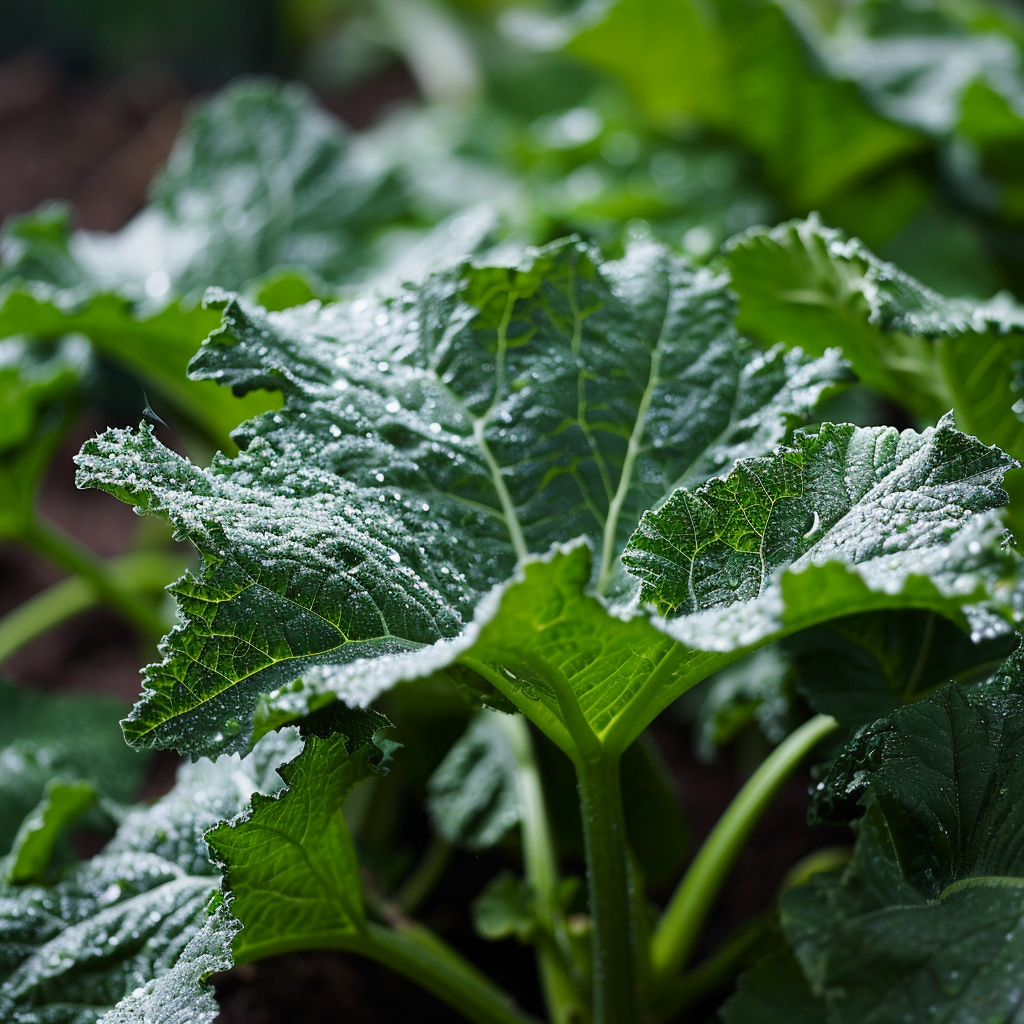
Ever gaze upon your zucchini plant, a sprawling behemoth of green, and wonder if you could tame it a little? Or maybe you've noticed some yellowing or diseased leaves and thought, "Surely, I can just snip those off, right?" Well, you're not alone! The question of whether you can trim zucchini plant leaves is a common one among gardeners, and the answer is a bit more nuanced than a simple yes or no. Let's dive in and explore the ins and outs of pruning your zucchini.
Trimming Zucchini Plant Leaves: A Guide for Gardeners
Zucchini plants, known for their vigorous growth and prolific fruit production, can sometimes become overwhelming. Understanding when and how to trim your zucchini leaves is key to maintaining a healthy and productive plant. Improper trimming can stress the plant and reduce yields, while strategic pruning can improve airflow, sunlight penetration, and overall plant health. Let’s explore the reasons, the how-tos, and the potential pitfalls of trimming zucchini plant leaves.
Why Trim Zucchini Plant Leaves? Understanding the Benefits
There are several compelling reasons why you might consider trimming the leaves of your zucchini plant. The key is understanding the specific needs ofyourplant inyourgarden. Think of it as tailoring your care to the individual rather than blindly following a general rule.
Improving Airflow and Sunlight Penetration
Dense foliage can trap moisture and restrict airflow, creating a breeding ground for fungal diseases like powdery mildew. Trimming some of the larger, older leaves, especially those closer to the ground, can significantly improve air circulation. This allows the leaves to dry more quickly after rain or watering, reducing the risk of fungal infections. Similarly, if the leaves are so dense that they are blocking sunlight from reaching the developing fruits, strategic trimming can improve fruit ripening and overall yield. More sunlight also allows for better photosynthesis, which is the process by which the plant converts light into energy.
Removing Diseased or Damaged Leaves
One of the most straightforward reasons to trim zucchini leaves is to remove those that are diseased, damaged, or yellowing. These leaves are no longer contributing to the plant's health and can actually drain resources or spread disease. Promptly removing them helps prevent the problem from escalating. Look for signs of fungal spots, insect damage, or general decay. If you spot such a leaf, it's better to remove it as soon as possible. This is especially important in humid or wet conditions where diseases can spread rapidly. Always dispose of the removed leaves properly, ideally away from your garden, to prevent the disease from re-infecting your plants.
Controlling Plant Size and Shape
Zucchini plants can get quite large and sprawling, sometimes taking over entire garden beds. While you can't drastically reduce the overall size of the plant by simply trimming leaves, you can help manage its shape and prevent it from crowding out neighboring plants. This is more about shaping the plant to fit your garden space rather than dramatically altering its growth habits. However, be mindful that overly aggressive trimming can negatively impact fruit production.
When to Trim Zucchini Plant Leaves: Timing is Key
The timing of when you trim zucchini plant leaves is just as important ashowyou trim them. A well-timed prune can boost the plant, while a poorly timed one can set it back.
Best Time of Day
The best time to trim zucchini leaves is in the morning, on a dry day. This allows the cuts to dry and heal quickly, reducing the risk of infection. Avoid trimming in the evening or on rainy days, as the moisture can create a favorable environment for fungal growth. The warmth of the morning sun can also help to cauterize the cut edges, further preventing infection.
Ideal Stage of Growth
It's generally best to wait until your zucchini plant is well-established before you start trimming leaves. This typically means waiting until the plant is producing fruit and has a good amount of healthy foliage. Avoid trimming leaves too early in the season, as the plant needs them to fuel its initial growth. As the plant matures, you can start to selectively remove older, yellowing leaves or those that are blocking sunlight from reaching the fruits. Focus on maintaining good airflow and sunlight penetration throughout the growing season.
Avoiding Trimming During Stressful Periods
Avoid trimming zucchini leaves during periods of stress, such as extreme heat, drought, or pest infestations. These stresses already weaken the plant, and trimming can further exacerbate the problem. Wait until the plant has recovered from the stress before you start trimming. If the plant is struggling, focus on addressing the underlying issue, such as providing adequate water or controlling pests, before you start pruning. Adding fertilizer or compost can also help the plant recover its vigor.
How to Trim Zucchini Plant Leaves: A Step-by-Step Guide
Now that you knowwhyandwhento trim, let's get into thehow. It's a straightforward process, but doing it correctly will help prevent problems down the road.
Gathering the Right Tools
The most important tool for trimming zucchini leaves is a pair of sharp, clean pruning shears or scissors. Dull tools can crush the stems, making them more susceptible to disease. Clean tools prevent the spread of disease from one plant to another. Before you start, sterilize your pruning shears with rubbing alcohol or a bleach solution (1 part bleach to 9 parts water). For bigger, thicker stems you may need a small pruning saw. Investing in quality tools will not only make the job easier but also ensure the health of your plants. For example, a reliable pair of garden clippers, such as the Fiskars Bypass Pruning Shears, 5/8-Inch Cut Capacity Garden Clippers, Gardening Scissors with Sharp, Rust Resistant Steel Blade, can make clean cuts and prevent damage to your zucchini plants. You can find them here: https://amzn.to/4i LKbs8.
Identifying Leaves for Removal
Carefully inspect your zucchini plant and identify the leaves that need to be removed. Focus on leaves that are yellowing, diseased, damaged, or blocking sunlight from reaching the fruits. Also, consider removing some of the larger, older leaves near the base of the plant to improve airflow. Remember, the goal is to improve the overall health and productivity of the plant, not to drastically alter its appearance. Only remove leaves that are truly necessary.
Making Clean Cuts
When trimming zucchini leaves, make clean cuts close to the main stem. Avoid tearing or crushing the stem, as this can create an entry point for disease. Cut at a slight angle, which helps water to drain away from the cut surface. A clean, precise cut will heal more quickly and reduce the risk of infection. Dispose of the removed leaves properly, ideally in a compost pile away from your garden.
Potential Problems and Solutions When Trimming Zucchini Leaves
Even with the best intentions, things can sometimes go wrong. Here's how to troubleshoot common problems associated with trimming zucchini leaves.
Over-Pruning
One of the biggest mistakes gardeners make is over-pruning their zucchini plants. Removing too many leaves can weaken the plant, reduce fruit production, and make it more susceptible to pests and diseases. Remember, leaves are the plant's solar panels, and it needs them to produce energy. Only remove leaves that are truly necessary, and avoid removing more than one-third of the plant's foliage at any one time. If you accidentally over-prune, provide the plant with extra care, such as watering and fertilizing, to help it recover.
Disease Introduction
Improper pruning techniques or using dirty tools can introduce diseases into your zucchini plant. Always use clean, sharp pruning shears, and avoid pruning during wet weather. If you suspect that a disease has been introduced, treat the plant with an appropriate fungicide. Monitor the plant closely for any signs of further infection. Prompt treatment is key to preventing the disease from spreading to other plants.
Reduced Fruit Production
While strategic trimming can improve fruit production, excessive trimming can have the opposite effect. If you notice that your zucchini plant is producing fewer fruits after trimming, it may be a sign that you are removing too many leaves. Reduce the amount of trimming you are doing and allow the plant to recover. Remember, fruit production is dependent on the plant's ability to photosynthesize, so preserving adequate foliage is essential.
In conclusion, while youcantrim zucchini plant leaves, it's important to do so thoughtfully and strategically. Understanding the reasons for trimming, timing your pruning correctly, and using proper techniques will help you maintain a healthy and productive zucchini plant. Happy gardening!