Have you ever looked at your zucchini plant, overflowing with summer squash, and wondered if you could use more than just the fruit? You might be surprised to learn that there's a lesser-known edible part: the stalk! Yes, that sturdy stem supporting your prolific zucchini can be a delicious addition to your kitchen creations, reducing waste and adding a unique flavor to your meals. Exploring the Edibility of Zucchini Plant Stalk Many gardeners are familiar with the delight of harvesting fresh zucchini, but few consider the potential of the zucchini plant stalk. Understanding the nutritional value, preparation techniques, and safety considerations surrounding zucchini stalks can unlock a whole new culinary dimension for your garden bounty. So, is the zucchini stalk edible? The short answer is yes, but with a few important caveats. We need to consider the age of the plant and potential bitterness. Mature zucchini stalks, especially those from older plants,...
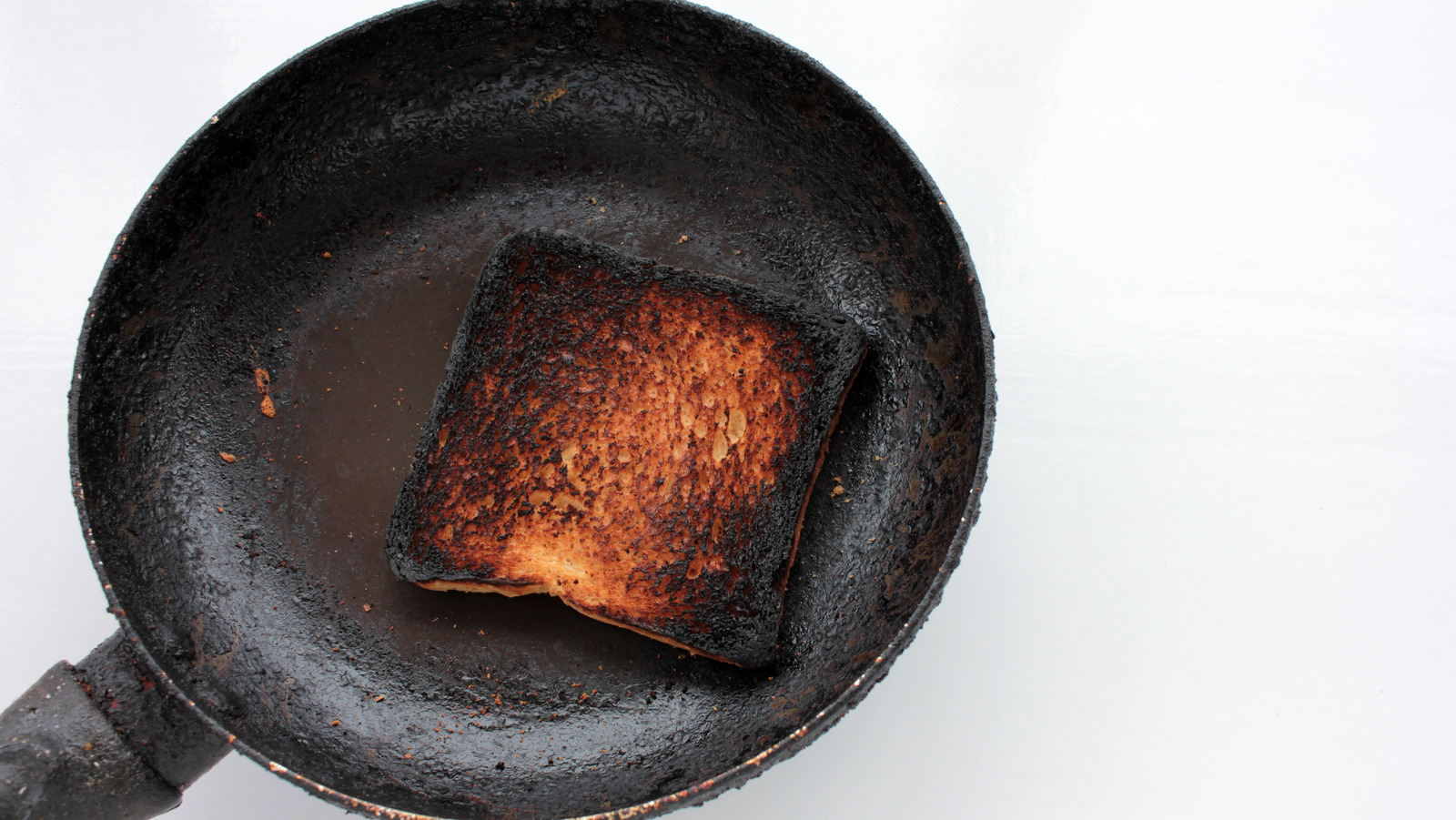
Seeing your zucchini plant, normally a picture of vibrant health, suddenly sporting burnt leaves is disheartening. It's like watching a friend fall ill. But don't despair! Diagnosing the cause is the first step to bringing your zucchini back to its former glory. Let's delve into the common culprits behind those scorched leaves and how to nurse your plant back to health.
Understanding Burnt Leaves on Your Zucchini Plant
Burnt leaves on a zucchini plant aren't just an aesthetic issue; they're a symptom of an underlying problem that, if left unchecked, can significantly impact the plant's health, fruit production, and even its survival. Understanding the different causes and their telltale signs is crucial for effective treatment.
Common Causes of Leaf Burn on Zucchini Plants
Several factors can contribute to burnt leaves on zucchini plants. It's essential to consider each possibility and examine your plant closely for clues.
Sun Scald
Just like us, plants can get sunburned! Sun scald occurs when the plant's leaves are exposed to intense, direct sunlight, especially after being shaded or when environmental conditions suddenly change. This is especially true for young plants whose leaves haven't fully hardened off. The exposed leaf tissue becomes damaged, resulting in a bleached, papery appearance that often resembles a burn. The leaves most affected are usually the topmost, youngest ones facing the sun.
Think of it this way: imagine moving from a dimly lit room into bright sunshine without sunglasses. The sudden intensity can be overwhelming. Zucchini leaves react similarly. To prevent sun scald, gradually acclimate young plants to sunlight before transplanting them outdoors. You can also use shade cloth during the hottest part of the day to protect vulnerable leaves.
Fungal Diseases
Fungal diseases are a frequent cause of problems in zucchini plants, with several being particularly nasty to the leaves. Here are some common offenders:
- Powdery Mildew: This is perhaps the most common fungal disease affecting zucchini. It appears as a white or grayish powdery coating on the leaves, stems, and even fruit. While it doesn't directly "burn" the leaves initially, severe infections can weaken the plant, making it more susceptible to sun scald and other stressors. Over time, affected leaves may turn yellow or brown and become brittle, resembling burns.
- Downy Mildew: Downy mildew presents differently than powdery mildew. It often starts as yellow spots on the upper surface of the leaves, with a corresponding grayish or purplish mold on the underside. As the disease progresses, these spots can merge and cause large areas of the leaf to turn brown and die, looking very much like burns. Unlike powdery mildew, downy mildew thrives in cool, humid conditions.
- Anthracnose: This fungal disease causes small, circular lesions on the leaves, stems, and fruit. These lesions may be tan, brown, or black, and they often have a sunken appearance. As the disease advances, the lesions can coalesce and cause large areas of the leaf to die. Anthracnose favors warm, humid weather.
The key to managing fungal diseases is prevention. Ensure good air circulation around your plants by spacing them properly. Avoid overhead watering, which can create a humid environment that encourages fungal growth. Remove and destroy any infected leaves promptly. Fungicides can be used as a preventative or treatment, but it's essential to choose one specifically formulated for the disease you're targeting and follow the instructions carefully.
Bacterial Infections
While less common than fungal diseases, bacterial infections can also cause leaf burn on zucchini plants. One notable culprit is bacterial leaf spot. This disease is characterized by small, water-soaked spots on the leaves that eventually turn brown or black. The spots may be surrounded by a yellow halo. In severe cases, the spots can merge and cause large areas of the leaf to die. Bacterial infections are often spread by insects, splashing water, or contaminated tools.
Pest Infestations
Certain pests can cause damage to zucchini leaves that mimics burns. For example, squash bugs and vine borers, while primarily attacking the stem, can weaken the plant, causing leaves to become stressed and more vulnerable to sun scald. Additionally, heavy infestations of aphids or spider mites can suck the sap from the leaves, leading to discoloration, stunted growth, and, eventually, leaf burn. Regularly inspect your plants for pests and take appropriate action to control them.
Nutrient Deficiencies
A lack of essential nutrients can also manifest as burnt leaves. Deficiencies in potassium, magnesium, or calcium can disrupt the plant's physiological processes, leading to tissue damage. Potassium deficiency, for example, often causes yellowing and browning along the edges of the leaves, which can resemble burns. Conduct a soil test to determine if your soil is deficient in any nutrients and amend it accordingly. Remember, providing your plants with a balanced diet is crucial for their overall health and resilience.
Herbicide Damage
Herbicide drift from nearby applications can severely damage zucchini plants, causing distorted growth and burnt leaves. Even small amounts of herbicide can have a significant impact. Be extremely cautious when using herbicides near your zucchini patch. Protect your plants with physical barriers or choose herbicides that are less likely to drift.
Diagnosing the Problem: A Step-by-Step Approach
Identifying the cause of burnt leaves requires careful observation and detective work. Here's a systematic approach:
- Examine the Pattern: Are the burns on all the leaves, or only on those facing the sun? Are they concentrated on the older leaves or the newer ones?
- Look for Other Symptoms: Are there any spots, lesions, or powdery coatings on the leaves? Are there any signs of pests, such as webbing or insect activity?
- Consider the Environmental Conditions: Has there been a recent heatwave or a period of prolonged humidity? Have you recently applied any herbicides or pesticides?
- Check the Soil: Is the soil well-draining? Is it compacted? Have you recently fertilized? Consider performing a soil test to determine if there are any nutrient deficiencies.
By carefully analyzing these factors, you can narrow down the possible causes and implement the appropriate treatment.
Treating Burnt Leaves on Zucchini Plants and Prevention
Once you've identified the cause of the burnt leaves, it's time to take action. The specific treatment will depend on the underlying problem, but here are some general guidelines:
- For Sun Scald: Provide shade during the hottest part of the day. You can use shade cloth or even a temporary structure made from stakes and fabric. Water the plant regularly to help it recover from the stress.
- For Fungal Diseases: Remove and destroy any infected leaves. Apply a fungicide according to the manufacturer's instructions. Ensure good air circulation around the plants.
- For Bacterial Infections: Remove and destroy any infected leaves. Avoid overhead watering. Apply a copper-based fungicide.
- For Pest Infestations: Identify the pest and use an appropriate insecticide or other control method. You can use insecticidal soap, neem oil, or beneficial insects.
- For Nutrient Deficiencies: Amend the soil with the appropriate nutrients. You can use compost, manure, or a balanced fertilizer.
- For Herbicide Damage: There's unfortunately no easy fix for herbicide damage. Focus on providing the plant with optimal growing conditions to help it recover. Water regularly and fertilize with a balanced fertilizer.
Prevention is always better than cure. Here are some tips for preventing burnt leaves on zucchini plants:
- Choose disease-resistant varieties.
- Provide well-draining soil.
- Water deeply but infrequently.
- Mulch around the plants to retain moisture and suppress weeds.
- Fertilize regularly with a balanced fertilizer.
- Inspect your plants regularly for pests and diseases.
- Practice crop rotation.
You'll need sharp and precise tools to remove damaged leaves and promote healthier growth in your zucchini plants. For optimal pruning, consider usingFiskars Bypass Pruners. These garden clippersoffer a clean cut, minimizing stress on the plant and preventing the spread of disease. You can find these gardening scissors with a sharp, rust-resistant steel bladehere: https://amzn.to/4i LKbs8. Having high-quality pruning shears*can make all the difference in your garden!
By taking these steps, you can help your zucchini plant recover from burnt leaves and get back to producing a bountiful harvest. Remember, gardening is a journey of learning and experimentation. Don't be afraid to try different approaches and find what works best for you and your plants.