Have you ever looked at your zucchini plant, overflowing with summer squash, and wondered if you could use more than just the fruit? You might be surprised to learn that there's a lesser-known edible part: the stalk! Yes, that sturdy stem supporting your prolific zucchini can be a delicious addition to your kitchen creations, reducing waste and adding a unique flavor to your meals. Exploring the Edibility of Zucchini Plant Stalk Many gardeners are familiar with the delight of harvesting fresh zucchini, but few consider the potential of the zucchini plant stalk. Understanding the nutritional value, preparation techniques, and safety considerations surrounding zucchini stalks can unlock a whole new culinary dimension for your garden bounty. So, is the zucchini stalk edible? The short answer is yes, but with a few important caveats. We need to consider the age of the plant and potential bitterness. Mature zucchini stalks, especially those from older plants,...
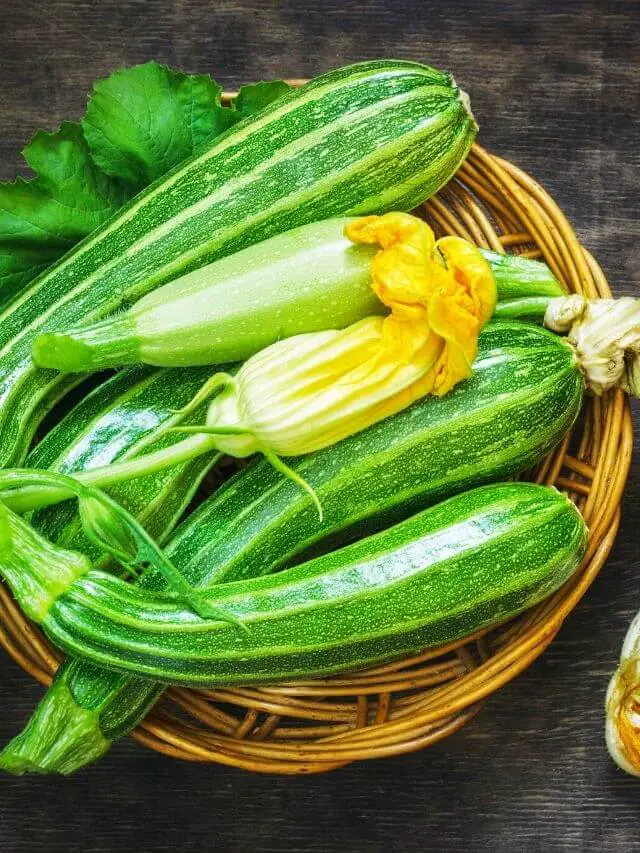
Dreaming of a zucchini patch that comes back year after year without any replanting? Imagine the sheer convenience! Well, let's dig into the world of zucchini and see if that dream can become a reality. The answer to whether zucchini plants are perennial might surprise you, and understanding the nuances can help you plan your garden for success.
Are Zucchini Plants Perennial? Understanding the Zucchini Life Cycle
The short answer, unfortunately, is no.Zucchini plants are not perennial. They are classified as annuals, meaning they complete their life cycle in a single growing season. This includes germination, growth, flowering, fruiting, and eventually, death. Even if you live in a warm climate, zucchini won't typically survive the winter to produce again next year.
Why Zucchini Plants are Annuals
Several factors contribute to zucchini's annual nature. These factors are genetic and environmental, causing the zucchini to thrive in one season but not year-round. Understanding these reasons can help gardeners better manage their zucchini crops and optimize yields during the growing season. A few of the primary reasons for zucchini plants being annuals include:
- Sensitivity to Cold: Zucchini plants are highly susceptible to frost and cold temperatures. Even a light frost can severely damage or kill the plant. The cells within the plant freeze and rupture, preventing it from transporting water and nutrients.
- Genetic Programming: Zucchini's genetic makeup programs it to focus all its energy on producing fruit within a single season. Once it has completed this process, it naturally declines and dies.
- Vulnerability to Pests and Diseases: Over the course of a growing season, zucchini plants can become increasingly vulnerable to pests like squash bugs and squash vine borers, as well as diseases such as powdery mildew. These infestations and infections can weaken the plant, making it unable to survive over winter.
- Nutrient Depletion: Producing a large number of zucchinis requires a significant amount of nutrients from the soil. Over the growing season, the plant depletes these nutrients, leaving it weakened and unable to store enough energy to survive dormancy.
Exploring the Concept of Perennial Vegetables
While zucchini itself is an annual, the idea of perennial vegetables is quite appealing. Perennial vegetables are those that live for more than two years, regrowing each spring from their roots, crowns, or other underground parts. Examples include asparagus, rhubarb, and some types of kale. The benefit is obvious: less work each year as you don't have to replant!
The following is a list of perennial vegetable for gardeners to plan for:
- Asparagus
- Rhubarb
- Artichokes
- Egyptian Walking Onions
- Kale
- Lovage
- Sea Kale
- Sorrel
Can You Trick Zucchini into Acting Like a Perennial?
While you can't truly make a zucchini plant perennial, there are a few strategies you can try to extend its life and potentially get a small "second harvest." However, keep in mind that these are not guaranteed to work and are more about extending the plant's existing life than achieving true perenniality.
- Protection from Frost: If you live in an area with mild winters, you can try protecting your zucchini plant from frost using row covers, blankets, or even a makeshift greenhouse. This might allow it to survive a light frost and continue producing for a short time.
- Succession Planting: A more reliable method is succession planting. Plant new zucchini seeds every few weeks to ensure a continuous harvest throughout the growing season. This way, you always have young, productive plants coming up as older ones begin to decline.
- Saving Seeds: While you won't get the exact same plant back, you can save seeds from your best-performing zucchini plants and replant them the following year. This allows you to select for traits like disease resistance and high yields.
What About Zucchini's Relatives? Are They Perennial?
Zucchini belongs to the Cucurbitagenus, which also includes pumpkins, squash, and gourds. While most of these are also annuals, there are a few exceptions and related species that can behave like perennials, particularly in warmer climates. Consider the following:
- Chayote Squash (Sechium edule): This vining squash is a true perennial in warmer climates (zones 8-10). It produces pear-shaped fruits and can live for many years if protected from frost.
- Some Winter Squashes: While technically annuals, some winter squash varieties, like certain types of butternut squash, can sometimes survive mild winters and regrow from their roots in the spring. This is rare but can happen under the right conditions.
Even if zucchini itself isn't perennial, exploring its relatives can provide options for gardeners seeking long-lasting vegetable plants in their gardens.
Optimizing Zucchini Growth for a Bountiful Harvest
Since zucchini are annuals, maximizing their productivity during their single growing season is crucial. Here are some tips for a successful zucchini harvest:
- Soil Preparation: Zucchini plants need well-drained soil rich in organic matter. Amend your soil with compost or aged manure before planting.
- Sunlight: Zucchini requires at least 6-8 hours of sunlight per day.
- Watering: Water deeply and consistently, especially during hot, dry weather. Avoid overhead watering, which can lead to fungal diseases.
- Fertilizing: Fertilize regularly with a balanced fertilizer, especially during the fruiting stage.
- Pest and Disease Control: Monitor your plants regularly for pests and diseases and take action promptly.
- Harvesting: Harvest zucchini frequently when they are young and tender. This encourages the plant to produce more fruit.
A Case Study: Extending Zucchini Life in a Mild Climate
A gardener in coastal California, where winters are mild, shared their experience trying to extend their zucchini plants' life. They heavily mulched around the base of the plant and covered it with a frost blanket during the occasional cold snaps. While the plant didn't thrive like it did during the summer, it did manage to survive the winter and produced a small number of zucchinis in the early spring. However, the yield was significantly lower compared to planting a new plant, and the quality of the fruit wasn't as good. This highlights that while it's possible toextendthe life of a zucchini plant in mild climates, it's generally more productive to start fresh each year.
Although the question ofare zucchini plants perennialis a no, gardeners can still enjoy an abundance of zucchini by following the right planting and harvesting methods. While the plants are not perennial, it should not discourage you from harvesting an abundance of zucchinis every growing season. Additionally, don't forget the importance of having the right tools! To keep your zucchini plants healthy and productive, consider using a pair ofFiskars Bypass Pruning Shears for easy and precise trimming, or maybe even a pair of garden clippers with sharp, rust-resistant steel blades. You can find these excellentFiskars gardening scissors with sharp, rust resistant steel blade here: https://amzn.to/4i LKbs8.