Have you ever looked at your zucchini plant, overflowing with summer squash, and wondered if you could use more than just the fruit? You might be surprised to learn that there's a lesser-known edible part: the stalk! Yes, that sturdy stem supporting your prolific zucchini can be a delicious addition to your kitchen creations, reducing waste and adding a unique flavor to your meals. Exploring the Edibility of Zucchini Plant Stalk Many gardeners are familiar with the delight of harvesting fresh zucchini, but few consider the potential of the zucchini plant stalk. Understanding the nutritional value, preparation techniques, and safety considerations surrounding zucchini stalks can unlock a whole new culinary dimension for your garden bounty. So, is the zucchini stalk edible? The short answer is yes, but with a few important caveats. We need to consider the age of the plant and potential bitterness. Mature zucchini stalks, especially those from older plants,...
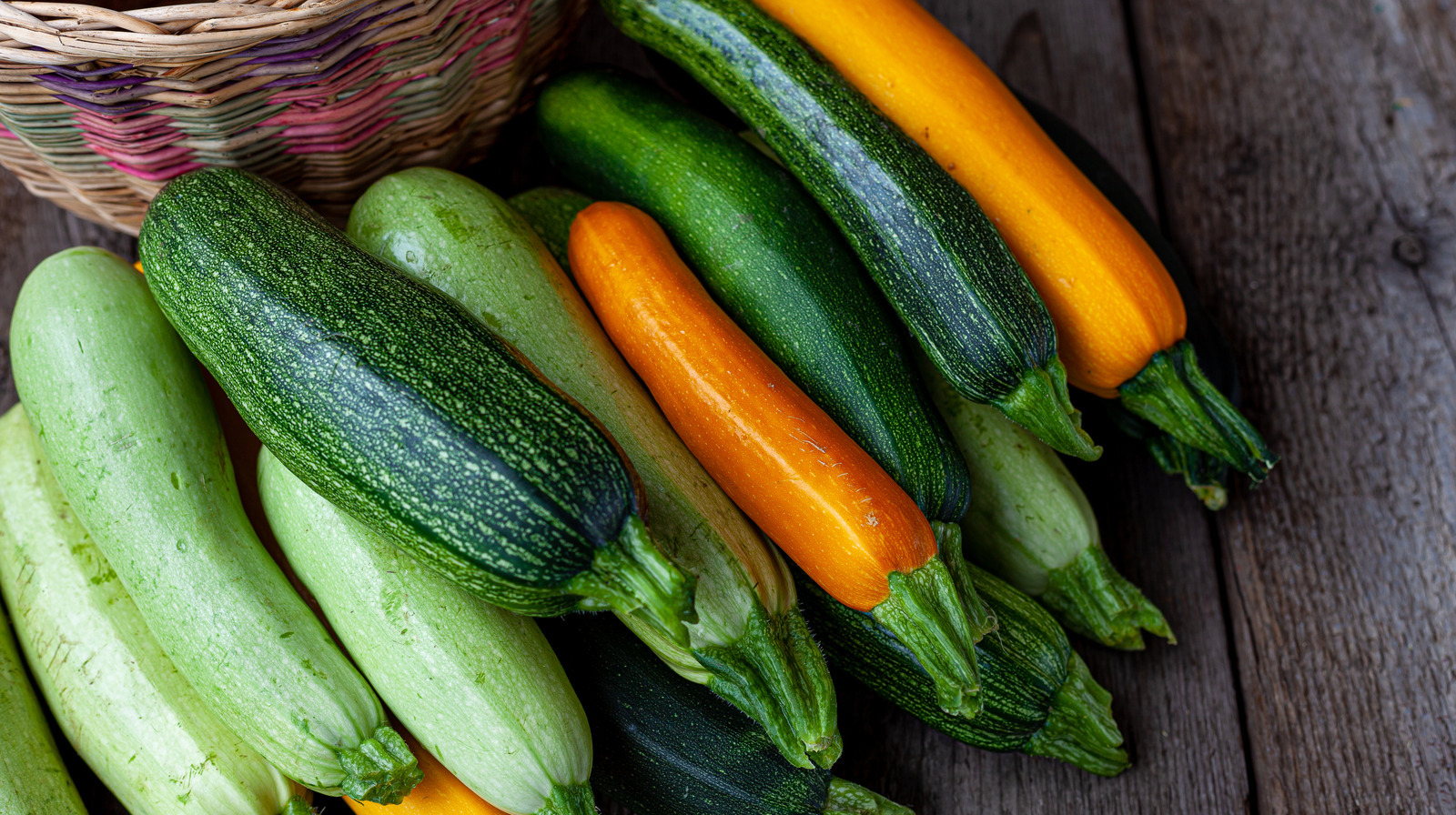
You’ve nurtured your zucchini plants, watched them sprout, and celebrated the arrival of those beautiful, sunny yellow flowers. But now you’re staring at a whole lot of blossoms and… no zucchini. Frustrating, right? You're not alone. Many gardeners experience this, and the good news is, understanding why your zucchini plants are flowering but not producing can help you troubleshoot and get those delicious green veggies growing.
Understanding Why Your Zucchini Plants Are Flowering But Not Producing Fruit
The phenomenon of zucchini plants flowering but not producing fruit, sometimes called blossom drop, is a common gardening challenge. It stems from a variety of factors, often related to pollination, plant health, or environmental conditions. To solve the issue of zucchini plants flowering but not bearing fruit, it's crucial to understand the life cycle of a zucchini plant and what it needs to thrive. Let's dive into some key areas to explore when your zucchini plants refuse to give you the zucchini you crave.
Pollination Problems: The Primary Culprit
Zucchini plants, like other squash, are monoecious, meaning they produce both male and female flowers on the same plant. However, they need pollination to occur for fruit to develop. This is usually done by insects, primarily bees. If pollination is inadequate, the female flower will wither and fall off, hence the "blossom drop."
- Identifying Male and Female Flowers: Male flowers grow on long, thin stems, while female flowers have a small, immature zucchini fruit (a tiny bulge) at the base of the flower.
- Insufficient Pollinators: A decline in bee populations, the use of pesticides, or even rainy weather that keeps pollinators away can all lead to poor pollination.
- Hand Pollination: If you suspect a lack of pollinators, you can hand-pollinate your zucchini plants. Use a small paintbrush or cotton swab to transfer pollen from the male flower's stamen to the female flower's stigma. Do this in the morning for best results, as that's when the pollen is most viable.
Case Study: The Backyard Beekeeper's Zucchini Success
One gardener in a suburban neighborhood struggled with zucchini production for years, despite having healthy-looking plants and plenty of flowers. After becoming a backyard beekeeper, the gardener noticed a significant increase in zucchini yield. The bees diligently pollinated the zucchini flowers, resulting in abundant fruit production. This illustrates the critical role pollinators play in zucchini development.
Environmental Stressors Impacting Zucchini Production
Even with successful pollination, environmental stressors can prevent zucchini plants from producing fruit. These stressors can affect the plant's overall health and ability to support fruit development.
- Temperature Fluctuations: Extreme heat or cold can negatively impact zucchini flower development and pollination. High temperatures can also cause the flowers to drop prematurely.
- Water Stress: Inconsistent watering, whether overwatering or underwatering, can stress the plant and hinder fruit production. Zucchini plants need consistent moisture, especially during flowering and fruiting.
- Nutrient Deficiencies: A lack of essential nutrients, particularly phosphorus and potassium, can limit fruit production. Soil testing can help identify nutrient deficiencies and guide fertilization.
Quote: From a Master Gardener
"Zucchini plants are heavy feeders and require adequate nutrition to support their rapid growth and fruit production. Ensure your soil is rich in organic matter and consider supplementing with a balanced fertilizer to promote healthy growth and abundant yields." - Martha S., Master Gardener
Plant Health and Disease Prevention for Zucchini
The overall health of your zucchini plant directly impacts its ability to produce fruit. A healthy plant is more resilient to environmental stressors and better able to support fruit development. Disease and pests weaken the plant and steal its energy, diverting it from fruit production.
- Pests: Squash bugs, squash vine borers, and aphids can weaken zucchini plants, making them less productive. Regularly inspect your plants for pests and take appropriate action, such as using insecticidal soap or hand-picking pests off the plants.
- Diseases: Powdery mildew, a fungal disease, can affect zucchini plants, especially in humid conditions. Proper spacing, good air circulation, and fungicides can help prevent and treat powdery mildew.
- Proper Pruning: Pruning can help improve air circulation and sunlight penetration, reducing the risk of disease. It can also encourage the plant to focus its energy on fruit production. When pruning, use sharp, clean gardening shears like the Fiskars Bypass Pruning Shears, offering a clean, 5/8-inch cut. You can find them on Amazon at https://amzn.to/4i LKbs8.
Troubleshooting: What to Do When Zucchini Plants Flower But Don't Produce
Now that you understand the potential causes, let's look at specific steps you can take to address the issue of zucchini plants flowering but not producing.
Improving Pollination
Addressing pollination problems is often the first step in solving the issue. Start by attracting more pollinators to your garden.
- Plant Pollinator-Attracting Flowers: Plant flowers that attract bees, butterflies, and other pollinators near your zucchini plants. Examples include lavender, borage, sunflowers, and zinnias.
- Avoid Pesticides: Minimize or eliminate the use of pesticides, especially during flowering, to protect pollinators. If you must use pesticides, apply them in the evening when pollinators are less active.
- Hand Pollination: As mentioned earlier, hand pollination can be a reliable solution. Do this every morning for best results.
Optimizing Environmental Conditions
Creating the right environmental conditions will improve the plant's overall health and its ability to produce fruit.
- Watering: Water deeply and consistently, especially during hot, dry weather. Avoid overhead watering, which can promote fungal diseases. Aim to water at the base of the plant.
- Fertilizing: Use a balanced fertilizer specifically formulated for vegetables. Follow the instructions on the fertilizer package and avoid over-fertilizing.
- Mulching: Apply a layer of mulch around the base of the plants to help retain moisture, suppress weeds, and regulate soil temperature.
Maintaining Plant Health
Healthy plants are more resistant to pests and diseases and are better able to produce fruit. Regular inspection and preventative measures are key.
- Pest Control: Regularly inspect your plants for pests and take action promptly. Use insecticidal soap, horticultural oil, or other organic pest control methods.
- Disease Prevention: Choose disease-resistant varieties of zucchini plants. Ensure good air circulation by spacing plants appropriately and pruning excess foliage. Apply fungicides as needed.
- Soil Health: Amend your soil with compost or other organic matter to improve drainage and fertility. Conduct a soil test to determine any nutrient deficiencies and amend accordingly.
Conclusion: Persistence Pays Off with Zucchini Production
Seeing your zucchini plants flowering but not producing fruit can be disheartening, but don't give up! By understanding the potential causes, implementing the solutions outlined above, and remaining patient, you can often overcome this challenge and enjoy a bountiful harvest of delicious zucchini. Remember to pay close attention to pollination, environmental conditions, and plant health to give your zucchini plants the best chance of success. With a little effort and attention, you'll be enjoying fresh zucchini in no time!