Have you ever looked at your zucchini plant, overflowing with summer squash, and wondered if you could use more than just the fruit? You might be surprised to learn that there's a lesser-known edible part: the stalk! Yes, that sturdy stem supporting your prolific zucchini can be a delicious addition to your kitchen creations, reducing waste and adding a unique flavor to your meals. Exploring the Edibility of Zucchini Plant Stalk Many gardeners are familiar with the delight of harvesting fresh zucchini, but few consider the potential of the zucchini plant stalk. Understanding the nutritional value, preparation techniques, and safety considerations surrounding zucchini stalks can unlock a whole new culinary dimension for your garden bounty. So, is the zucchini stalk edible? The short answer is yes, but with a few important caveats. We need to consider the age of the plant and potential bitterness. Mature zucchini stalks, especially those from older plants,...
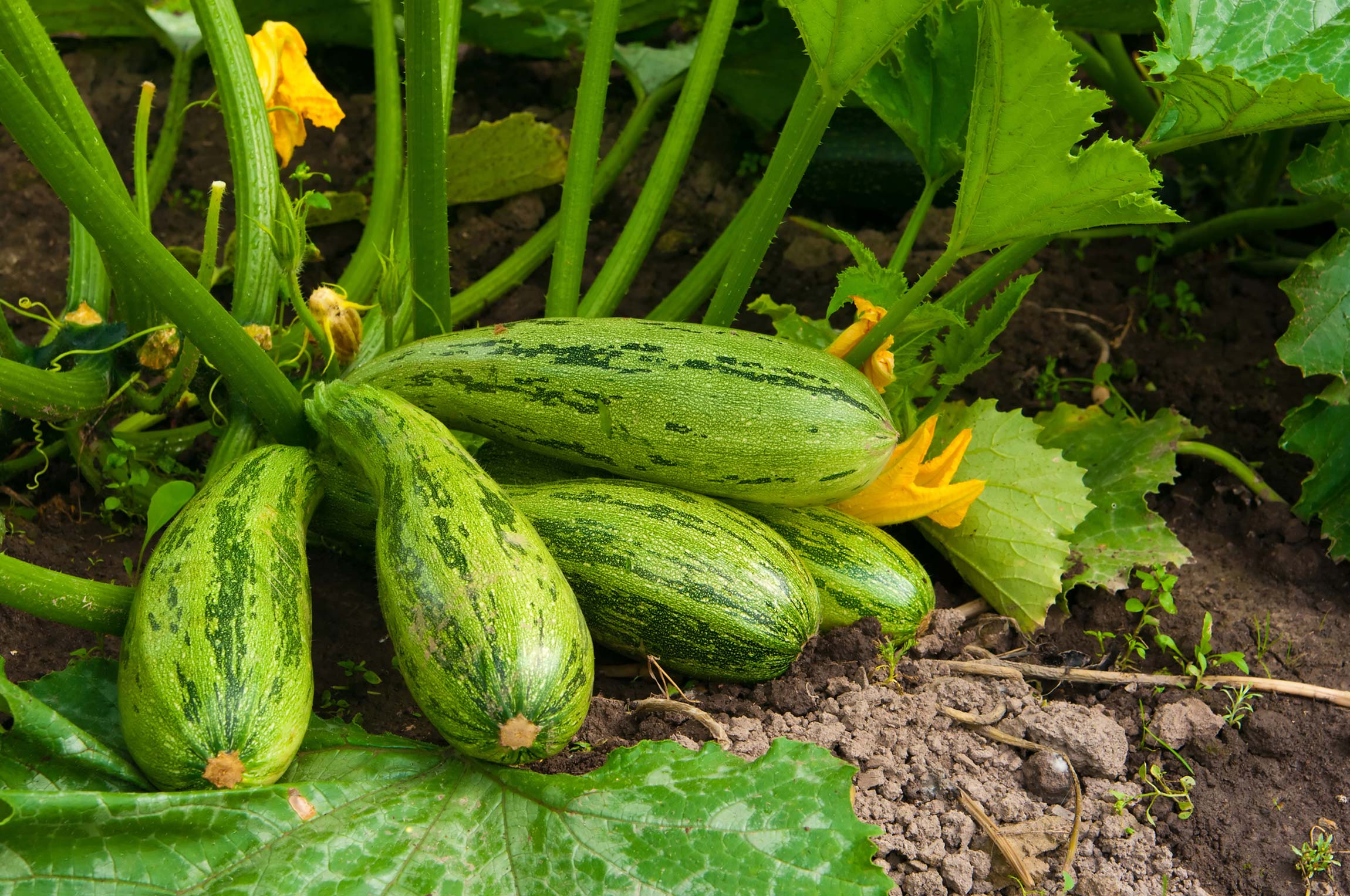
Ever wandered into your garden, eager to harvest plump, juicy zucchinis, only to be greeted by a frustrating sight: a zucchini plant bursting with bright yellow flowers, but not a single zucchini in sight? You're not alone! Many gardeners encounter the perplexing problem of a zucchini plant producing only male flowers. It can be disheartening, but understanding the reasons behind this floral phenomenon is the first step towards a bountiful harvest.
Why is My Zucchini Plant Producing Only Male Flowers?
Seeing abundant yellow blossoms without any fruit forming on your zucchini plant can be confusing and concerning. Before you give up hope, let's explore the common reasons behind the mystery of a zucchini plant producing only male flowers.
Understanding Zucchini Flower Anatomy
To tackle the "male flower only" issue, it's helpful to understand the basics of zucchini flower anatomy. Zucchini plants, like other members of the cucurbit family (cucumbers, pumpkins, and squash), are monoecious. This means they produce both male and female flowers on the same plant. Distinguishing between the two is key to understanding the problem. Male flowers appear on long, thin stems. Female flowers, on the other hand, have a small, immature fruit (a tiny zucchini) at the base of the flower, between the bloom and the stem. The male flower's job is simply to provide pollen to fertilize the female flower, which then develops into the zucchini. If you only see flowers on long stems, or flowers without any immature fruit behind them, you are, in fact, dealing with a zucchini plant producing only male flowers.
Common Causes of a Zucchini Plant Producing Only Male Flowers
Several factors can contribute to an abundance of male flowers at the expense of female flowers. Let's delve into the most likely culprits:
1. Plant Maturity and Early Season Bloom
Often, the first flowers that appear on a young zucchini plant are primarily male. This is a natural phase in the plant's development. The plant is essentially setting up the infrastructure for pollination before it dedicates energy to fruit production. Think of it as the plant building the "supply chain" before it starts manufacturing the product. Usually, after a week or two, the plant will begin producing female flowers as well. Patience is key during this early stage. Don't be too quick to despair if you're seeing a zucchini plant with only male flowers early in the season.
2. Environmental Stress
Zucchini plants are sensitive to environmental conditions, and stress can disrupt the balance of male and female flower production. Common stressors include:
- Temperature fluctuations: Sudden drops in temperature, especially during the flowering period, can inhibit female flower development. Zucchini plants thrive in warm weather.
- Inadequate sunlight: Zucchini plants need at least 6-8 hours of direct sunlight per day. Insufficient sunlight can weaken the plant and reduce female flower production.
- Water stress: Both overwatering and underwatering can negatively impact flower development. Zucchini plants need consistent moisture, but avoid soggy soil.
- Nutrient deficiencies: A lack of essential nutrients, particularly phosphorus and potassium, can hinder female flower production.
These environmental stressors can cause the plant to prioritize survival, and therefore put its energy into male flower production only to ensure pollination even under unfavorable conditions.
3. Improper Watering
As mentioned above, watering plays a critical role in the healthy development of a zucchini plant. It's important to water deeply and regularly, especially during dry spells. Aim for consistently moist (but not waterlogged) soil. Mulching around the base of the plant can help retain moisture and regulate soil temperature. Avoid overhead watering, which can promote fungal diseases. A lack of consistent and proper watering of your zucchini plant can cause the production of mostly or all male flowers on your zucchini plant.
4. Nutrient Imbalance
A nutrient imbalance in the soil can also lead to a zucchini plant producing only male flowers. Too much nitrogen, for example, can encourage excessive vegetative growth (lots of leaves) at the expense of flower production. Conversely, a deficiency in phosphorus or potassium can hinder female flower development. A soil test can help you determine the nutrient levels in your garden and guide you in selecting the appropriate fertilizer. Consider using a fertilizer specifically formulated for vegetables, with a balanced NPK ratio (nitrogen, phosphorus, potassium).
Consider adding bone meal to your garden beds, as it is a great source of phosphorus, which can promote female flower production. You can also add potassium through sources like wood ash, but be careful not to overdo it.
5. Plant Variety
Some zucchini varieties are simply more prone to producing a higher proportion of male flowers, especially early in the season. Researching the specific variety you're growing can give you a better understanding of its growth habits and potential challenges. Consider planting multiple zucchini plants of different varieties to increase your chances of a balanced flower production.
How to Encourage Female Flower Production
Now that we've identified the potential causes, let's explore strategies to encourage female flower production on your zucchini plant.
1. Ensure Optimal Growing Conditions
Providing the best possible growing conditions is crucial for a healthy and productive zucchini plant. This includes:
- Adequate Sunlight: Ensure your zucchini plant receives at least 6-8 hours of direct sunlight each day. If sunlight is limited, consider transplanting the plant to a sunnier location or using supplemental grow lights.
- Proper Watering: Water deeply and regularly, keeping the soil consistently moist but not waterlogged. Use a soaker hose or drip irrigation to deliver water directly to the roots.
- Balanced Fertilization: Fertilize your zucchini plant with a balanced fertilizer according to package directions. Avoid over-fertilizing with nitrogen.
- Temperature Control: Protect your zucchini plant from extreme temperature fluctuations. Use row covers or cloches to shield the plant from frost or excessive heat.
2. Hand Pollination
If you're seeing plenty of male flowers but few female flowers, you can try hand-pollinating the female flowers. This involves transferring pollen from the male flower to the female flower using a small brush or cotton swab. Hand pollination can be particularly helpful during periods of low pollinator activity or when environmental conditions are unfavorable for pollination. To hand pollinate, simply:
- Identify a freshly opened male flower and a freshly opened female flower.
- Gently remove the petals from the male flower to expose the stamen (the pollen-bearing part).
- Use a small brush or cotton swab to collect pollen from the stamen.
- Gently transfer the pollen to the stigma (the receptive part) of the female flower.
It's best to hand-pollinate early in the morning, when the pollen is most viable. Use theFiskars Bypass Pruning Shears to carefully harvest the male flowers without damaging the plant. These gardening clippers, with their sharp and rust-resistant steel blade, are perfect for delicate pruning tasks around the garden. You can find them here:
3. Pruning (With Caution)
While pruning isn't typically recommended for zucchini plants, selectively removing some of the larger leaves can improve air circulation and sunlight penetration, potentially encouraging female flower production. However, be cautious not to over-prune, as this can stress the plant and reduce its overall vigor. Only remove leaves that are significantly shading other parts of the plant or showing signs of disease.
4. Patience and Observation
In many cases, the issue of a zucchini plant producing only male flowers resolves itself as the plant matures and environmental conditions improve. Be patient, continue to provide optimal care, and observe the plant closely. Monitor the weather, adjust your watering and fertilization practices as needed, and hand-pollinate if necessary. With a little time and attention, you'll likely be rewarded with a bountiful harvest of delicious zucchinis.
Conclusion
The sight of a zucchini plant producing only male flowers can be frustrating, but it's rarely a cause for panic. By understanding the underlying causes and implementing the strategies outlined above, you can encourage female flower production and enjoy a plentiful harvest. Remember to be patient, observant, and adaptable, and you'll be well on your way to zucchini success!