Have you ever looked at your zucchini plant, overflowing with summer squash, and wondered if you could use more than just the fruit? You might be surprised to learn that there's a lesser-known edible part: the stalk! Yes, that sturdy stem supporting your prolific zucchini can be a delicious addition to your kitchen creations, reducing waste and adding a unique flavor to your meals. Exploring the Edibility of Zucchini Plant Stalk Many gardeners are familiar with the delight of harvesting fresh zucchini, but few consider the potential of the zucchini plant stalk. Understanding the nutritional value, preparation techniques, and safety considerations surrounding zucchini stalks can unlock a whole new culinary dimension for your garden bounty. So, is the zucchini stalk edible? The short answer is yes, but with a few important caveats. We need to consider the age of the plant and potential bitterness. Mature zucchini stalks, especially those from older plants,...
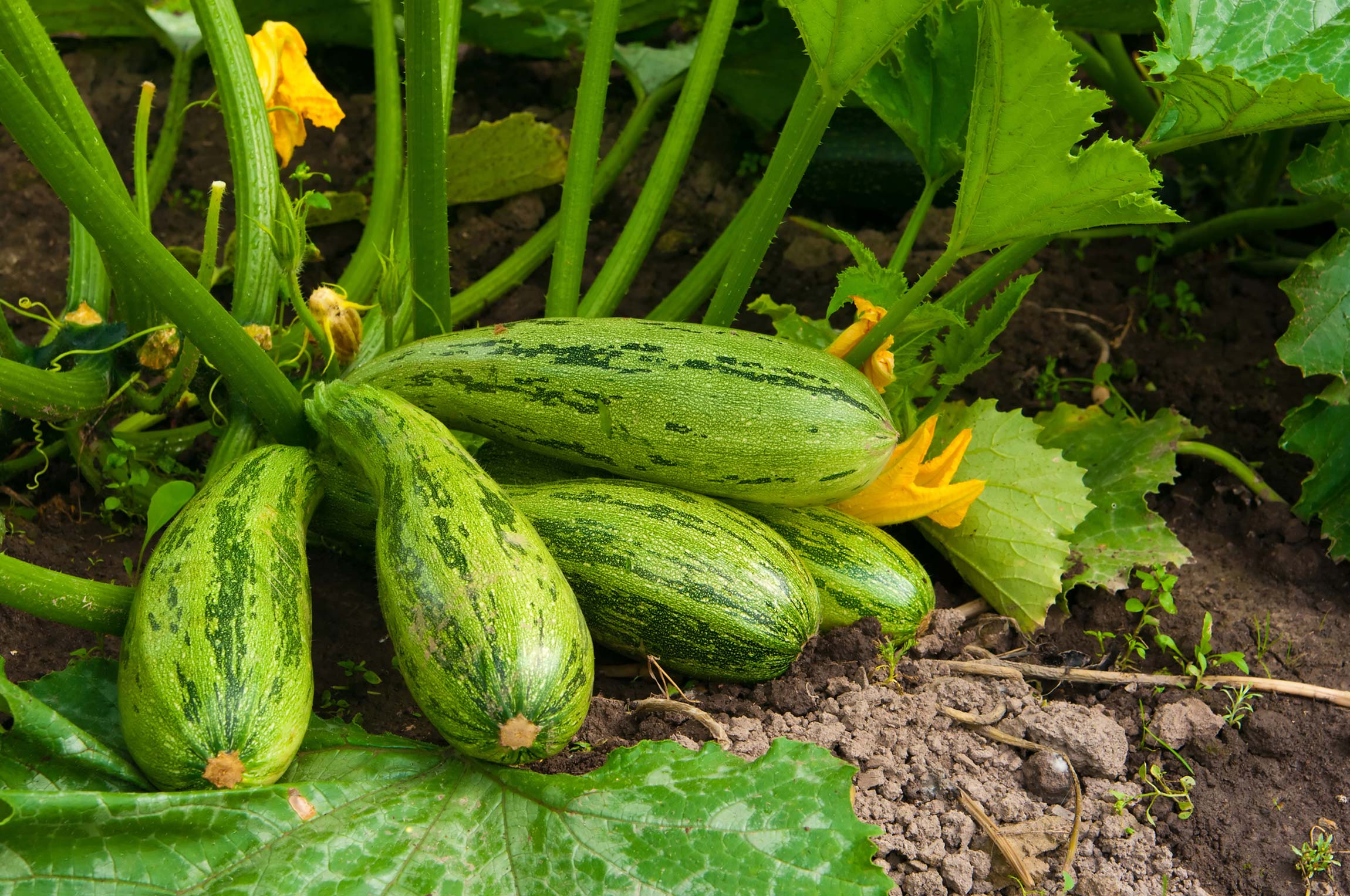
Ever dreamt of a summer overflowing with fresh zucchini, ready for grilling, baking, or even sneaking into your favorite chocolate cake? The journey from a tiny seed (or seedling) to a bountiful harvest is surprisingly rewarding, even for beginners. But which path is the right one for you: starting zucchini from seed or opting for a pre-grown plant? Let's delve into the pros and cons of each approach and get you on your way to zucchini success!
Zucchini From Seed: A Beginner's Guide
Growing zucchini from seed offers a level of control and satisfaction that's hard to beat. You get to witness the entire life cycle of the plant, from the first sprout to the mature fruit. Plus, it's generally more economical, especially if you're planning a larger zucchini patch. Let's explore the nitty-gritty details.
When to Start Zucchini Seeds
Timing is crucial when starting zucchini from seed. Zucchini is a warm-weather crop and is highly susceptible to frost damage. Therefore, it's best to start seeds indoors about 3-4 weeks before the last expected frost date in your area. If you're in a region with a long growing season, you can also direct sow the seeds into the garden soil once the soil temperature reaches at least 60°F (15°C).
Consider your local climate and weather patterns when determining the ideal planting time. Consult your local agricultural extension office for specific recommendations tailored to your region. Waiting until the soil is warm enough is critical for proper germination and healthy growth. Starting too early indoors can lead to leggy, weak seedlings that struggle when transplanted.
How to Sow Zucchini Seeds
Here's a step-by-step guide to sowing zucchini seeds:
- Choose your seed-starting medium: Use a well-draining seed-starting mix. Avoid garden soil, as it can be too heavy and may contain pathogens.
- Select your containers: Opt for individual pots or seed trays with ample drainage holes. Biodegradable pots can be directly planted in the garden, minimizing transplant shock.
- Sow the seeds: Plant seeds about 1 inch deep. Sow 2-3 seeds per pot to increase the chances of germination.
- Provide warmth and moisture: Keep the soil consistently moist but not waterlogged. Use a spray bottle to gently mist the soil surface. A heat mat can help maintain optimal soil temperature (70-80°F/21-27°C) for germination.
- Ensure adequate light: Once the seedlings emerge, provide them with plenty of light. A sunny windowsill might suffice, but supplemental grow lights are often necessary for strong, healthy growth.
Transplanting Zucchini Seedlings
Once the danger of frost has passed and the soil has warmed up, it's time to transplant your zucchini seedlings into the garden. Harden off the seedlings by gradually exposing them to outdoor conditions for a week or two before transplanting. This process helps them adjust to the sun, wind, and temperature changes.
Here's how to transplant zucchini seedlings:
- Prepare the planting site: Choose a sunny location with well-drained soil. Amend the soil with compost or other organic matter to improve its fertility and drainage. Zucchini plants need plenty of space, so space them 2-3 feet apart.
- Dig the planting holes: Dig holes slightly larger than the root balls of the seedlings.
- Carefully remove the seedlings from their containers: Gently loosen the roots if they are circling the bottom of the pot.
- Place the seedlings in the holes: Make sure the top of the root ball is level with the surrounding soil.
- Backfill the holes: Gently fill the holes with soil and firm it around the base of the plants.
- Water thoroughly: Water the seedlings well to help them settle in.
Zucchini From Plant: The Quick Start
Buying zucchini plants (seedlings) from a nursery or garden center offers a head start on the growing season. It's a convenient option for gardeners with limited time or those who want to skip the seed-starting process altogether. While it can be a bit more expensive than starting from seed, it can also be a more reliable option, especially for beginner gardeners. Let's break down the advantages and things to consider.
Choosing Healthy Zucchini Plants
Selecting healthy zucchini plants is essential for a successful harvest. Here are some key things to look for:
- Healthy foliage: The leaves should be vibrant green and free from spots, blemishes, or signs of insect damage. Avoid plants with yellowing or wilting leaves.
- Sturdy stems: The stems should be strong and upright, not spindly or weak.
- Well-developed root system: Check the bottom of the pot for roots emerging from the drainage holes. This indicates a healthy, established root system.
- No signs of pests or diseases: Inspect the plants carefully for aphids, whiteflies, or other pests. Also, look for signs of diseases, such as powdery mildew or squash vine borers.
- Appropriate size: Choose plants that are a reasonable size for their container. Overgrown plants may be root-bound and struggle to establish themselves in the garden.
Consider buying from reputable nurseries or garden centers that offer healthy, well-cared-for plants. Don't be afraid to ask questions about the plants' growing conditions and any potential issues.
Planting Zucchini Seedlings
Planting zucchini seedlings is similar to transplanting those you've grown from seed. The key is to minimize transplant shock and provide the plants with optimal growing conditions.
- Prepare the planting site: Choose a sunny location with well-drained soil. Amend the soil with compost or other organic matter to improve its fertility and drainage. Zucchini plants need plenty of space, so space them 2-3 feet apart.
- Dig the planting holes: Dig holes slightly larger than the root balls of the seedlings.
- Carefully remove the seedlings from their containers: Gently loosen the roots if they are circling the bottom of the pot.
- Place the seedlings in the holes: Make sure the top of the root ball is level with the surrounding soil.
- Backfill the holes: Gently fill the holes with soil and firm it around the base of the plants.
- Water thoroughly: Water the seedlings well to help them settle in.
Consider adding a layer of mulch around the plants to help retain moisture, suppress weeds, and regulate soil temperature.
Zucchini Growing Tips for Success
Whether you start from seed or plant, here are some essential tips for growing healthy and productive zucchini plants:
- Sunlight: Zucchini plants need at least 6-8 hours of sunlight per day.
- Watering: Water deeply and regularly, especially during hot, dry weather. Avoid overhead watering, as it can promote fungal diseases.
- Fertilizing: Feed your zucchini plants with a balanced fertilizer every few weeks.
- Pest and disease control: Monitor your plants regularly for pests and diseases. Take action promptly to prevent problems from escalating.
- Pollination: Zucchini plants require pollination to produce fruit. If you're not seeing fruit development, you may need to hand-pollinate the flowers.
- Harvesting: Harvest zucchini fruits when they are young and tender, typically 6-8 inches long. Regular harvesting encourages continued production.
Common Zucchini Problems and Solutions
Even with the best care, zucchini plants can sometimes encounter problems. Here are some common issues and how to address them:
- Powdery mildew: A fungal disease that causes a white, powdery coating on the leaves. Improve air circulation, avoid overhead watering, and apply a fungicide if necessary.
- Squash vine borers: Pests that tunnel into the stems of zucchini plants, causing them to wilt and die. Wrap the base of the stems with aluminum foil or row covers to prevent the borers from entering. You can also inject Bacillus thuringiensis (Bt) into the stems to kill the borers.
- Aphids: Small, sap-sucking insects that can weaken zucchini plants. Wash them off with a strong stream of water or use insecticidal soap.
- Blossom-end rot: A condition caused by calcium deficiency, resulting in dark, sunken spots on the blossom end of the fruits. Ensure adequate calcium in the soil and consistent watering.
By being proactive and addressing problems early, you can keep your zucchini plants healthy and productive throughout the growing season.
Zucchini Varieties to Consider
There's a zucchini variety for every garden! Here are a few popular choices:
- Black Beauty: A classic, dark-green zucchini with excellent flavor.
- Costata Romanesco: An Italian heirloom variety with distinctive ridges and a nutty flavor.
- Golden Zucchini: A bright-yellow zucchini with a mild, sweet flavor.
- Eight Ball: A round zucchini that's perfect for stuffing.
- Patty Pan: A scalloped-edged summer squash that comes in a variety of colors.
Experiment with different varieties to find your favorites! Consider factors like flavor, size, shape, and disease resistance when making your selections.
Speaking of good tools, nothing beats having the right equipment in your garden. For maintaining your zucchini plants and harvesting your bounty, consider investing in a pair of Fiskars Bypass Pruning Shears, gardening shears renowned for their sharp, rust-resistant steel blades, perfect for precise cuts. You can find these handy garden clippers here: https://amzn.to/4i LKbs8.
Conclusion: Your Zucchini Adventure Awaits
Whether you choose to embark on your zucchini-growing adventure starting from seed or by opting for a pre-grown plant, the journey is sure to be rewarding. With a little planning, care, and attention, you can enjoy a bountiful harvest of delicious zucchini all summer long. So, get your hands dirty, and let the zucchini madness begin!