Have you ever looked at your zucchini plant, overflowing with summer squash, and wondered if you could use more than just the fruit? You might be surprised to learn that there's a lesser-known edible part: the stalk! Yes, that sturdy stem supporting your prolific zucchini can be a delicious addition to your kitchen creations, reducing waste and adding a unique flavor to your meals. Exploring the Edibility of Zucchini Plant Stalk Many gardeners are familiar with the delight of harvesting fresh zucchini, but few consider the potential of the zucchini plant stalk. Understanding the nutritional value, preparation techniques, and safety considerations surrounding zucchini stalks can unlock a whole new culinary dimension for your garden bounty. So, is the zucchini stalk edible? The short answer is yes, but with a few important caveats. We need to consider the age of the plant and potential bitterness. Mature zucchini stalks, especially those from older plants,...
You've lovingly nurtured your cocozelle plant, watered it diligently, and watched it grow tall and strong. You envisioned a summer filled with delicious, homegrown zucchini. But now, you're staring at a healthy-looking plant with plenty of leaves and blossoms, but a frustrating lack of actual zucchini. What gives? Don't despair! There are several reasons why your cocozelle might be stubbornly refusing to produce those delicious green squash, and we're here to help you troubleshoot.
Why Your Cocozelle Plant Isn't Producing Zucchini: Common Culprits
Let's dive into the most frequent reasons why your cocozelle isn't bearing fruit. It's often a combination of factors rather than a single issue, so be prepared to investigate several possibilities.
Pollination Problems: The Number One Reason for Zucchini Failure
Zucchini, including cocozelle varieties, rely heavily on pollination to develop into fruit. If the flowers aren't properly pollinated, the tiny zucchini will simply wither and die. This is often the biggest hurdle gardeners face. Here's a breakdown of the pollination process and potential problems:
Understanding Zucchini Flowers and Pollination
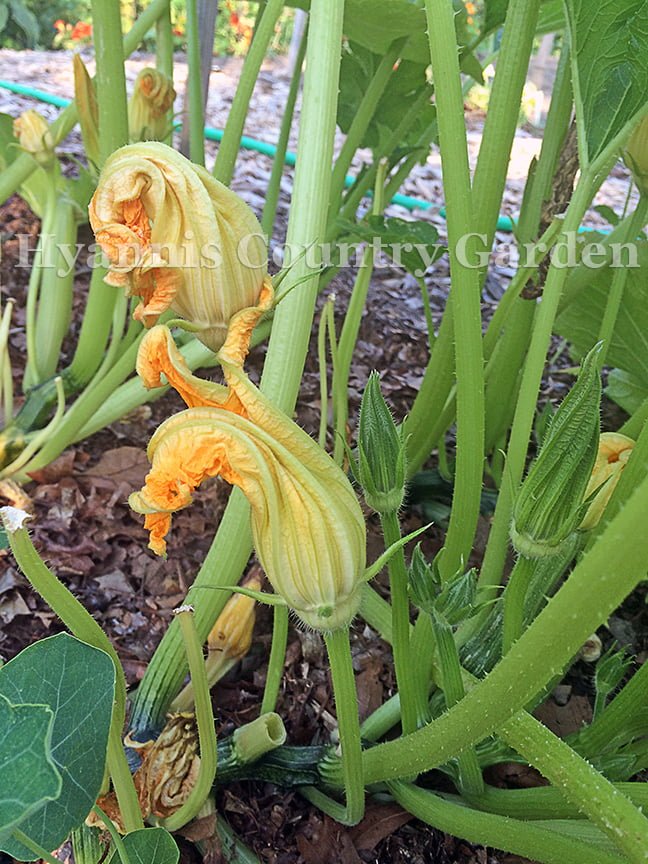
Zucchini plants have separate male and female flowers. You can easily distinguish them: female flowers have a small, immature zucchini fruit at the base, while male flowers grow directly on a stem. Pollination occurs when pollen from a male flower is transferred to the stigma of a female flower.
Here's a quick checklist to help you identify them:
Male Flowers: Grow on long, thin stems. Have a prominent stamen covered in pollen inside the flower. Female Flowers: Grow close to the main stem and have a small, immature zucchini fruit behind the flower. Have a sticky stigma inside the flower.
Bees are usually the primary pollinators. However, their populations are declining in some areas, and factors like weather can limit their activity. If you aren't seeing many bees around your cocozelle plant, this could be a major contributing factor to your lack of zucchini production.
Hand-Pollination: Taking Matters Into Your Own Hands
If you suspect a lack of natural pollinators is to blame, you can easily hand-pollinate your cocozelle plants. It's a simple process that can dramatically improve your zucchini harvest. Here's how to do it:
1.Identify male and female flowers: Look for open male and female flowers on the same day. The best time to hand-pollinate is in the morning.
2.Collect pollen: Gently remove a male flower from the plant. Carefully peel back the petals to expose the stamen, which is covered in pollen.
3.Transfer pollen: You have two options: Option 1:Gently rub the stamen of the male flower onto the stigma (the sticky center) of the female flower.
Option 2: Use a small paintbrush to collect pollen from the stamen of the male flower. Then, carefully brush the pollen onto the stigma of the female flower. This is a more delicate method.
4.Repeat: Repeat the process with multiple female flowers for the best results.
5.Mark the pollinated flowers: Use a small piece of ribbon or twine to mark the pollinated female flowers. This will help you keep track of which ones you've already hand-pollinated.
6.Observe: Over the next few days, monitor the marked female flowers. If pollination was successful, the small zucchini behind the flower should start to grow. If it turns yellow and shrivels up, pollination failed.
Hand-pollination can be a game-changer. If you're diligent about it, you can ensure that your cocozelle plant produces a bountiful harvest of zucchini, even in the absence of plentiful bees.
Weather's Impact on Pollination
Unfavorable weather conditions can significantly impact pollination. Rain, excessive heat (above 90°F), and high humidity can all interfere with the process. Rain washes away pollen, high heat can sterilize pollen, and high humidity can make pollen sticky and less likely to transfer. If you're experiencing these conditions, hand-pollination becomes even more critical.
Nutrient Deficiencies: Feeding Your Cocozelle for Fruit Production
Like all plants, cocozelle plants require specific nutrients to thrive and produce fruit. Deficiencies in essential nutrients can hinder growth and fruit development.
Key Nutrients for Zucchini Production
Here are the primary nutrients your cocozelle plant needs:
Nitrogen (N): Promotes healthy leaf growth. Too much nitrogen, however, can lead to lush foliage at the expense of fruit production. Phosphorus (P): Essential for root development, flowering, and fruit set. A phosphorus deficiency can result in poor flowering and stunted fruit growth. Potassium (K):Plays a crucial role in overall plant health, disease resistance, and fruit development. Potassium deficiency can lead to small, poorly formed fruit.
Identifying and Addressing Nutrient Deficiencies
Look for visual clues that might indicate a nutrient deficiency:
Nitrogen Deficiency: Yellowing of older leaves, slow growth. Phosphorus Deficiency: Stunted growth, dark green leaves with purplish tinges, poor flowering. Potassium Deficiency:Yellowing or browning of leaf edges, weak stems, small fruit.
To address nutrient deficiencies, consider conducting a soil test to determine the specific nutrient levels in your soil. Based on the results, you can amend the soil with appropriate fertilizers. A balanced fertilizer (e.g., 10-10-10) can often address general nutrient deficiencies. For phosphorus deficiencies, bone meal can be a good amendment. For potassium deficiencies, potash or wood ash can be used. Always follow the instructions on the fertilizer packaging.
You might find that giving your plants some extra care, such as using these Fiskars Bypass Pruning Shears, 5/8-Inch Cut Capacity Garden Clippers, Gardening Scissors with Sharp, Rust Resistant Steel Blade, can help with proper airflow and sunlight to promote better growth and zucchini production. You can find the handy gardening scissors here: https://amzn.to/4i LKbs8.
Environmental Stress: Factors Impacting Cocozelle Growth
Environmental factors can also play a significant role in zucchini production. Cocozelle plants are sensitive to certain environmental conditions, and stress can inhibit flowering and fruit set.
Temperature Fluctuations
Cocozelle plants thrive in warm weather. Ideal temperatures are between 65°F and 85°F (18°C and 29°C). Extreme heat or cold can stress the plants and reduce fruit production. As mentioned earlier, temperatures above 90°F (32°C) can sterilize pollen, making pollination impossible. Frost can damage or kill the plants entirely.
Watering Issues
Consistent and adequate watering is essential for healthy cocozelle growth and fruit production. Both underwatering and overwatering can cause problems.
Underwatering: Can lead to wilting, stunted growth, and reduced flowering. Zucchini plants have large leaves and require a significant amount of water, especially during hot weather. Overwatering: Can lead to root rot, which weakens the plant and inhibits nutrient uptake. Ensure your soil has good drainage.
The best approach is to water deeply and less frequently, allowing the soil to dry out slightly between waterings. Check the soil moisture by sticking your finger a few inches into the soil. If it feels dry, it's time to water.
Sunlight Requirements
Cocozelle plants need at least 6-8 hours of direct sunlight per day. Insufficient sunlight can lead to weak growth, poor flowering, and reduced fruit production. If your plant is located in a shady area, consider transplanting it to a sunnier spot.
Pests and Diseases: Protecting Your Cocozelle Plants
Pests and diseases can weaken cocozelle plants and impact their ability to produce zucchini.
Common Pests Affecting Zucchini
Here are some common pests that can affect cocozelle plants:
Squash Bugs: These pests suck sap from leaves and stems, weakening the plant. They can also transmit diseases. Squash Vine Borers: These pests bore into the stems of zucchini plants, disrupting water and nutrient flow. Aphids:These small, sap-sucking insects can weaken plants and transmit diseases.
Common Diseases Affecting Zucchini
Here are some common diseases that can affect cocozelle plants:
Powdery Mildew: This fungal disease appears as a white, powdery coating on leaves. Downy Mildew: This fungal disease causes yellow spots on the upper surface of leaves and a downy growth on the underside. Blossom End Rot:This condition causes the blossom end of the zucchini to rot and turn black. It's often caused by calcium deficiency or inconsistent watering.
Prevention and Control Strategies
Here are some strategies for preventing and controlling pests and diseases:
Inspect plants regularly: Check for signs of pests or diseases. Remove infested leaves: Prune away any leaves that are heavily infested with pests or diseases. Use insecticidal soap: This is an effective treatment for aphids and other soft-bodied insects. Use neem oil: This is a natural insecticide and fungicide. Practice crop rotation: Rotate your crops each year to prevent the buildup of soilborne diseases. Provide good air circulation: Space plants adequately to allow for good air circulation, which can help prevent fungal diseases. Ensure proper watering:Avoid overwatering, as this can create a favorable environment for fungal diseases.
Plant Age and Variety: Understanding Your Cocozelle's Potential
Finally, consider the age of your plant and the specific variety of cocozelle you're growing. Some varieties are more productive than others, and older plants may naturally produce less fruit.
Plant Age
Zucchini plants are typically most productive during their first few months of growth. As they age, their fruit production may decline. If your plant is several months old and its zucchini production has slowed down, it may simply be reaching the end of its productive life.
Cocozelle Variety
Different varieties of cocozelle zucchini may have different levels of productivity. Some varieties are bred for higher yields. If you're concerned about zucchini production, research different cocozelle varieties and choose one that is known for its productivity.
By carefully considering these factors, you can increase the likelihood of a bountiful zucchini harvest from your cocozelle plant. Don't give up! With a little investigation and effort, you'll be enjoying fresh, homegrown zucchini in no time.