Have you ever looked at your zucchini plant, overflowing with summer squash, and wondered if you could use more than just the fruit? You might be surprised to learn that there's a lesser-known edible part: the stalk! Yes, that sturdy stem supporting your prolific zucchini can be a delicious addition to your kitchen creations, reducing waste and adding a unique flavor to your meals. Exploring the Edibility of Zucchini Plant Stalk Many gardeners are familiar with the delight of harvesting fresh zucchini, but few consider the potential of the zucchini plant stalk. Understanding the nutritional value, preparation techniques, and safety considerations surrounding zucchini stalks can unlock a whole new culinary dimension for your garden bounty. So, is the zucchini stalk edible? The short answer is yes, but with a few important caveats. We need to consider the age of the plant and potential bitterness. Mature zucchini stalks, especially those from older plants,...
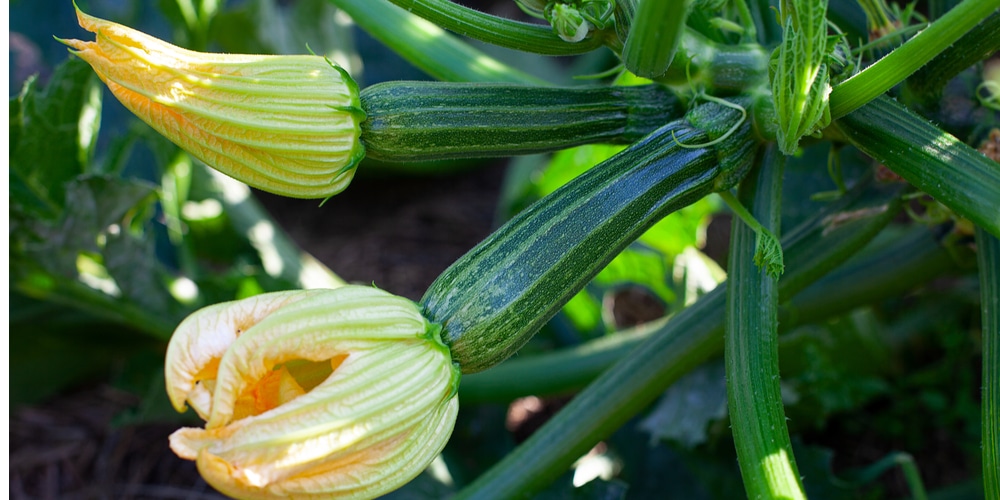
Dreaming of fresh zucchini bread, stuffed zucchini blossoms, or simply grilled zucchini on a warm summer evening? The key to a bountiful zucchini harvest in Washington State lies in planting at the right time. Get the timing wrong, and you might end up with stunted plants and a disappointing yield. So, let's dive into the specifics of when to plant zucchini in the Evergreen State.
Best Time to Plant Zucchini in Washington State
Determining the optimal time to plant zucchini in Washington State hinges on understanding the region's diverse climate zones and the zucchini plant's specific needs. Zucchini, like other squash varieties, are warm-season crops, meaning they thrive in warm soil and air temperatures and are sensitive to frost. The ideal time frame for planting usually falls betweenlate May and early July, after the danger of frost has passed. This range ensures the young plants aren't exposed to potentially damaging cold snaps.
Understanding Washington's Climate Zones
Washington State boasts a variety of microclimates, making a one-size-fits-all planting date impossible. Consider these regional differences:
Western Washington (Coastal Areas): With its milder temperatures and longer growing season, Western Washington allows for earlier planting. You can often start seeds indoors in late April or early May and transplant them outdoors in late May or early June. Eastern Washington (Inland Areas): Eastern Washington experiences hotter summers and colder winters. Planting should be delayed until the risk of frost is minimal, typically late May or early June. Mountainous Regions:Higher elevations have shorter growing seasons and cooler temperatures. Planting zucchini in these areas might need to wait until mid-June or even early July to ensure successful growth.
Factors to Consider When Planting Zucchini in Washington
Beyond the general timeframe, several factors can influence your planting schedule. These include:
- Soil Temperature: Zucchini seeds germinate best when the soil temperature is consistently above 60°F (15°C). Use a soil thermometer to check the temperature before planting.
- Last Frost Date: Knowing the average last frost date for your specific location is crucial. Planting before this date risks frost damage. Check local weather resources or consult with experienced gardeners in your area.
- Variety: Some zucchini varieties are more cold-tolerant than others. Check the seed packet for specific recommendations regarding planting times.
- Starting Seeds Indoors: Starting seeds indoors 2-3 weeks before the last frost allows you to get a head start on the growing season. Transplant seedlings outdoors once the weather warms up and the risk of frost has passed.
For example, if you live in Seattle, which experiences a more moderate climate, you might be able to transplant your zucchini seedlings outdoors earlier than someone living in Spokane, which has colder spring temperatures. You can use various online resources, such as the Washington State University Extension website, to look up historical frost dates for your county.
Step-by-Step Guide to Planting Zucchini in Washington State
Now that you know when to plant, let's look at how to plant zucchini. Success depends on a few things, from healthy soil to proper watering:
- Prepare the Soil: Zucchini needs nutrient-rich, well-drained soil. Amend the soil with compost or well-rotted manure to improve its fertility and drainage. Till the soil to a depth of 12 inches.
- Choose a Sunny Location: Zucchini plants need at least 6-8 hours of sunlight per day. Select a location that receives plenty of sunlight throughout the day.
- Planting Seeds or Seedlings: Plant seeds directly in the ground, about 1 inch deep, spacing them 2-3 feet apart. If transplanting seedlings, dig a hole slightly larger than the root ball. Gently remove the seedling from its container and place it in the hole. Backfill with soil and water thoroughly.
- Watering: Zucchini plants need consistent watering, especially during hot weather. Water deeply and regularly, aiming for about 1 inch of water per week. Avoid overhead watering, which can promote fungal diseases.
- Fertilizing: Fertilize zucchini plants every 2-3 weeks with a balanced fertilizer. Follow the instructions on the fertilizer package.
- Pest and Disease Control: Zucchini plants can be susceptible to pests and diseases, such as squash bugs, squash vine borers, and powdery mildew. Monitor your plants regularly and take action to control any pests or diseases that appear.
Troubleshooting Common Zucchini Growing Problems
Even with the best planning, you might encounter some common zucchini growing problems. Here are a few issues and how to address them:
Blossom End Rot: This condition, characterized by a dark, sunken area at the blossom end of the fruit, is caused by calcium deficiency. Ensure consistent watering and amend the soil with lime if necessary. Powdery Mildew: This fungal disease appears as a white, powdery coating on the leaves. Improve air circulation by spacing plants properly and water at the base of the plant. Apply a fungicide if necessary. Squash Bugs: These pests can damage leaves and stems. Handpick them off the plants or use an insecticide. Lack of Pollination: Sometimes, zucchini flowers fail to produce fruit because they are not properly pollinated. You can hand-pollinate the flowers by transferring pollen from the male flower to the female flower using a small brush.
For a bountiful harvest, consider investing in a good pair of pruning shears. The Fiskars Bypass Pruning Shears, offering a 5/8-Inch Cut Capacity, makes garden tasks a breeze with its sharp, rust-resistant steel blades, ensuring efficient and precise cuts. You can find these handy gardening scissors here: https://amzn.to/4i LKbs8.
Harvesting Your Zucchini
The key to enjoying peak zucchini flavor is timely harvesting. Begin harvesting zucchini when the fruits are young and tender, typically 6-8 inches long. Larger zucchini can become tough and seedy. Cut the zucchini from the plant with a sharp knife or pruning shears, leaving a short stem attached. Regular harvesting encourages the plant to produce more fruit.
Extending the Zucchini Season in Washington State
While zucchini naturally thrive during the warm months, you can extend the season with a few strategies:
Succession Planting: Plant zucchini seeds every 2-3 weeks to ensure a continuous harvest throughout the summer. Cold Frames or Row Covers: Use cold frames or row covers to protect plants from early or late-season frosts. Choosing Early Varieties:Select zucchini varieties that mature quickly, allowing you to harvest earlier in the season.
Conclusion: Planting Zucchini in Washington State
Successfully growing zucchini in Washington State requires careful consideration of the local climate, soil conditions, and plant needs. By understanding the optimal planting times, providing proper care, and addressing potential problems, you can enjoy a bountiful harvest of delicious zucchini throughout the summer. So, get your seeds ready, prepare your garden, and look forward to enjoying the fruits (or vegetables!) of your labor!