Have you ever looked at your zucchini plant, overflowing with summer squash, and wondered if you could use more than just the fruit? You might be surprised to learn that there's a lesser-known edible part: the stalk! Yes, that sturdy stem supporting your prolific zucchini can be a delicious addition to your kitchen creations, reducing waste and adding a unique flavor to your meals. Exploring the Edibility of Zucchini Plant Stalk Many gardeners are familiar with the delight of harvesting fresh zucchini, but few consider the potential of the zucchini plant stalk. Understanding the nutritional value, preparation techniques, and safety considerations surrounding zucchini stalks can unlock a whole new culinary dimension for your garden bounty. So, is the zucchini stalk edible? The short answer is yes, but with a few important caveats. We need to consider the age of the plant and potential bitterness. Mature zucchini stalks, especially those from older plants,...
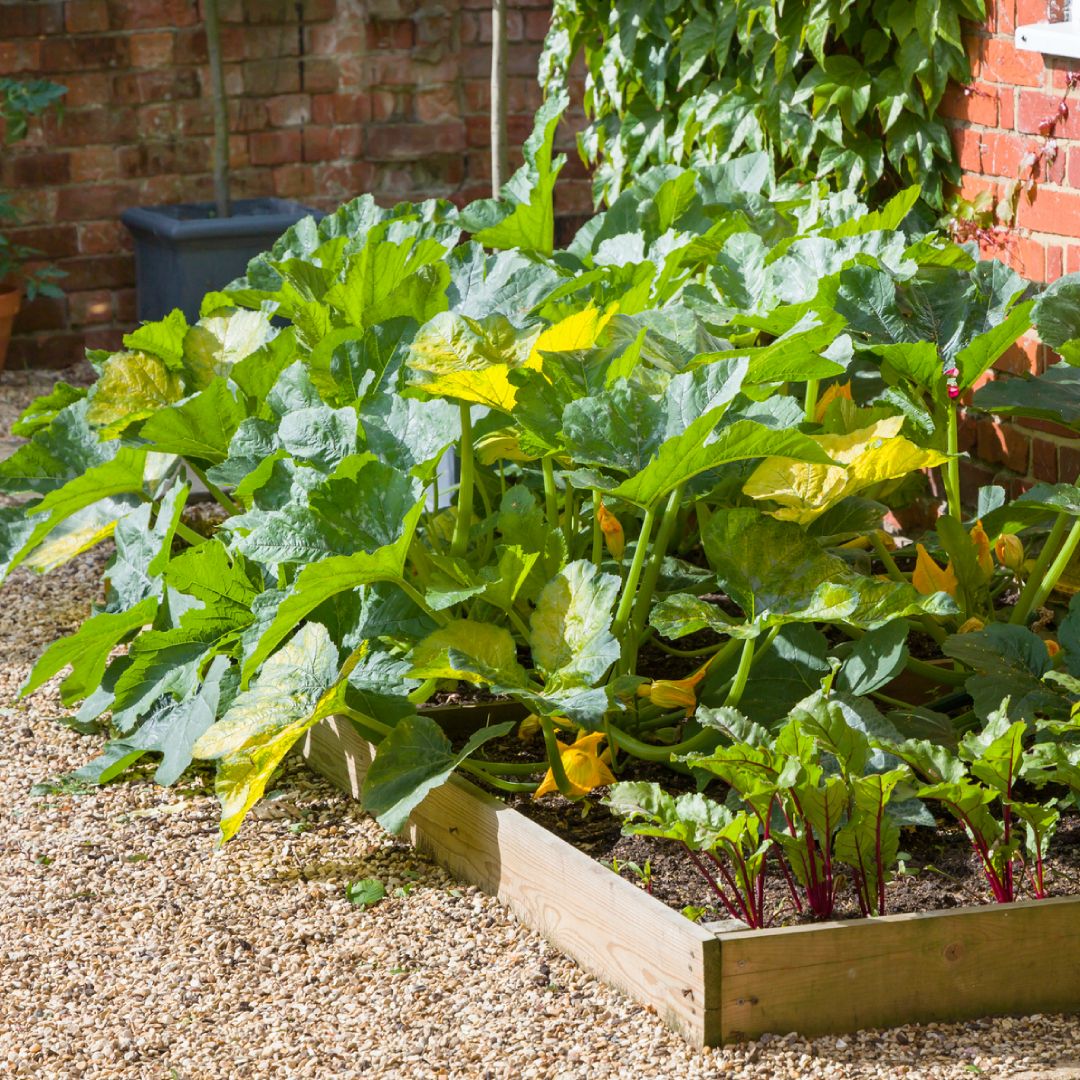
Zucchini, the prolific summer squash, is a garden favorite for its versatility and abundance. But did you know that planting it with the right companions can actually boost its growth, protect it from pests, and even enhance its flavor? Companion planting is an age-old technique that uses the beneficial relationships between different plants to create a thriving, self-regulating garden ecosystem. Let's explore the best vegetable companions for your zucchini plants and unlock the secrets to a bountiful harvest.
The Power of Companion Planting with Zucchini
Companion planting is more than just placing different plants near each other. It's about understanding how plants interact and using those interactions to your advantage. Some plants repel pests that might attack zucchini, while others attract beneficial insects that prey on those pests. Still, others can improve soil conditions or even provide shade, creating a more favorable environment for zucchini to flourish. By carefully selecting companion plants, you can create a synergistic garden where each plant supports the others, leading to healthier and more productive crops.
What Vegetables to Plant With Zucchini: The Best Companions
Choosing the right vegetable companions for your zucchini can make all the difference. Here's a breakdown of some of the most effective vegetable pairings, along with the reasons why they work so well. Knowing which vegetables to plant alongside zucchini allows you to maximize your garden's potential and enjoy a healthier, more vibrant harvest.
Legumes: Nitrogen Fixers for Healthy Zucchini
Legumes, such as beans and peas, are fantastic companions for zucchini because they have the unique ability to fix nitrogen from the atmosphere into the soil. Nitrogen is an essential nutrient for plant growth, and zucchini, a heavy feeder, benefits greatly from its availability. By planting legumes near your zucchini, you're essentially providing a natural source of fertilizer. Bush beans are a particularly good choice, as they don't require a trellis and can be easily planted around the base of your zucchini plants. Consider varieties like 'Blue Lake' or 'Kentucky Wonder' for their productivity and disease resistance. Peas, especially bush varieties, also work well. The added nitrogen boost will lead to larger, more flavorful zucchini fruits.
For example, a study at the University of California, Davis, found that planting beans alongside squash increased squash yields by up to 20% due to the improved nitrogen levels in the soil.
Alliums: Pest Deterrents for Zucchini Protection
Plants in the allium family, including onions, garlic, chives, and leeks, are well-known for their pungent aroma, which acts as a natural pest deterrent. These plants can repel common zucchini pests such as squash bugs, squash vine borers, and aphids. The strong scent confuses these pests, making it harder for them to locate your zucchini plants. Plant alliums around the perimeter of your zucchini patch or interplant them throughout the area. Not only will they protect your zucchini, but they'll also add a delightful flavor to your culinary creations. Consider planting garlic cloves in the fall for a head start in the spring, or sow onion seeds directly into the garden in early spring. Chives are a perennial option that will come back year after year, providing ongoing pest protection.
Pro Tip: Garlic is believed to deter squash vine borers. Plant garlic bulbs near your zucchini plants in early spring to help prevent these destructive pests from attacking your crops.
Nasturtiums: Trap Crops for Zucchini Pests
Nasturtiums are beautiful, edible flowers that can serve as trap crops for zucchini pests. Trap crops are plants that attract pests away from your valuable crops, sacrificing themselves to protect the plants you want to harvest. Nasturtiums are particularly attractive to aphids and squash bugs. By planting nasturtiums near your zucchini, you're essentially creating a diversion, luring these pests away from your zucchini plants. The pests will prefer to feed on the nasturtiums, leaving your zucchini relatively unharmed. Plus, nasturtium flowers and leaves are edible, adding a peppery flavor to salads and other dishes. They also attract beneficial insects like hoverflies, which prey on aphids.
A garden scissors with sharp, rust resistant steel blade makes quick work of harvesting those beautiful nasturtiums! You can find a great option for 5/8-Inch Cut Capacity Garden Clippers here: Fiskars Bypass Pruning Shears.
Marigolds: Nematode Control and Pest Repellents
Marigolds are another excellent companion plant for zucchini, offering multiple benefits. They are known for their ability to repel nematodes, microscopic worms that can damage plant roots. Marigolds secrete a substance from their roots that is toxic to nematodes, helping to keep them away from your zucchini plants. In addition, marigolds have a strong scent that can deter other pests, such as squash bugs and whiteflies. Plant marigolds around the perimeter of your zucchini patch or interplant them throughout the area for maximum protection. Choose French marigolds (Tagetes patula) for their nematode-controlling properties. Their bright, cheerful flowers will also add a splash of color to your garden.
Herbs: Attracting Beneficial Insects and Repelling Pests
Certain herbs can also be excellent companions for zucchini, attracting beneficial insects that prey on pests and repelling unwanted visitors. Dill, for example, attracts ladybugs and lacewings, which feed on aphids. Basil is another great choice, as its strong scent can deter squash bugs and other pests. Rosemary can also be helpful, as it repels cabbage moths, which can sometimes attack zucchini plants. Plant these herbs near your zucchini plants to create a more balanced and pest-resistant garden ecosystem. You'll not only protect your zucchini but also add flavor and aroma to your garden.
What Vegetables Not to Plant With Zucchini
While many plants make excellent companions for zucchini, some can actually hinder its growth or attract pests. It's important to avoid planting these incompatible plants near your zucchini to ensure its health and productivity.
Potatoes: Potatoes and zucchini compete for the same nutrients in the soil, potentially stunting the growth of both plants. Their root systems can also interfere with each other, hindering nutrient and water uptake.
Fennel: Fennel inhibits the growth of many plants, including zucchini. It releases chemicals into the soil that can suppress the growth of neighboring plants, making it an unsuitable companion.
Maximizing Your Zucchini Harvest Through Strategic Planting
By carefully selecting the right companion plants, you can create a thriving garden ecosystem that supports your zucchini plants and maximizes their yield. Remember to consider the specific needs of your zucchini and choose companions that can provide benefits such as pest control, nutrient enhancement, and improved pollination. With a little planning and effort, you can enjoy a bountiful harvest of delicious zucchini all season long.