Have you ever looked at your zucchini plant, overflowing with summer squash, and wondered if you could use more than just the fruit? You might be surprised to learn that there's a lesser-known edible part: the stalk! Yes, that sturdy stem supporting your prolific zucchini can be a delicious addition to your kitchen creations, reducing waste and adding a unique flavor to your meals. Exploring the Edibility of Zucchini Plant Stalk Many gardeners are familiar with the delight of harvesting fresh zucchini, but few consider the potential of the zucchini plant stalk. Understanding the nutritional value, preparation techniques, and safety considerations surrounding zucchini stalks can unlock a whole new culinary dimension for your garden bounty. So, is the zucchini stalk edible? The short answer is yes, but with a few important caveats. We need to consider the age of the plant and potential bitterness. Mature zucchini stalks, especially those from older plants,...
Zucchini is a garden staple, known for its prolific growth and delicious fruits. But did you know that strategically planting flowers alongside your zucchini can actually boost its health and yield? Companion planting, as it's called, can attract pollinators, repel pests, and even improve soil conditions. So, the question becomes: what flower companion can I plant with zucchini to create the perfect garden synergy?
What Flowers Can I Plant with Zucchini for the Best Results?
Choosing the right flower companion for your zucchini involves understanding your garden's needs and the benefits each flower can offer. Some flowers are excellent at attracting pollinators, ensuring your zucchini flowers get properly pollinated. Others work as natural pest repellents, keeping harmful insects away from your precious zucchini plants. Let’s explore some of the best flower companions for zucchini and how they can help your garden thrive.
Marigolds: The Zucchini's Best Friend
Marigolds are perhaps the most popular and widely recommended companion flower for zucchini, and for good reason. These cheerful, brightly colored flowers offer a multitude of benefits. French marigolds, in particular, are known for their ability to repel nematodes, tiny soil-dwelling worms that can damage zucchini roots and stunt their growth. The scent of marigolds also deters other common zucchini pests like squash bugs and aphids. Furthermore, marigolds attract beneficial insects such as ladybugs and hoverflies, which prey on aphids and other garden pests, creating a balanced ecosystem around your zucchini plants.
Planting marigolds near your zucchini plants is incredibly simple. You can either start them from seed directly in the garden or transplant seedlings. Space the marigolds about 12 inches apart around the zucchini plants to create a protective barrier. Keep in mind that marigolds thrive in full sun and well-drained soil, similar to zucchini, making them an easy and low-maintenance companion choice. For efficient gardening, consider using sharpFiskars Bypass Pruning Shears which will allow you to swiftly prune away old growth, and keep your flowers healthy and looking their best. If you're interested, you can find these garden clippers here: https://amzn.to/4i LKbs8. These gardening scissors are a great asset to any garden.
Nasturtiums: Edible Beauty for Your Garden
Nasturtiums are another excellent flower choice to grow with zucchini. Not only are they beautiful and edible, but they also act as a trap crop. This means that pests, particularly aphids, are more attracted to nasturtiums than to zucchini. By planting nasturtiums nearby, you can draw aphids away from your zucchini plants, preventing them from causing damage. Nasturtiums also attract beneficial insects like hoverflies, which feed on aphids and other pests. The flowers, leaves, and seed pods of nasturtiums are all edible, adding a peppery kick to salads and other dishes. They thrive in full sun to partial shade and well-drained soil. Plant them around the base of your zucchini plants or intersperse them throughout the garden.
Borage: A Pollinator Magnet
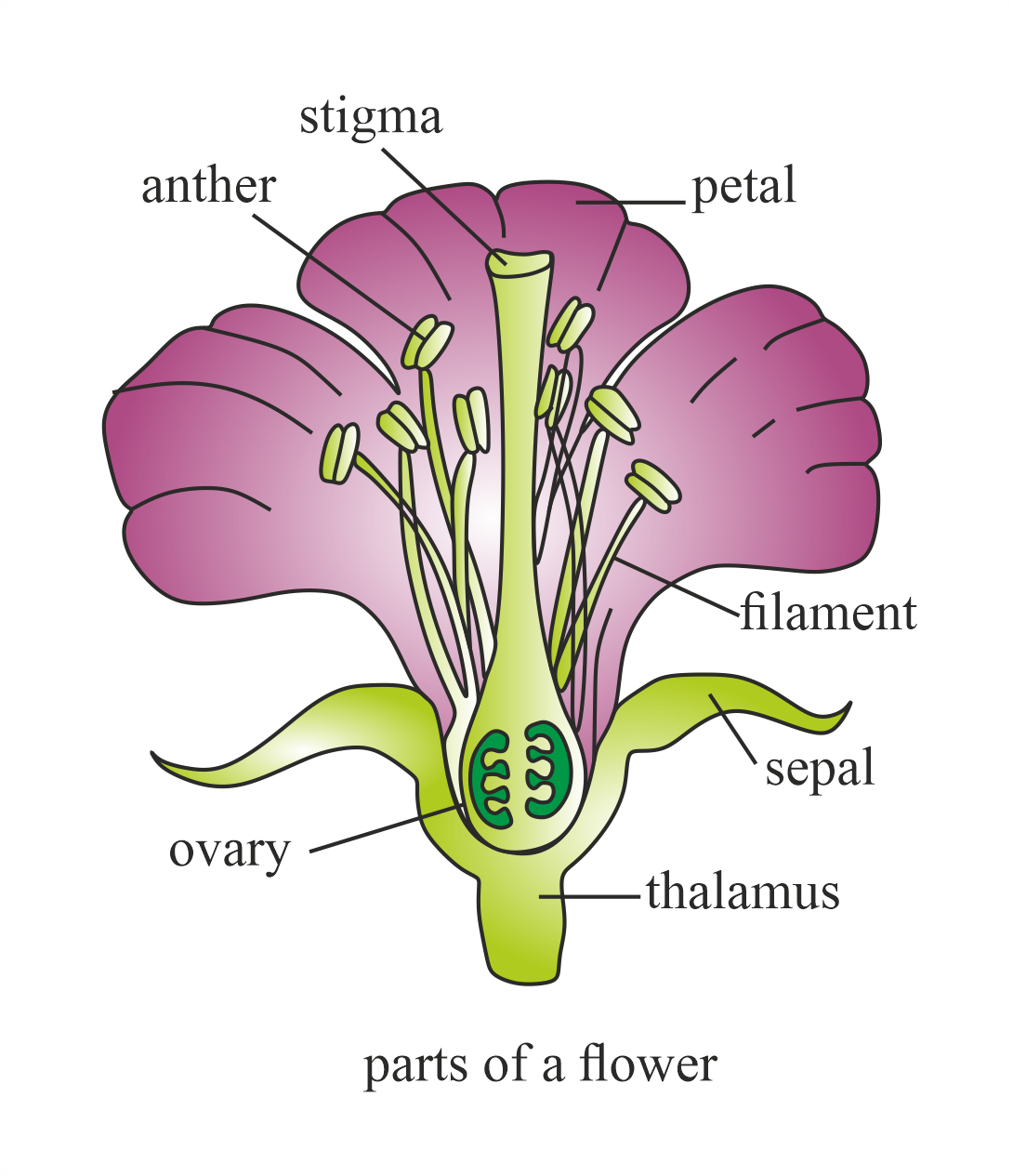
Borage, with its beautiful blue flowers, is a powerful attractor of pollinators, especially bees. Zucchini plants rely on bees and other insects to transfer pollen from male to female flowers, a process essential for fruit production. By planting borage near your zucchini, you'll significantly increase the number of pollinators visiting your garden, leading to better pollination and a higher yield of zucchini. Borage also attracts beneficial wasps, which prey on various garden pests. It prefers full sun and well-drained soil, and it can grow quite large, so be sure to give it enough space.
Sunflowers: Tall Protectors and Attractants
While sunflowers might seem like a surprising companion for zucchini, they offer several benefits. Their tall stature provides shade during the hottest part of the day, which can be beneficial for zucchini in particularly hot climates. Sunflowers also attract pollinators and act as a visual deterrent to some pests. However, it's crucial to space sunflowers appropriately so they don't overshadow your zucchini plants and prevent them from getting enough sunlight. Consider planting them on the north side of your zucchini patch to minimize shading. Additionally, sunflowers require a lot of nutrients, so ensure your soil is rich and well-fertilized.
Calendula: A Versatile Companion Plant
Calendula, also known as pot marigold, is a versatile and beneficial flower to plant near zucchini. Like marigolds, calendula attracts beneficial insects, such as ladybugs and hoverflies, that prey on aphids and other pests. It also has antiseptic and antifungal properties, which can help protect zucchini plants from certain diseases. Calendula flowers are edible and can be used in salads, teas, and other culinary applications. They thrive in full sun to partial shade and well-drained soil. Plant calendula around the perimeter of your zucchini patch or intersperse them throughout the garden.
How to Plant Flower Companions with Zucchini
Now that you know which flowers make great companions for zucchini, let's talk about how to plant them effectively. The key is to consider the spacing and sunlight requirements of both the zucchini and the flowers. Zucchini plants need plenty of space to spread out, so avoid overcrowding them with flowers. A good rule of thumb is to plant flowers around the perimeter of the zucchini patch or intersperse them strategically throughout the garden, leaving enough space for the zucchini plants to grow and thrive. Consider the height of the flowers as well. Taller flowers, like sunflowers, should be planted on the north side of the zucchini patch to avoid shading the plants.
Before planting, amend the soil with compost or other organic matter to improve drainage and fertility. Water the plants thoroughly after planting and continue to water regularly, especially during dry periods. Monitor your plants for pests and diseases and take appropriate action if necessary. With a little planning and care, you can create a thriving garden ecosystem where zucchini and flowers coexist harmoniously.
Benefits of Companion Planting Flowers with Zucchini
The benefits of planting flower companions with zucchini extend beyond just pest control and pollination. Here's a summary of the key advantages:
- Pest Control: Certain flowers, like marigolds and nasturtiums, repel common zucchini pests, reducing the need for chemical pesticides.
- Pollination: Flowers like borage and sunflowers attract pollinators, which are essential for zucchini fruit production.
- Soil Improvement: Some flowers, like calendula, can improve soil health and fertility.
- Beneficial Insects: Many flowers attract beneficial insects that prey on garden pests.
- Aesthetics: Flowers add beauty and visual interest to the garden, making it a more enjoyable space.
By incorporating flower companions into your zucchini garden, you'll create a more balanced and productive ecosystem, leading to healthier plants and a bountiful harvest.