Have you ever looked at your zucchini plant, overflowing with summer squash, and wondered if you could use more than just the fruit? You might be surprised to learn that there's a lesser-known edible part: the stalk! Yes, that sturdy stem supporting your prolific zucchini can be a delicious addition to your kitchen creations, reducing waste and adding a unique flavor to your meals. Exploring the Edibility of Zucchini Plant Stalk Many gardeners are familiar with the delight of harvesting fresh zucchini, but few consider the potential of the zucchini plant stalk. Understanding the nutritional value, preparation techniques, and safety considerations surrounding zucchini stalks can unlock a whole new culinary dimension for your garden bounty. So, is the zucchini stalk edible? The short answer is yes, but with a few important caveats. We need to consider the age of the plant and potential bitterness. Mature zucchini stalks, especially those from older plants,...
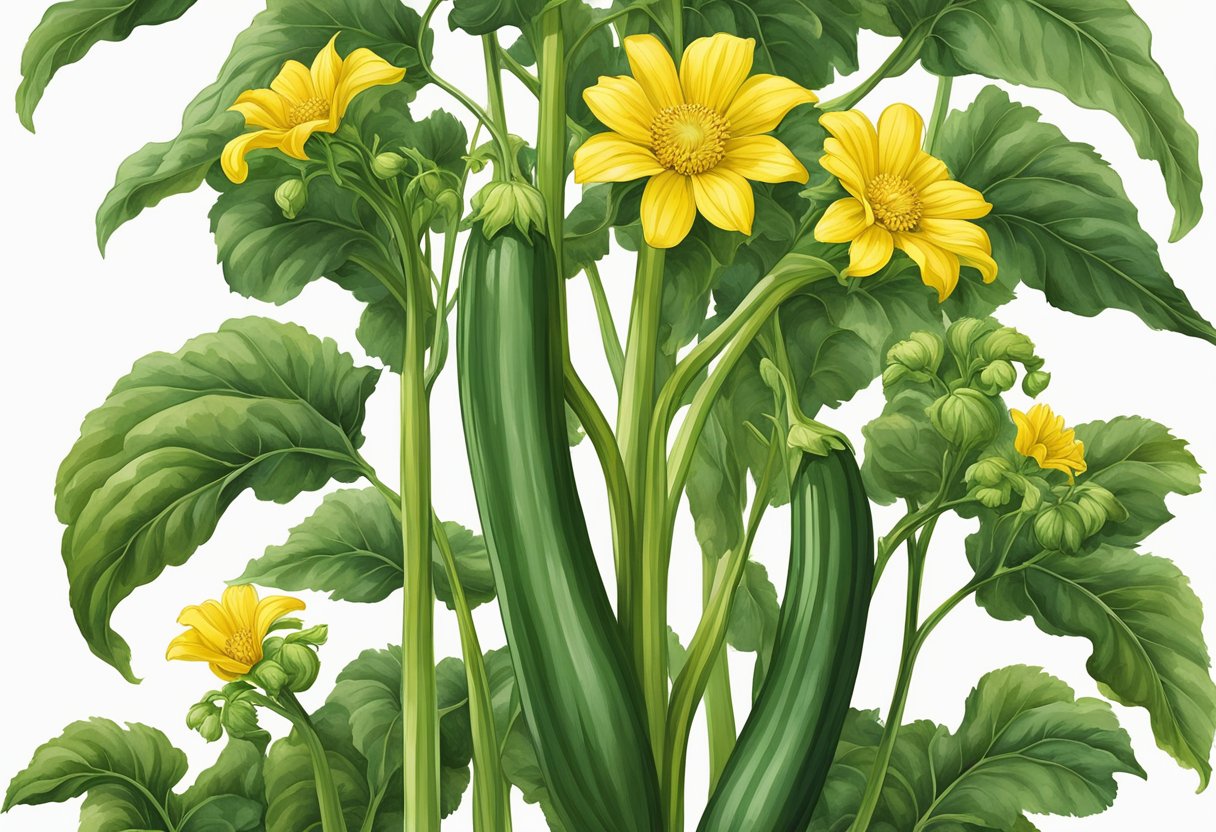
Have you ever wondered what mysteries hide within your garden, what fascinating shapes and forms the plants take as they grow? One such wonder is the zucchini plant, a common sight in vegetable gardens but often taken for granted. Understanding what a zucchini plant looks like at each stage of its growth can not only help you identify it easily but also better care for it, ensuring a bountiful harvest. Let's delve into the fascinating details of the zucchini plant's appearance!
The Overall Appearance of a Zucchini Plant
The zucchini plant, scientifically known as Cucurbita pepo, is a member of the squash family. Its overall appearance can be described as robust and bushy. It's an annual plant, meaning it completes its life cycle in one growing season. Typically, a zucchini plantgrows to be about 2-3 feet tall and 3-4 feet wide, making it a substantial presence in any garden. They can also be compact or bush-type, with the fruits clustered near the center of the plant.
Unlike vining squashes like pumpkins or some winter squashes, zucchini plants typically have a morecompact, bush-like growth habit. This makes them a good choice for smaller gardens or container gardening, although they still require ample space to spread out.
Zucchini Plant Leaves: A Closer Look
One of the most distinctive features of a zucchini plant is its large, coarse leaves. Understanding the characteristics of zucchini plant leaves is key to identifying a healthy plant.
Shape and Size of Zucchini Plant Leaves
Zucchini leaves aretypically broad and heart-shaped (cordate), with deep lobes. They can range in size from 6 to 12 inches in diameter, making them quite prominent. These large leaves are essential for capturing sunlight, which fuels the plant's growth and fruit production.
The size of the leaves can vary depending on the variety of zucchini and the growing conditions. Well-nourished plants with adequate sunlight and water will generally have larger, more vibrant leaves.
Texture and Color of Zucchini Plant Leaves
The texture of zucchini leaves iscoarse and slightly prickly. The surface is covered in tiny hairs, which can sometimes irritate the skin upon contact. The color of the leaves is typically a deep green, though some varieties may have lighter green or even variegated leaves.
Healthy zucchini leaves should have a uniform green color. Yellowing or browning leaves can be a sign of nutrient deficiencies, disease, or pest infestations. Regularly inspecting the leaves for any abnormalities is crucial for maintaining plant health.
Zucchini Plant Flowers: A Burst of Yellow
The flowers of the zucchini plant are not only beautiful but also essential for fruit production. These bright yellow blossoms add a touch of sunshine to any garden.
Appearance of Zucchini Plant Flowers
Zucchini plants produce large, trumpet-shaped flowers that are typically*bright yellow or orange. These flowers are unisexual, meaning that individual flowers are either male or female. Both types of flowers are necessary for pollination and fruit development.
Male flowersappear on long, slender stems. Their primary function is to produce pollen. Female flowers*have a small, immature zucchini fruit at the base of the flower. This is the ovary that will develop into a mature zucchini if the flower is successfully pollinated.
Pollination and Fruit Development
Pollination is the process by which pollen from the male flower is transferred to the female flower, leading to fertilization and fruit development. This process is usually carried out by insects, such as bees, or by hand pollination.
If pollination is successful, the female flower will begin to swell at the base, and the immature zucchini will start to grow. If pollination does not occur, the female flower will wither and die, and the immature zucchini will not develop. Sometimes, you may need to use some quality garden clippers likeFiskars Bypass Pruning Shears, known for its 5/8-Inch Cut Capacity, to help maintain the plant and make sure it is growing in an organized manner. You can find these sharp, rust resistant steel blade gardening scissors here:
The Zucchini Fruit: From Tiny Bud to Harvest
The zucchini fruit is, of course, the star of the show. Knowing what to look for in a developing zucchini is essential for harvesting at the right time.
Shape, Size, and Color of Zucchini Fruit
Zucchini fruits are typicallyelongated and cylindrical, though some varieties may be round or slightly curved. The size of the fruit can vary depending on the variety and the growing conditions. Most zucchini are harvested when they are 6 to 8 inches long, but they can grow much larger if left on the vine.
The color of the fruit is usuallydark green, but there are also varieties that are light green, yellow, or even striped. The skin of the zucchini is thin and edible. The flesh is pale green or white and has a mild, slightly sweet flavor.
Harvesting Zucchini
Zucchini grows rapidly, and it's essential to harvest them regularly to encourage continued production. Overgrown zucchini can become tough and seedy, and they will also inhibit the plant from producing more fruit.
Harvest zucchini when they are the desired size and the skin is still smooth and glossy. Use a sharp knife or pruning shears to cut the fruit from the plant, leaving a short stem attached. Regular harvesting will ensure a continuous supply of delicious zucchini throughout the growing season.
Here's a quick guide to zucchini characteristics:
| Feature | Description |
|---|---|
| Overall Plant | Bushy, 2-3 feet tall, 3-4 feet wide |
| Leaves | Large, heart-shaped, coarse, dark green, 6-12 inches in diameter |
| Flowers | Bright yellow, trumpet-shaped, male and female |
| Fruit | Elongated, cylindrical, dark green (variations exist), harvested at 6-8 inches |
Common Issues Affecting Zucchini Plant Appearance
Understanding the common problems affecting zucchini plants can help you maintain their health and appearance.
Pests and Diseases
Zucchini plants are susceptible to various pests and diseases that can affect their appearance and productivity. Common pests include squash bugs, squash vine borers, and aphids. Diseases like powdery mildew and squash mosaic virus can also cause significant damage.
Identifying Pest and Disease Damage
Here are some signs to look out for:
- Squash Bugs: Look for clusters of small, brown bugs on the undersides of leaves. They can cause leaves to wilt and turn brown.
- Squash Vine Borers: These pests burrow into the stems of the plant, causing them to collapse. Look for small holes near the base of the plant and sawdust-like frass.
- Aphids: These tiny insects suck sap from the leaves, causing them to become distorted and yellow.
- Powdery Mildew: This fungal disease appears as a white, powdery coating on the leaves.
- Squash Mosaic Virus: This virus causes mottled or distorted leaves and stunted growth.
Nutrient Deficiencies
Lack of essential nutrients can also affect the appearance of zucchini plants. For example, a nitrogen deficiency can cause leaves to turn yellow, while a phosphorus deficiency can lead to stunted growth and poor fruit development.
Addressing Nutrient Deficiencies
Amend the soil with compost or fertilizer to provide the necessary nutrients. Soil testing can help determine specific deficiencies and guide fertilizer application.
Conclusion
By understanding what a zucchini plant looks like, from its broad leaves to its bright yellow flowers and elongated fruits, you can better appreciate this garden staple and ensure its healthy growth. Keep an eye out for common pests and diseases, provide adequate nutrients, and harvest regularly for a bountiful harvest of delicious zucchini. Happy gardening!