Have you ever looked at your zucchini plant, overflowing with summer squash, and wondered if you could use more than just the fruit? You might be surprised to learn that there's a lesser-known edible part: the stalk! Yes, that sturdy stem supporting your prolific zucchini can be a delicious addition to your kitchen creations, reducing waste and adding a unique flavor to your meals. Exploring the Edibility of Zucchini Plant Stalk Many gardeners are familiar with the delight of harvesting fresh zucchini, but few consider the potential of the zucchini plant stalk. Understanding the nutritional value, preparation techniques, and safety considerations surrounding zucchini stalks can unlock a whole new culinary dimension for your garden bounty. So, is the zucchini stalk edible? The short answer is yes, but with a few important caveats. We need to consider the age of the plant and potential bitterness. Mature zucchini stalks, especially those from older plants,...
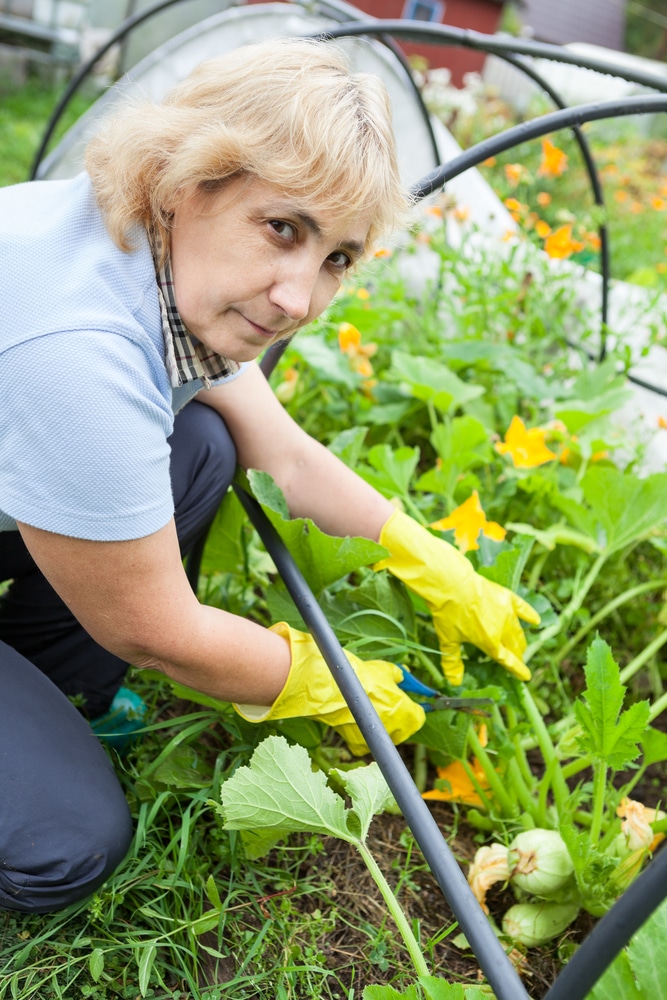
Are your zucchini plants taking over your garden like a green, leafy monster? Do you feel like you're wading through a jungle just to harvest a few squashes? Fear not, fellow gardeners! The secret to a bountiful zucchini harvest and a manageable garden might just lie in something you haven't considered: pruning. And the best way to learn? By watching someone else do it first!
Why Should You Even Bother Pruning Zucchini Plants?
Many gardeners think of pruning as something you do for tomatoes or roses, but zucchini plants benefit immensely from a little strategic trimming. You might be asking yourself, "Is pruning zucchini plants really necessary?" The answer is a resounding yes, if you want to maximize your yield, improve plant health, and keep your garden from being completely overrun. Here's a closer look at the main reasons why pruning zucchini plants should be a part of your gardening routine:
- Increased Airflow: Zucchini plants are prone to powdery mildew and other fungal diseases. Pruning away some of the dense foliage allows for better air circulation, which helps to dry out the leaves and prevent these diseases from taking hold. Think of it as giving your plants a chance to breathe!
- Improved Sunlight Penetration: Those big, beautiful zucchini leaves can also block sunlight from reaching the developing fruits. Pruning allows sunlight to penetrate deeper into the plant, promoting faster and more even ripening. More sun equals more delicious zucchini!
- Higher Yields: It might seem counterintuitive, but removing some leaves can actually lead to a higher yield of zucchini. By directing the plant's energy towards fruit production rather than leaf growth, you can encourage it to produce more squash.
- Easier Harvesting: Let's face it, trying to find zucchini hidden under a mountain of leaves can be a real challenge. Pruning makes it easier to see and harvest your bounty, preventing those giant, baseball bat-sized zucchini from sneaking past you.
- Pest Control: By opening up the plant, you make it easier to spot and deal with pests like squash bugs and vine borers. Early detection is key to preventing serious infestations.
Essential Techniques from a Pruning Zucchini Plants Video
While reading about pruning is helpful, sometimes seeing it in action is the best way to learn. Watching apruning zucchini plants video can make the process much clearer and less intimidating. Here are some key techniques you'll typically see demonstrated:
Identifying Which Leaves to Prune
Not all leaves are created equal! Knowing which leaves to prune is crucial for successful zucchini plant pruning. Focus on these:
- Old or Damaged Leaves: Any leaves that are yellowing, browning, or showing signs of disease should be removed promptly. These leaves are no longer contributing to the plant's health and can actually become a breeding ground for pests and diseases.
- Overlapping Leaves: Remove leaves that are blocking sunlight from reaching other parts of the plant, especially the developing fruits.
- Leaves Near the Base: These leaves often get splashed with soil during watering and are more susceptible to fungal diseases. Removing them improves airflow around the base of the plant.
- Excessive Foliage: If your plant is simply too dense, thin it out by removing some of the larger leaves to improve air circulation and sunlight penetration. A general rule of thumb is to remove no more than one-third of the plant's leaves at any one time.
Proper Pruning Tools and Techniques
Using the right tools and techniques is essential for preventing damage to your zucchini plants. Here's what you need to know:
- Use Sharp, Clean Tools: Dull or dirty tools can spread diseases and create ragged cuts that are slow to heal. Always use sharp, clean pruning shears or a knife. Make sure to sterilize your tools with rubbing alcohol or a bleach solution (1 part bleach to 9 parts water) before and after pruning each plant. This will help prevent the spread of disease.
- Make Clean Cuts: Cut the leaf stem close to the main stem of the plant, but be careful not to damage the main stem itself. Make clean, angled cuts to promote quick healing.
- Avoid Over-Pruning: It's better to prune conservatively than to over-prune. Removing too many leaves can stress the plant and reduce its ability to produce fruit. Remember, the leaves are the plant's solar panels, and it needs them to generate energy.
- Consider the Weather: Avoid pruning during periods of high humidity or rain, as this can increase the risk of fungal infections. The best time to prune is on a dry, sunny morning, which allows the cuts to dry quickly.
When and How Often to Prune Zucchini Plants
Timing is everything when it comes to pruning. Here's a general guideline for when and how often to prune your zucchini plants:
- Start Early: Begin pruning your zucchini plants when they are young and have only a few leaves. This will help to establish a good airflow pattern from the beginning.
- Prune Regularly: Check your plants regularly (at least once a week) and remove any dead, damaged, or diseased leaves as they appear.
- Adjust Based on Plant Growth: As your plants grow, you may need to prune more frequently to maintain good airflow and sunlight penetration.
- Avoid Pruning During Peak Fruiting: While you can still prune during the fruiting season, be careful not to remove too many leaves at once, as this can reduce the plant's ability to support fruit production.
Addressing Common Concerns about Pruning Zucchini Plants
Many gardeners are hesitant to prune their zucchini plants because they worry about harming them. Here are some common concerns and how to address them:
- "Will pruning reduce my yield?" As mentioned earlier, pruning can actually increase your yield by directing the plant's energy towards fruit production. However, it's important to prune properly and avoid over-pruning.
- "Will pruning make my plants more susceptible to pests and diseases?" While pruning can create small wounds that could potentially be entry points for pests and diseases, the benefits of improved airflow and sunlight penetration far outweigh the risks. Just be sure to use clean tools and avoid pruning during periods of high humidity or rain.
- "I'm afraid I'll prune the wrong leaves!" Don't worry too much about making mistakes. Even if you accidentally remove a healthy leaf, the plant will recover. Focus on removing the leaves that are clearly damaged, diseased, or overlapping, and you'll be fine. Watching a goodzucchini pruning video can really help ease these fears.
Optimizing Zucchini Growth Beyond Pruning
Pruning is just one piece of the puzzle when it comes to growing healthy and productive zucchini plants. Here are some other important factors to consider:
- Soil Preparation: Zucchini plants need well-drained soil that is rich in organic matter. Amend your soil with compost or other organic materials before planting.
- Watering: Water your zucchini plants deeply and regularly, especially during hot, dry weather. Avoid overhead watering, which can promote fungal diseases. Drip irrigation is a great way to deliver water directly to the roots of the plants.
- Fertilizing: Feed your zucchini plants regularly with a balanced fertilizer. You can also side-dress them with compost or manure during the growing season.
- Pest and Disease Control: Keep an eye out for pests and diseases, and take action quickly if you spot any problems. Row covers can be used to protect young plants from pests.
- Pollination: Zucchini plants require pollination to produce fruit. If you're not seeing any fruit develop, you may need to hand-pollinate the flowers. This involves transferring pollen from the male flowers to the female flowers using a small brush or cotton swab.
Where to Find Helpful Pruning Zucchini Plants Videos
Now that you're convinced about the benefits of pruning, where can you find those all-importantzucchini pruning plants videos? Luckily, the internet is full of great resources! Here are a few places to start:
- You Tube: Search for "pruning zucchini plants" on You Tube, and you'll find dozens of videos demonstrating different techniques. Look for videos from reputable gardening channels.
- Gardening Websites: Many gardening websites have videos embedded in their articles or have their own video libraries.
- Online Gardening Courses: Some online gardening courses include videos on pruning zucchini plants as part of their curriculum.
When choosing a video, look for one that is clear, concise, and easy to understand. The best videos will show you exactly which leaves to prune, how to make the cuts, and how to avoid common mistakes. Remember to pause and rewind as needed to make sure you understand each step.
For maintaining a healthy and productive garden, having the right tools is key. I find theFiskars Bypass Pruning Shears are a great option. Thesegarden clippers, also called gardening scissors, have a sharp, rust-resistant steel blade and can handle branches up to 5/8-inch in diameter. Check them out here: https://amzn.to/4i LKbs8.
By combining the knowledge you gain from apruning zucchini plants video with these tips, you'll be well on your way to a thriving zucchini patch. Happy gardening!