Have you ever looked at your zucchini plant, overflowing with summer squash, and wondered if you could use more than just the fruit? You might be surprised to learn that there's a lesser-known edible part: the stalk! Yes, that sturdy stem supporting your prolific zucchini can be a delicious addition to your kitchen creations, reducing waste and adding a unique flavor to your meals. Exploring the Edibility of Zucchini Plant Stalk Many gardeners are familiar with the delight of harvesting fresh zucchini, but few consider the potential of the zucchini plant stalk. Understanding the nutritional value, preparation techniques, and safety considerations surrounding zucchini stalks can unlock a whole new culinary dimension for your garden bounty. So, is the zucchini stalk edible? The short answer is yes, but with a few important caveats. We need to consider the age of the plant and potential bitterness. Mature zucchini stalks, especially those from older plants,...
Imagine your zucchini and squash plants overflowing with vibrant leaves, promising a bountiful harvest. But sometimes, that abundance can become a problem, hindering growth and leaving you wondering if you're doing something wrong. The secret? Pruning! Don't be intimidated; with a few simple techniques, you can transform your overgrown plants into thriving, productive powerhouses.
Why Prune Zucchini and Squash Plants?
Pruning zucchini and squash plants might seem counterintuitive – after all, you want them to grow big and produce lots of delicious fruits! However, strategic pruning offers several benefits that ultimately lead to a healthier and more abundant harvest. Think of it as guiding the plant's energy toward fruit production rather than excessive foliage.
Improved Air Circulation and Sunlight Penetration
One of the most crucial benefits of pruning is improved air circulation around the plants. Dense foliage creates a humid environment, which is a breeding ground for fungal diseases like powdery mildew. By removing some leaves, you allow air to flow freely, reducing humidity and minimizing the risk of disease. Simultaneously, pruning opens up the canopy, allowing sunlight to reach the developing fruits. Sunlight is essential for proper ripening and flavor development. Plants that are too crowded will compete for resources, leading to smaller, less flavorful zucchini and squash.
Increased Fruit Production
While it might seem like removing leaves would decrease fruit production, the opposite is often true. Pruning redirects the plant's energy away from foliage growth and towards fruit development. Removing excess leaves allows the plant to focus its resources on producing larger, healthier fruits. Furthermore, removing unproductive leaves, such as those that are damaged or diseased, prevents the plant from wasting energy on them.
Easier Harvesting and Pest Control
Navigating a jungle of squash leaves to find ripe fruits can be a real challenge. Pruning makes harvesting significantly easier by providing better visibility and access to the fruits. It also simplifies pest control. By opening up the plant, you can more easily spot and address pests before they become a major problem. Think of it as creating a more manageable and accessible garden space.
When to Prune Zucchini and Squash
Timing is key when it comes to pruning zucchini and squash plants. Avoid pruning too early in the season, as the plant needs its leaves to establish itself. The best time to start pruning is usually mid-summer, after the plant has already begun producing fruits.
Pruning for Specific Issues
- Powdery Mildew: If you notice powdery mildew on the leaves, prune them immediately to prevent the disease from spreading. Discard the infected leaves in a sealed bag to avoid contaminating other plants.
- Overcrowding: If the plants are becoming too dense and blocking sunlight, prune some of the larger, older leaves to improve air circulation.
- Damaged or Yellowing Leaves: Remove any leaves that are damaged, yellowing, or showing signs of disease.
How to Prune Zucchini and Squash Plants: A Step-by-Step Guide
Now that you understand the why and when, let's dive into the how. Pruning zucchini and squash is a relatively simple process. Here's a step-by-step guide:
- Gather Your Tools: You'll need a sharp, clean pair of pruning shears or a gardening knife. Cleanliness is crucial to prevent the spread of disease. I've found great success with the Fiskars Bypass Pruning Shears, whose sharp, rust-resistant steel blade makes clean cuts a breeze. This handy garden scissors with a 5/8-Inch Cut Capacity is available here: https://amzn.to/4i LKbs8
- Identify Target Leaves: Look for large, old leaves near the base of the plant, leaves that are yellowing or damaged, and leaves that are blocking sunlight from reaching the fruits.
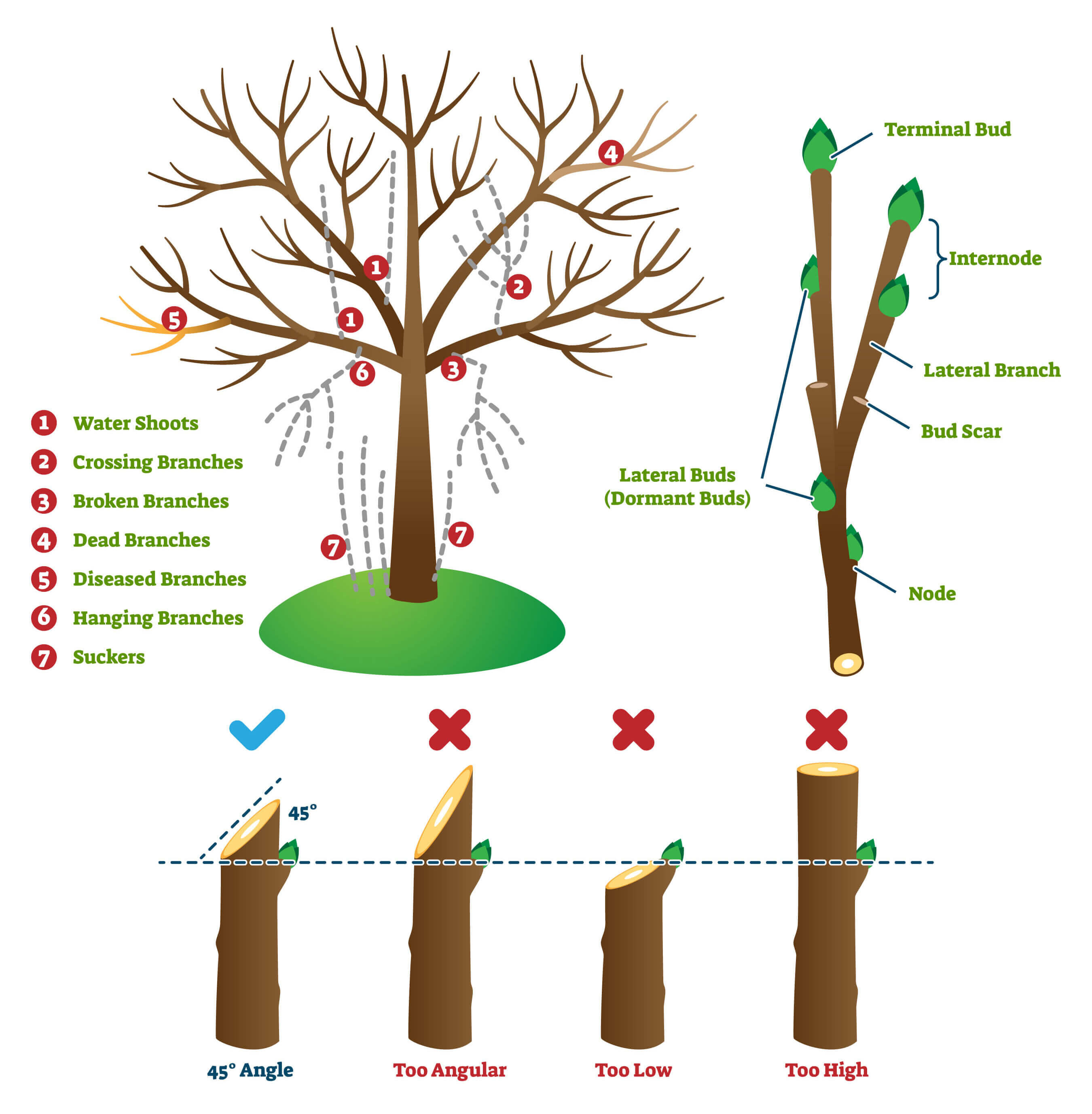
- Make the Cut: Using your pruning shears or knife, make a clean cut at the base of the leaf stem, close to the main stem of the plant. Avoid tearing the stem, as this can create an entry point for disease.
- Remove Suckers: Suckers are small shoots that grow from the base of the plant. These suckers divert energy away from fruit production, so remove them as soon as you see them.
- Thin Out Leaves Around Fruits: Once fruits start to develop, thin out some of the leaves around them to allow for better sunlight penetration and air circulation.
- Don't Overdo It: It's important not to remove too many leaves at once. A good rule of thumb is to remove no more than one-third of the plant's foliage at any given time. Over-pruning can stress the plant and reduce fruit production.
Tips for Successful Pruning
- Prune in the Morning: Pruning in the morning allows the cuts to dry out during the day, reducing the risk of fungal infection.
- Sanitize Your Tools: Before and after pruning, sanitize your tools with a solution of 1 part bleach to 9 parts water to prevent the spread of disease.
- Dispose of Prunings Properly: Do not compost diseased leaves. Dispose of them in a sealed bag to prevent the spread of disease to other plants. Healthy leaves can be composted.
Common Mistakes to Avoid When Pruning
While pruning is generally beneficial, it's essential to avoid common mistakes that can harm your plants.
Over-Pruning
As mentioned earlier, over-pruning can stress the plant and reduce fruit production. Remember the one-third rule and avoid removing too much foliage at once. Think of it as a gradual process, rather than a drastic makeover.
Pruning Too Early
Pruning too early in the season can stunt the plant's growth. Allow the plant to establish itself before you start removing leaves.
Using Dull Tools
Dull tools can tear the plant's stems, creating an entry point for disease. Always use sharp, clean pruning shears or a knife. Sharpen your tools regularly to ensure clean cuts.
Ignoring Disease
Ignoring signs of disease and failing to prune affected leaves can allow the disease to spread to the entire plant and even to other plants in your garden. Regularly inspect your plants for signs of disease and prune affected leaves promptly.
Beyond the Basics: Advanced Pruning Techniques
For the more experienced gardener, there are a few advanced pruning techniques that can further enhance fruit production.
Removing Male Flowers
Squash plants produce both male and female flowers. Only the female flowers produce fruit. Male flowers are necessary for pollination, but once the female flowers have been pollinated, the male flowers are no longer needed. Removing excess male flowers can redirect the plant's energy towards fruit development. You can easily identify male flowers by their long, thin stems.
Pinching Off Growing Tips
Pinching off the growing tips of the main stem can encourage the plant to produce more side shoots, which can lead to a bushier plant and increased fruit production. This technique is particularly useful for bush varieties of zucchini and squash.
Leaf Removal for Fruit Ripening
As fruits mature, you can remove a few of the leaves that are directly shading the fruit. This allows for better sunlight penetration and can accelerate ripening. Be careful not to expose the fruit to too much direct sunlight, as this can cause sunburn.
Conclusion
Pruning zucchini and squash plants is a simple yet effective way to improve plant health, increase fruit production, and make harvesting easier. By following these guidelines, you can transform your overgrown plants into thriving, productive powerhouses and enjoy a bountiful harvest of delicious zucchini and squash. So, grab your pruning shears and get ready to unleash the full potential of your garden!