Have you ever looked at your zucchini plant, overflowing with summer squash, and wondered if you could use more than just the fruit? You might be surprised to learn that there's a lesser-known edible part: the stalk! Yes, that sturdy stem supporting your prolific zucchini can be a delicious addition to your kitchen creations, reducing waste and adding a unique flavor to your meals. Exploring the Edibility of Zucchini Plant Stalk Many gardeners are familiar with the delight of harvesting fresh zucchini, but few consider the potential of the zucchini plant stalk. Understanding the nutritional value, preparation techniques, and safety considerations surrounding zucchini stalks can unlock a whole new culinary dimension for your garden bounty. So, is the zucchini stalk edible? The short answer is yes, but with a few important caveats. We need to consider the age of the plant and potential bitterness. Mature zucchini stalks, especially those from older plants,...
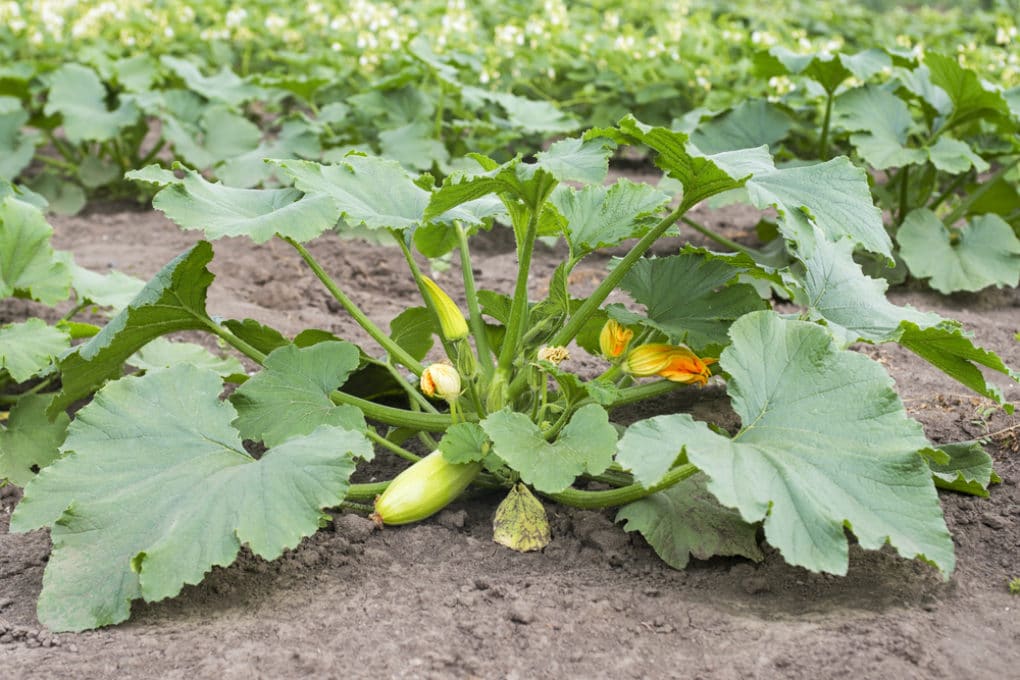
Ever wondered if you could just take a zucchini from the grocery store, or one that got a little too big in your garden, and magically turn it into more zucchini plants? It sounds like something out of a fairytale, right? Well, while you can't directly clone a zucchini from a zucchini in the way you might be imagining, there are definitely ways to propagate new zucchini plants and get more of those delicious summer squashes!
Understanding Zucchini and Seed Saving
First, it's important to understand a little about zucchini and how it grows. Zucchini, like all squash, is an annual plant. This means it completes its life cycle in one growing season. We typicallyplant zucchini from seeds, which are formed inside the fruit after pollination. So, while you can't just stick a piece of zucchini in the ground and expect it to grow, youcanharvest and save the seeds from a zucchini and use those to grow new plants.
Saving Seeds From Zucchini
Saving seeds from your own zucchini is a great way to ensure you have a supply of seeds for future plantings. However, there are a few things to keep in mind. Hybrid varieties, which are very common in grocery stores and gardens, may not "come true" from seed. This means that the plants grown from these seeds might not produce fruit that is exactly the same as the parent plant. You might get a similar zucchini, or you might get something completely different! Open-pollinated or heirloom varieties are more reliable for seed saving, as they tend to breed true. If you are unsure which shears to buy, theFiskars Bypass Pruning Shears with a 5/8-inch cut capacity are great for cutting stems. You can find these garden clippers with sharp, rust-resistant steel blades here:https://amzn.to/4i LKbs8.
Here's how to save zucchini seeds:
- Select a mature zucchini: Choose a zucchini that has been allowed to grow larger than you would normally eat it. It should be almost at the point of being overripe. This ensures the seeds are fully developed.
- Cut it open: Carefully cut the zucchini open and scoop out the seeds and surrounding pulp.
- Separate the seeds: Rinse the seeds under running water to remove as much of the pulp as possible. This can be a bit messy!
- Ferment (Optional but Recommended): Place the seeds and some water in a jar and let them ferment for 2-3 days. This helps to remove the gelatinous coating around the seeds and inhibits seed-borne diseases. Stir the mixture daily. You'll notice a scum forming on top.
- Rinse and Dry: After fermentation (or if you skipped that step), thoroughly rinse the seeds until they are clean. Spread them out in a single layer on a paper towel or screen to dry.
- Dry Completely: Allow the seeds to dry completely in a well-ventilated area. This can take a week or two. Make sure they are completely dry to prevent mold growth.
- Store Properly: Once the seeds are dry, store them in an airtight container in a cool, dark, and dry place. A jar in the refrigerator or freezer works well. Properly stored zucchini seeds can remain viable for several years.
Growing Zucchini From Saved Seeds
Now that you have your saved zucchini seeds, you can plant them to grow new zucchini plants! Here's a guide to successfully planting zucchini from seed:
Timing is Key
Zucchini is a warm-season crop and needs warm soil to germinate and thrive.Plant zucchini seedsdirectly in the garden after all danger of frost has passed and the soil has warmed to at least 60°F (15°C). You can also start seeds indoors 2-4 weeks before the last expected frost. Starting indoors gives you a head start on the growing season, especially in colder climates.
Direct Sowing
Direct sowing is the process of planting seeds directly into the garden soil. Here's how to do it:
- Prepare the soil: Choose a sunny location with well-drained soil. Amend the soil with compost or other organic matter to improve fertility and drainage.
- Sow the seeds: Plant zucchini seeds about 1 inch deep and 2-3 feet apart. Zucchini plants need plenty of space to grow.
- Water well: Water the soil thoroughly after planting. Keep the soil consistently moist, but not waterlogged, until the seedlings emerge.
- Thin seedlings: Once the seedlings have emerged and have a few true leaves, thin them to one plant per hill. This will ensure that each plant has enough room to grow and thrive.
Starting Seeds Indoors
Starting seeds indoors allows you to get a jump start on the growing season, especially in areas with short summers.
- Use seed starting mix: Fill seed starting trays or pots with a good quality seed starting mix. Regular potting soil can be too heavy for young seedlings.
- Sow the seeds: Plant zucchini seeds about 1 inch deep in the seed starting mix.
- Water gently: Water the seed starting mix gently to moisten it. Avoid overwatering, which can lead to damping-off disease.
- Provide warmth and light: Place the seed starting trays or pots in a warm location, such as on top of a refrigerator or on a heat mat. Provide plenty of light, either from a sunny window or from grow lights.
- Harden off seedlings: Before transplanting the seedlings outdoors, gradually acclimate them to outdoor conditions. This process, called hardening off, involves exposing the seedlings to increasing amounts of sunlight and wind over a period of 7-10 days.
- Transplant carefully: Once the seedlings have been hardened off and the weather is warm enough, transplant them into the garden. Space them 2-3 feet apart.
Tips for Growing Healthy Zucchini Plants From Seed
Here are some additional tips for growing healthy zucchini plants:
- Provide plenty of sunlight: Zucchini plants need at least 6 hours of sunlight per day.
- Water regularly: Water deeply and regularly, especially during hot, dry weather. Avoid watering from overhead, as this can promote fungal diseases.
- Fertilize: Feed your zucchini plants with a balanced fertilizer every few weeks.
- Control pests and diseases: Monitor your plants regularly for pests and diseases. Common pests include squash bugs, squash vine borers, and aphids. Common diseases include powdery mildew and blossom end rot. Take appropriate measures to control pests and diseases as needed.
- Harvest regularly: Harvest zucchini fruits when they are young and tender, typically about 6-8 inches long. Regular harvesting encourages the plant to produce more fruit.
Troubleshooting Common Issues When Planting Zucchini From Zucchini Seed
Even with the best care, you might encounter some problems whenplanting zucchini from saved zucchini seeds. Here are some common issues and how to address them:
- Poor Germination: If your seeds aren't germinating, make sure the soil temperature is warm enough (above 60°F). Also, ensure the seeds are viable and haven't been stored improperly. Old seeds may have a lower germination rate.
- Damping-Off: This fungal disease can kill young seedlings. To prevent it, use a sterile seed starting mix, avoid overwatering, and provide good ventilation.
- Blossom End Rot: This condition causes the ends of the zucchini to rot. It's usually caused by a calcium deficiency in the soil or inconsistent watering. Add calcium to the soil and water regularly.
- Pests: Squash bugs and squash vine borers can be devastating to zucchini plants. Inspect your plants regularly and take action to control these pests. Row covers can also help to prevent infestations.
- Powdery Mildew: This fungal disease causes a white, powdery coating on the leaves. Improve air circulation around the plants and consider using a fungicide if the problem is severe.
By following these tips, you can successfullyplant zucchini from zucchini seeds and enjoy a bountiful harvest of delicious summer squash! With a little patience and effort, you can turn those saved seeds into a garden full of zucchini!