Have you ever looked at your zucchini plant, overflowing with summer squash, and wondered if you could use more than just the fruit? You might be surprised to learn that there's a lesser-known edible part: the stalk! Yes, that sturdy stem supporting your prolific zucchini can be a delicious addition to your kitchen creations, reducing waste and adding a unique flavor to your meals. Exploring the Edibility of Zucchini Plant Stalk Many gardeners are familiar with the delight of harvesting fresh zucchini, but few consider the potential of the zucchini plant stalk. Understanding the nutritional value, preparation techniques, and safety considerations surrounding zucchini stalks can unlock a whole new culinary dimension for your garden bounty. So, is the zucchini stalk edible? The short answer is yes, but with a few important caveats. We need to consider the age of the plant and potential bitterness. Mature zucchini stalks, especially those from older plants,...
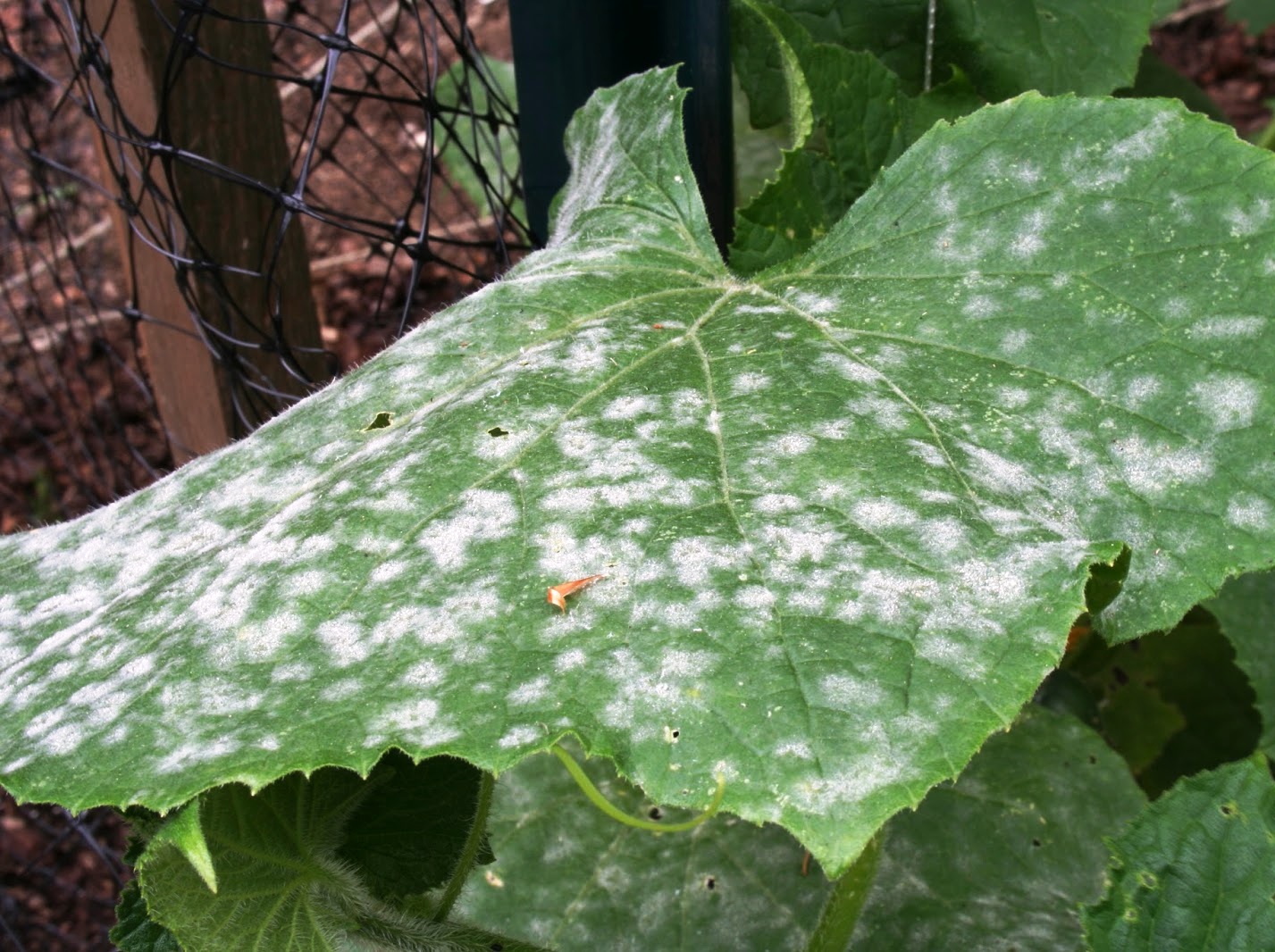
Oh no, it's happened again! You've lovingly nurtured your zucchini plants, eagerly anticipating a summer bounty of delicious squash, only to discover a disheartening sight: a powdery, white coating spreading across the leaves. It's the dreaded powdery mildew, and it can quickly turn a promising harvest into a frustrating struggle. But don't despair! With the right knowledge and a little bit of action, you can combat this common garden pest and get back on track to enjoying those zucchini recipes you've been dreaming about.
Understanding Powdery Mildew on Zucchini Plants
Powdery mildew isn't a single disease, but rather a group of fungal diseases that affect a wide variety of plants, including our beloved zucchini. Several different species of fungi can cause powdery mildew on zucchini, but the symptoms are typically the same: a white or grayish powdery growth on the surfaces of leaves, stems, and sometimes even the fruit. While it might look like someone sprinkled flour on your plants, it's anything but harmless. Left unchecked, powdery mildew can weaken your zucchini plants, reducing their yield and making them more susceptible to other diseases and pests.
So, what makes zucchini plants so vulnerable to this fungal foe? Several factors can contribute to the development and spread of powdery mildew:
- Humidity: While powdery mildew doesn't require standing water, high humidity levels create a favorable environment for fungal spores to germinate and spread. Think of those warm, humid summer evenings – perfect for mildew to thrive.
- Poor Air Circulation: Densely planted zucchini patches limit air flow, trapping moisture and creating a breeding ground for the fungus. Overcrowding prevents sunlight from reaching all parts of the plant, further exacerbating the problem.
- Temperature: Powdery mildew thrives in temperatures between 60°F and 80°F (15°C and 27°C). Hot, dry days followed by cool, humid nights are particularly conducive to its development.
- Nutrient Imbalance: Plants that are stressed due to nutrient deficiencies or imbalances are more susceptible to disease. Over-fertilizing with nitrogen can also encourage lush foliage that is more vulnerable to mildew.
- Overhead Watering: While zucchini plants need regular watering, avoid wetting the foliage, especially in the evening. Wet leaves create an ideal environment for powdery mildew spores to germinate.
Identifying Powdery Mildew on Your Zucchini
Early detection is key to effectively managing powdery mildew. Here's what to look for:
- White or Gray Powdery Spots: The most obvious sign is the appearance of small, white or gray powdery spots on the upper surfaces of leaves. These spots can eventually spread to cover the entire leaf surface, as well as stems and fruit.
- Yellowing Leaves: As the mildew progresses, the affected leaves may turn yellow or brown and eventually die.
- Stunted Growth: Severe infestations can stunt the growth of the plant and reduce fruit production.
- Deformed Fruit: In some cases, powdery mildew can even affect the fruit, causing it to become deformed or develop a powdery coating.
How to Confirm it's Powdery Mildew
While the visual symptoms are usually pretty clear, you can confirm your suspicions with a simple test. Gently rub the affected area with your finger. If it's powdery mildew, the white coating will easily rub off. However, be careful not to confuse powdery mildew with other fungal diseases, such as downy mildew, which can have a similar appearance. Downy mildew typically appears as yellow spots on the upper surface of leaves, with a fuzzy gray or purple growth on the underside. It's essential to correctly identify the disease to choose the appropriate treatment.
Treating and Preventing Powdery Mildew on Zucchini Plants
Once you've identified powdery mildew on your zucchini plants, it's time to take action. While it can be difficult to completely eradicate the disease, you can effectively manage it and prevent it from spreading. Here's a multi-pronged approach to treating and preventing powdery mildew:
Cultural Practices for Managing Powdery Mildew on Zucchini
These are preventative measures that you can take.
- Improve Air Circulation: Thin out your zucchini plants to allow for better air circulation. Remove any dead or dying leaves, and prune back dense foliage.
- Water Properly: Water zucchini plants at the base of the plant to avoid wetting the leaves. Water in the morning so the leaves have time to dry before nightfall.
- Provide Adequate Sunlight: Zucchini plants need at least 6 hours of sunlight per day. Ensure that your plants are located in a sunny spot.
- Fertilize Properly: Avoid over-fertilizing with nitrogen, which can promote lush foliage that is more susceptible to mildew. Use a balanced fertilizer that is appropriate for zucchini plants.
- Remove Infected Leaves: As soon as you notice signs of powdery mildew, remove the affected leaves and dispose of them properly. Do not compost them, as this can spread the disease. Use a pair of sharp pruning shears, like the Fiskars Bypass Pruning Shears for precise and clean cuts, helping to prevent further spread of the disease. You can find this rust-resistant gardening scissor set here: https://amzn.to/4i LKbs8.
Organic Treatments for Powdery Mildew
For those looking for natural ways to combat powdery mildew, there are several effective organic treatments available:
- Neem Oil: Neem oil is a natural fungicide and insecticide that can help control powdery mildew. Apply neem oil to the affected plants according to the manufacturer's instructions. Be sure to apply it in the evening or early morning to avoid burning the leaves.
- Baking Soda Solution: A baking soda solution can help raise the p H level on the leaf surface, making it less hospitable to powdery mildew. Mix 1 tablespoon of baking soda with 1 gallon of water and a few drops of dish soap. Spray the solution on the affected plants, making sure to cover all surfaces.
- Milk Spray: Milk contains proteins that can act as a natural fungicide. Mix 1 part milk with 9 parts water and spray the solution on the affected plants. Apply the milk spray every week or two.
- Copper Fungicides: Copper-based fungicides are another effective organic option for controlling powdery mildew. However, use copper fungicides with caution, as excessive use can harm beneficial soil organisms.
Conventional Fungicides for Powdery Mildew on Zucchini Plants
If organic methods are not effective, you may need to resort to conventional fungicides. There are many different fungicides available that are effective against powdery mildew. Be sure to read the label carefully and follow the manufacturer's instructions. Remember to alternate fungicides to prevent the fungus from developing resistance. Also, consider the environmental impact of using chemical fungicides. Always use them responsibly.
Choosing Powdery Mildew Resistant Zucchini Varieties
One of the best ways to prevent powdery mildew is to choose zucchini varieties that are resistant to the disease. Several zucchini varieties have been bred for powdery mildew resistance, making them less susceptible to infection. Here are a few popular options:
- Astia: This Italian zucchini variety is known for its high yields and excellent resistance to powdery mildew.
- Parthenon: Parthenon is a hybrid zucchini variety that is highly productive and offers good resistance to powdery mildew.
- Dunja: This variety is another good option with moderate resistance to powdery mildew and reliable yields.
When selecting zucchini varieties, check seed catalogs or consult with your local nursery to find varieties that are specifically bred for powdery mildew resistance in your area. Remember that even resistant varieties can still be affected by powdery mildew under severe conditions, so it's still important to practice good cultural practices and monitor your plants regularly.
Don't Let Powdery Mildew Ruin Your Zucchini Harvest
Powdery mildew can be a frustrating problem for zucchini growers, but it doesn't have to ruin your harvest. By understanding the disease, implementing preventive measures, and treating infestations promptly, you can keep your zucchini plants healthy and productive. So, don't give up on your zucchini dreams! With a little bit of effort, you can enjoy a bountiful harvest of delicious zucchini all summer long.