Have you ever looked at your zucchini plant, overflowing with summer squash, and wondered if you could use more than just the fruit? You might be surprised to learn that there's a lesser-known edible part: the stalk! Yes, that sturdy stem supporting your prolific zucchini can be a delicious addition to your kitchen creations, reducing waste and adding a unique flavor to your meals. Exploring the Edibility of Zucchini Plant Stalk Many gardeners are familiar with the delight of harvesting fresh zucchini, but few consider the potential of the zucchini plant stalk. Understanding the nutritional value, preparation techniques, and safety considerations surrounding zucchini stalks can unlock a whole new culinary dimension for your garden bounty. So, is the zucchini stalk edible? The short answer is yes, but with a few important caveats. We need to consider the age of the plant and potential bitterness. Mature zucchini stalks, especially those from older plants,...
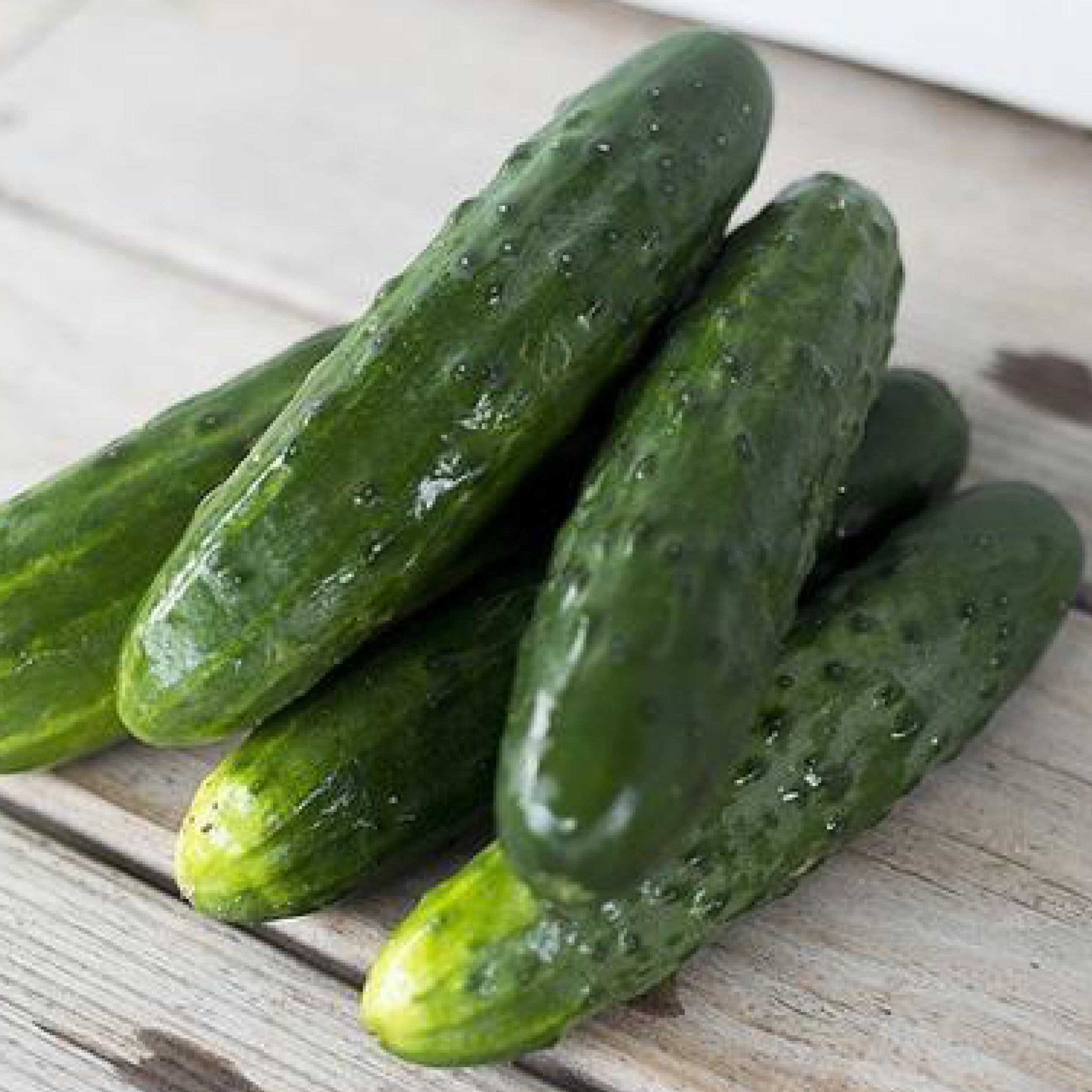
Have you ever gazed upon your garden plot and wondered, "Can these two seemingly similar veggies coexist in harmony?" The question of whether to plant cucumbers and zucchini together is a common one for gardeners, both novice and experienced. The answer, as with many things in gardening, isn't a simple yes or no. It's more like a "yes, but with a few caveats!" Let's delve into the fascinating world of companion planting and explore the ins and outs of growing cucumbers and zucchini together.
The Compatibility of Cucumbers and Zucchini in Your Garden
At first glance, cucumbers and zucchini appear to be kindred spirits. Both are members of the Cucurbitaceae family, love sunshine, and produce abundantly during the warm summer months. This familial connection leads many to believe they are perfect companions. And in some ways, they are. However, their shared needs and vulnerabilities can also lead to competition and increased susceptibility to pests and diseases. Understanding these factors is crucial for successful coexistence.
Understanding the Needs of Cucumbers and Zucchini
Before we get into the nitty-gritty of planting cucumbers and zucchini together, let's examine their individual needs. Knowing what each plant requires for optimal growth is essential for mitigating potential conflicts. Here’s a brief overview:
- Sunlight: Both cucumbers and zucchini are sun-worshippers, requiring at least 6-8 hours of direct sunlight per day. Insufficient sunlight can lead to reduced yields and increased susceptibility to diseases.
- Water: Consistent moisture is crucial for both plants, especially during fruit development. Aim for about 1 inch of water per week, delivered evenly. Drip irrigation is an excellent method to avoid wetting the foliage and reducing the risk of fungal diseases.
- Soil: Well-drained soil rich in organic matter is ideal for both cucumbers and zucchini. A soil p H between 6.0 and
6.8 is optimal. Amending the soil with compost or well-rotted manure before planting can significantly improve growth.
- Nutrients: Both crops are heavy feeders, requiring ample nutrients to support their rapid growth and prolific fruit production. A balanced fertilizer, such as a 10-10-10 or 14-14-14, applied according to package directions, can help ensure adequate nutrient availability.
- Spacing: This is where things get a little tricky. Zucchini plants tend to be bushier and more sprawling than cucumber plants (especially vining varieties), potentially shading out their neighbors. Proper spacing is crucial.
Potential Benefits of Companion Planting Cucumbers and Zucchini
While competition is a concern, planting cucumbers and zucchini together can offer some benefits if done strategically. One key advantage is space optimization. If you have a small garden, companion planting allows you to maximize your yield from a limited area. By carefully planning the layout and providing adequate support (especially for vining cucumbers), you can effectively manage the space.
Both cucumbers and zucchini attract pollinators like bees and butterflies, which can benefit each other. The vibrant blossoms of both plants serve as a beacon for these essential insects, ensuring better pollination and, consequently, a more abundant harvest. This shared attraction to pollinators reduces the need for manual pollination and enhances overall fruit production.
Potential Drawbacks of Planting Cucumbers and Zucchini Together
The main drawback is competition for resources, especially sunlight, water, and nutrients. Zucchini plants can grow quite large and bushy, potentially shading out cucumber plants and hindering their growth. This is especially true for bush cucumber varieties, which may struggle to compete with the more aggressive zucchini. Vining cucumber varieties can be trained to climb trellises, giving them an advantage in terms of sunlight access, but even then, careful monitoring is required.
Furthermore, both cucumbers and zucchini are susceptible to similar pests and diseases, such as squash vine borers, squash bugs, cucumber beetles, powdery mildew, and downy mildew. Planting them together can create a breeding ground for these problems, making it easier for pests and diseases to spread rapidly throughout your garden. Regular monitoring, preventative measures, and prompt treatment are essential to minimize the impact of these issues.
Tips for Successfully Planting Cucumbers and Zucchini Together
If you're determined to plant cucumbers and zucchini together, here are some tips to increase your chances of success:
- Choose the Right Varieties: Opt for vining cucumber varieties that can be trained to climb a trellis or fence. This will keep them off the ground and allow them to receive ample sunlight, even when planted near bushier zucchini plants. Look for compact or bush zucchini varieties to minimize shading.
- Space Appropriately: Provide ample spacing between plants to minimize competition for sunlight and nutrients. As a general rule, space cucumber plants 12-24 inches apart and zucchini plants 24-36 inches apart. Adjust spacing based on the specific varieties you are growing.
- Provide Support: Use trellises, cages, or stakes to support vining cucumber plants and keep them off the ground. This will improve air circulation, reduce the risk of fungal diseases, and make harvesting easier.
- Monitor Regularly: Inspect your plants regularly for signs of pests and diseases. Early detection is crucial for effective treatment. Implement preventative measures, such as using row covers, insecticidal soap, or copper fungicide, as needed.
- Water and Fertilize Properly: Ensure that both cucumber and zucchini plants receive consistent moisture and adequate nutrients. Water deeply and regularly, especially during dry spells. Fertilize with a balanced fertilizer according to package directions.
- Rotate Crops: Avoid planting cucumbers and zucchini in the same location year after year. Crop rotation helps to reduce the buildup of pests and diseases in the soil.
Speaking of garden tools, it's always helpful to have the right tools for the job, and proper pruning is essential for healthy plants. For precise cuts, you might want to consider investing in a pair of Fiskars Bypass Pruning Shears with 5/8-Inch Cut Capacity Garden Clippers, Gardening Scissors with a Sharp, Rust Resistant Steel Blade. They’re perfect for trimming back excessive foliage and promoting better airflow! Check them out here: https://amzn.to/4i LKbs8.
Companion Plants to Consider
While you're considering companion planting, it's worth noting that some plants make excellent companions for both cucumbers and zucchini, regardless of whether they are planted together. These plants can help to deter pests, attract beneficial insects, or improve soil health.
- Marigolds: These bright and cheerful flowers are known for their ability to repel nematodes and other soil-borne pests.
- Nasturtiums: These edible flowers attract aphids, drawing them away from your cucumber and zucchini plants.
- Dill: This herb attracts beneficial insects, such as ladybugs and lacewings, which prey on aphids and other pests.
- Radishes: Plant radishes between cucumber and zucchini plants to deter squash vine borers.
- Beans and Peas: These legumes fix nitrogen in the soil, providing a natural source of fertilizer for your cucumbers and zucchini.
Case Study: A Gardener's Success Story
To illustrate the potential for successful companion planting, let's look at a hypothetical case study. Sarah, a passionate gardener with a small urban plot, decided to plant vining cucumbers and bush zucchini together in her raised beds. She carefully selected disease-resistant varieties, provided ample spacing between plants, and trained the cucumbers to climb a trellis. She also incorporated companion plants like marigolds and dill to deter pests and attract beneficial insects. Sarah diligently monitored her plants, watered them regularly, and fertilized them with a balanced organic fertilizer.
Despite facing challenges with powdery mildew and squash bugs, Sarah was able to manage these issues with regular applications of neem oil and handpicking of pests. Ultimately, she enjoyed a bountiful harvest of both cucumbers and zucchini. Sarah's success demonstrates that with careful planning, diligent monitoring, and proactive management, it is indeed possible to plant cucumbers and zucchini together and achieve a productive and rewarding garden.
Conclusion: Is Planting Cucumbers and Zucchini Together Right for You?
The decision of whether or not to plant cucumbers and zucchini together ultimately depends on your individual circumstances, including your garden size, climate, experience level, and tolerance for risk. If you're willing to put in the extra effort to provide adequate spacing, support, monitoring, and pest/disease management, you can certainly grow cucumbers and zucchini together successfully. However, if you're a beginner gardener or have limited time and resources, it may be easier to plant them separately. By understanding the needs and potential challenges of each plant, you can make an informed decision and create a thriving garden that yields a bountiful harvest.