Have you ever looked at your zucchini plant, overflowing with summer squash, and wondered if you could use more than just the fruit? You might be surprised to learn that there's a lesser-known edible part: the stalk! Yes, that sturdy stem supporting your prolific zucchini can be a delicious addition to your kitchen creations, reducing waste and adding a unique flavor to your meals. Exploring the Edibility of Zucchini Plant Stalk Many gardeners are familiar with the delight of harvesting fresh zucchini, but few consider the potential of the zucchini plant stalk. Understanding the nutritional value, preparation techniques, and safety considerations surrounding zucchini stalks can unlock a whole new culinary dimension for your garden bounty. So, is the zucchini stalk edible? The short answer is yes, but with a few important caveats. We need to consider the age of the plant and potential bitterness. Mature zucchini stalks, especially those from older plants,...
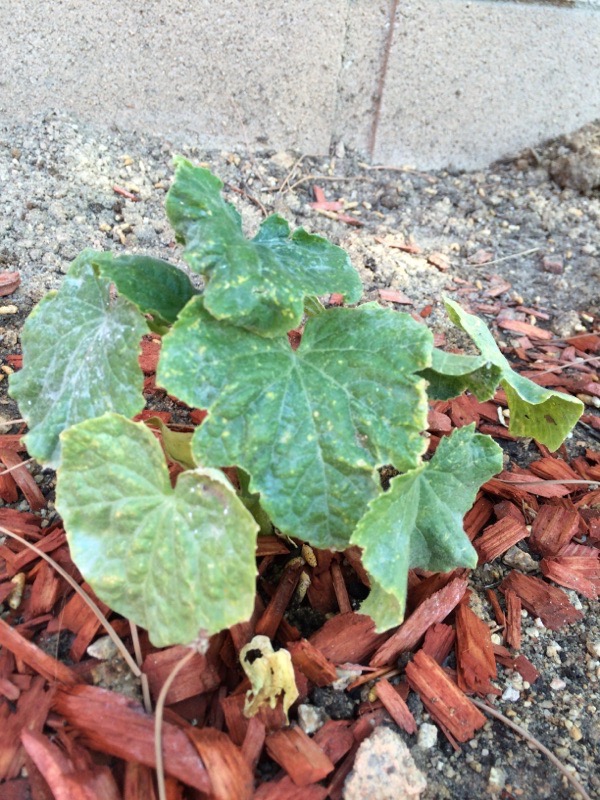
Have you ever lovingly tended your zucchini plants, eagerly anticipating a bountiful harvest, only to be greeted by a ghostly white dusting on their leaves? It’s a frustrating sight, and it probably means you’ve encountered the bane of many gardeners’ existence: powdery mildew.
What is Zucchini Plant Powdery Mildew?
Zucchini plant powdery mildew is a common fungal disease that affects a wide variety of plants, including our beloved zucchini. It’s caused by several different species of fungi, but the most common culprits belong to the Podosphaera xanthiiand Golovinomyces cichoracearumfamilies. These fungi thrive in warm, dry conditions with high humidity, making late summer and early fall particularly conducive to outbreaks. Though it might look like someone sprinkled flour on your plants, don't be fooled – this "flour" is actually millions of fungal spores ready to spread and wreak havoc on your zucchini patch.
How to Identify Powdery Mildew on Your Zucchini
Identifying powdery mildew is usually quite straightforward. The first sign is typically small, circular, white or grayish-white spots on the upper surface of the leaves. As the infection progresses, these spots enlarge and coalesce, eventually covering entire leaves, stems, and even the zucchini fruits themselves in a thick, powdery coating. Severely infected leaves may turn yellow, brown, and eventually die. While the disease rarely kills the entire plant, it weakens it, reducing fruit production and making it more susceptible to other diseases and pests. Keep a close eye on your zucchini plants, especially during humid weather, and inspect them regularly for any signs of this fungal foe. Early detection is key to effective control.
Understanding the Powdery Mildew Life Cycle and How it Spreads
Understanding the life cycle of powdery mildew is crucial for effective prevention and control. The fungal spores are spread by wind, splashing water, and even insects. These spores land on susceptible plant tissue, germinate, and penetrate the leaf surface. Once inside, the fungus extracts nutrients from the plant, leading to the characteristic white, powdery growth. The fungus then produces more spores, which are released into the air to infect other plants. The cycle can repeat itself rapidly, especially under favorable conditions. What's even more tricky, is that these spores can overwinter in plant debris or on nearby weeds, ready to re-infect your zucchini plants the following season. Therefore, proper sanitation and preventative measures are essential to break this cycle and protect your zucchini plants from recurring infections.
Factors Contributing to Zucchini Powdery Mildew
Several factors can contribute to the development and spread of powdery mildew on zucchini plants. Understanding these factors can help you create a less hospitable environment for the fungus and minimize the risk of infection.
Environmental Conditions that Favor Powdery Mildew
Powdery mildew thrives in specific environmental conditions. Unlike many other fungal diseases that prefer wet conditions, powdery mildew actually prefers warm, dry weather with high humidity. Confusing, right? While the leaves themselves don't need to be wet for infection to occur, high humidity around the plant creates the perfect environment for spore germination and spread. Poor air circulation also contributes to the problem by trapping moisture and creating a humid microclimate around the plants. Overcrowded plantings or plants located in shady areas are particularly susceptible. Dense foliage prevents air from circulating freely, leading to elevated humidity levels and increased risk of infection. Therefore, proper spacing and pruning can help improve air circulation and reduce the risk of powdery mildew on your zucchini plants. Here's a quick breakdown:
- Warm Temperatures: 60-80°F (15-27°C)
- Dry foliage
- High Humidity: Over 50%
- Poor Air Circulation
- Shady areas
Plant Health and Susceptibility to Powdery Mildew
The overall health of your zucchini plants also plays a significant role in their susceptibility to powdery mildew. Stressed or weakened plants are more vulnerable to infection. Factors such as nutrient deficiencies, lack of water, or insect infestations can weaken the plant's defense mechanisms, making it easier for the fungus to establish itself. Over-fertilizing with nitrogen can also contribute to the problem by promoting excessive foliage growth, which creates a dense canopy and reduces air circulation. Additionally, some zucchini varieties are simply more susceptible to powdery mildew than others. Choosing resistant varieties is an important step in preventing the disease. By maintaining healthy growing conditions and selecting resistant varieties, you can significantly reduce the risk of powdery mildew on your zucchini plants. You can try improving your garden tools. The Fiskars Bypass Pruning Shearsoffer sharp, rust-resistant steel blades ideal for promoting healthy growth by removing infected foliage. Find these gardening scissors with a 5/8-inch cut capacity here: https://amzn.to/4i LKbs8.
Prevention Strategies for Zucchini Plant Powdery Mildew
Prevention is always better than cure when it comes to powdery mildew. By implementing proactive measures, you can create a less favorable environment for the fungus and minimize the risk of infection.
Choosing Powdery Mildew Resistant Zucchini Varieties
One of the most effective ways to prevent powdery mildew is to choose zucchini varieties that are resistant to the disease. Many seed companies offer resistant cultivars that have been bred to withstand infection. Look for varieties with labels indicating resistance to powdery mildew, such as "PM Resistant" or "Powdery Mildew Tolerant." While resistant varieties may still develop some signs of the disease under severe conditions, they will generally be less affected and produce a better yield than susceptible varieties. Some popular resistant varieties include 'Astia,' 'Dunja,' 'Parthenon,' and 'Raven.' Researching and selecting resistant varieties is a simple yet powerful step in preventing powdery mildew on your zucchini plants. Always prioritize disease resistance when planning your zucchini garden. You can search for seeds online with these varieties.
Maintaining Proper Spacing and Air Circulation
Proper spacing and air circulation are crucial for preventing powdery mildew. Overcrowded plants create a humid microclimate that favors fungal growth. Ensure that your zucchini plants are spaced adequately to allow for good air circulation around the foliage. Follow the spacing recommendations provided on the seed packet or plant tag. Pruning can also help improve air circulation. Remove any crowded or overlapping leaves, especially those near the base of the plant. Prune selectively to maintain the plant's overall shape and productivity while improving airflow. By providing adequate space and pruning to improve air circulation, you can create a less hospitable environment for powdery mildew and reduce the risk of infection.
Watering Techniques to Minimize Leaf Wetness
While powdery mildew doesn't require wet leaves for infection, excessive leaf wetness can still contribute to the problem by increasing humidity around the plant. Avoid overhead watering, which wets the foliage and creates a favorable environment for fungal spores to germinate. Instead, water at the base of the plant, using a soaker hose or drip irrigation system. Water early in the day so that any accidental splashing on the leaves has time to dry before nightfall. By minimizing leaf wetness, you can help reduce humidity around the plant and decrease the risk of powdery mildew. Aim for consistent soil moisture without waterlogging, as both drought stress and excessive moisture can weaken the plant and make it more susceptible to disease.
Promoting Overall Plant Health and Vigor
Healthy, vigorous plants are more resistant to disease. Provide your zucchini plants with optimal growing conditions to promote their overall health and vigor. Ensure that they receive adequate sunlight, well-drained soil, and proper nutrition. Amend the soil with compost or other organic matter to improve its fertility and drainage. Fertilize regularly with a balanced fertilizer, following the instructions on the product label. Monitor the plants for signs of nutrient deficiencies and address them promptly. Protect the plants from pests and other diseases, as these can weaken them and make them more susceptible to powdery mildew. By creating a healthy growing environment and promoting overall plant health, you can significantly increase your zucchini plants' resistance to powdery mildew and other diseases.
Treating Zucchini Plant Powdery Mildew
Even with the best preventative measures, powdery mildew can still sometimes strike. If you notice signs of infection on your zucchini plants, prompt treatment is essential to prevent the disease from spreading and minimizing its impact on your harvest.
Organic Treatment Options for Powdery Mildew
There are several organic treatment options available for controlling powdery mildew on zucchini plants. These treatments are generally safe for the environment and pose minimal risk to beneficial insects and wildlife. Some popular organic options include:
- Neem Oil: Neem oil is a natural fungicide and insecticide that can effectively control powdery mildew. Apply neem oil according to the product label, ensuring that you coat all affected plant parts thoroughly.
- Baking Soda Solution: A solution of baking soda and water can help inhibit the growth of powdery mildew. Mix 1 tablespoon of baking soda with 1 gallon of water and add a few drops of liquid soap as a surfactant. Spray the solution on affected plants, making sure to cover all surfaces.
- Potassium Bicarbonate: Similar to baking soda, potassium bicarbonate can help control powdery mildew. It works by altering the p H on the leaf surface, making it less favorable for fungal growth.
- Milk Spray: Believe it or not, milk can be an effective treatment for powdery mildew. Mix 1 part milk with 9 parts water and spray the solution on affected plants. The proteins in the milk are thought to have antifungal properties.
When using any organic treatment, it's important to follow the instructions on the product label carefully and to repeat the application as needed. It's also a good idea to test the treatment on a small area of the plant first to ensure that it doesn't cause any adverse reactions.
Chemical Fungicides for Severe Infections of Zucchini Powdery Mildew
In severe cases of powdery mildew, chemical fungicides may be necessary to control the infection. However, it's important to use these products judiciously and to follow the instructions on the product label carefully. Choose a fungicide that is specifically labeled for use on zucchini plants and is effective against powdery mildew. Some common chemical fungicides include:
- Chlorothalonil: Chlorothalonil is a broad-spectrum fungicide that can be effective against a wide range of fungal diseases, including powdery mildew.
- Myclobutanil: Myclobutanil is a systemic fungicide that can be absorbed by the plant and provide long-lasting protection against powdery mildew.
- Copper-based fungicides: Copper-based fungicides can be effective against powdery mildew, but they can also be toxic to plants if used improperly. Follow the instructions on the product label carefully.
When using chemical fungicides, it's important to wear appropriate protective clothing, such as gloves and a mask, and to avoid spraying on windy days to prevent drift. Be sure to follow all safety precautions listed on the product label. Also, consider the impact of chemical fungicides on beneficial insects and wildlife. Use them as a last resort and only when necessary to prevent severe damage to your zucchini plants.
Proper Application Techniques for Powdery Mildew Treatments
Regardless of whether you're using organic or chemical treatments, proper application techniques are essential for maximizing their effectiveness. Here are some tips for applying powdery mildew treatments to your zucchini plants:
- Apply treatments early in the morning or late in the evening: This will minimize the risk of leaf burn from the sun.
- Spray all affected plant parts thoroughly: Make sure to cover both the upper and lower surfaces of the leaves, as well as the stems and any affected fruits.
- Repeat applications as needed: Powdery mildew treatments typically need to be repeated every 7-10 days, or more frequently in severe cases. Follow the instructions on the product label for specific recommendations.
- Rotate treatments: To prevent the fungus from developing resistance to a particular treatment, it's a good idea to rotate between different fungicides or organic treatments.
- Clean your tools: After treating your zucchini plants, clean your sprayers and other tools thoroughly to prevent the spread of powdery mildew to other plants.
By following these application techniques, you can increase the effectiveness of your powdery mildew treatments and help keep your zucchini plants healthy and productive.
Post-Harvest Management and Prevention for Next Season
The fight against powdery mildew doesn't end with the harvest. Proper post-harvest management is essential for preventing the disease from recurring in future seasons.
Removing and Disposing of Infected Plant Debris
After harvesting your zucchini, it's important to remove and dispose of any infected plant debris. Powdery mildew spores can overwinter in plant debris, ready to re-infect your plants the following season. Collect all fallen leaves, stems, and any other plant material that shows signs of powdery mildew and dispose of it properly. Do not compost infected plant debris, as the spores may survive the composting process and spread the disease. Instead, burn the debris or dispose of it in a sealed plastic bag. Cleaning up infected plant debris is a simple yet effective way to reduce the risk of powdery mildew in your zucchini patch next year.
Soil Solarization to Reduce Fungal Spores
Soil solarization is a technique that uses the sun's energy to heat the soil and kill fungal spores and other pathogens. This method can be particularly effective in reducing the population of powdery mildew spores in the soil. To solarize your soil, cover the area where your zucchini plants were growing with clear plastic sheeting. Bury the edges of the plastic to trap heat. Leave the plastic in place for several weeks during the hottest part of the summer. The heat generated under the plastic will kill many of the fungal spores and other pathogens in the soil. Soil solarization is a simple and effective way to sanitize your soil and reduce the risk of powdery mildew in future seasons.
Crop Rotation to Disrupt the Powdery Mildew Cycle
Crop rotation is another important strategy for preventing powdery mildew. Avoid planting zucchini in the same location year after year. Instead, rotate your crops so that zucchini is followed by plants from a different family. This will help disrupt the powdery mildew cycle and reduce the build-up of fungal spores in the soil. Good rotation crops for zucchini include legumes, such as beans or peas, or other vegetables that are not susceptible to powdery mildew. Crop rotation is a simple yet effective way to improve soil health and reduce the risk of disease in your garden. Be diligent with your garden tools as well, and always use a quality pruner to maintain the health of your plants. Using quality gardening scissors will help make sure you are reducing any potential diseases to your plants.
Sanitizing Tools and Equipment to Prevent Spreading Powdery Mildew
Finally, it's important to sanitize your tools and equipment to prevent the spread of powdery mildew. Fungal spores can cling to tools such as pruning shears, shovels, and watering cans, and can be easily spread to other plants. After working with infected plants, disinfect your tools with a solution of bleach and water (1 part bleach to 9 parts water). Soak the tools in the solution for at least 30 minutes, then rinse them thoroughly with clean water. Allow the tools to dry completely before storing them. Sanitizing your tools is a simple yet essential step in preventing the spread of powdery mildew and other diseases in your garden.