Have you ever looked at your zucchini plant, overflowing with summer squash, and wondered if you could use more than just the fruit? You might be surprised to learn that there's a lesser-known edible part: the stalk! Yes, that sturdy stem supporting your prolific zucchini can be a delicious addition to your kitchen creations, reducing waste and adding a unique flavor to your meals. Exploring the Edibility of Zucchini Plant Stalk Many gardeners are familiar with the delight of harvesting fresh zucchini, but few consider the potential of the zucchini plant stalk. Understanding the nutritional value, preparation techniques, and safety considerations surrounding zucchini stalks can unlock a whole new culinary dimension for your garden bounty. So, is the zucchini stalk edible? The short answer is yes, but with a few important caveats. We need to consider the age of the plant and potential bitterness. Mature zucchini stalks, especially those from older plants,...
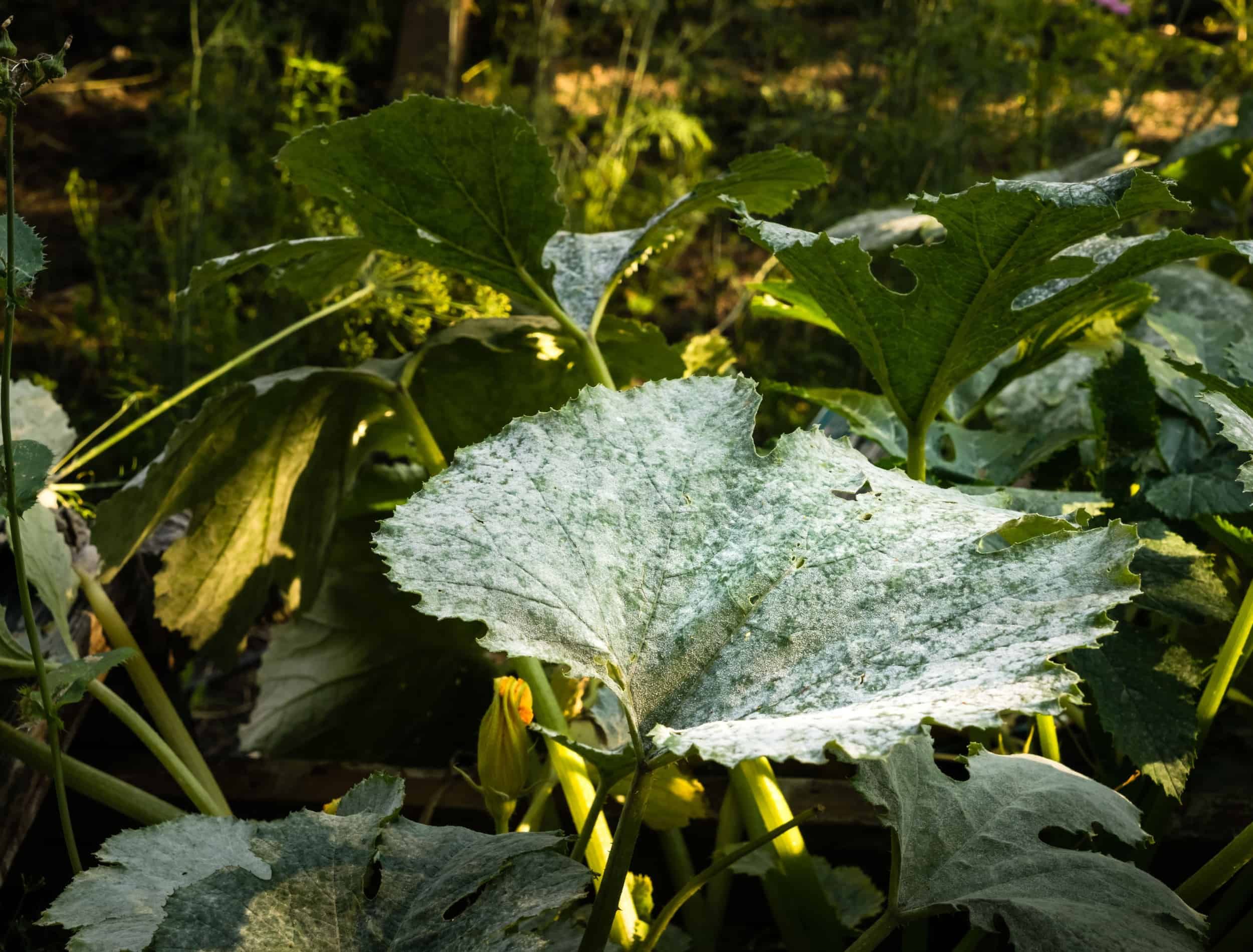
Seeing your zucchini plant leaves turning white can be alarming, especially when you’re anticipating a bountiful harvest. It’s a sign that something isn’t quite right, and understanding the cause is the first step to getting your plant back on track. Don't panic! Often, this discoloration is treatable, and with a little detective work, you can restore your zucchini to its vibrant green glory.
Understanding Why Zucchini Plant Leaves Turn White
The appearance of white spots or a general whitening on your zucchini plant's leaves can be attributed to a few different factors. Let's explore the most common culprits, from fungal diseases to environmental stressors, and how to identify them.
Powdery Mildew: The Primary Suspect for White Leaves on Zucchini Plants
Without a doubt, the most frequent cause of zucchini plant leaves turning white is powdery mildew. This fungal disease thrives in humid conditions with poor air circulation. It's easily recognizable by the white, powdery substance that covers the leaves, stems, and sometimes even the fruit. It looks like someone sprinkled flour on your plant! While powdery mildew doesn't usually kill the plant outright, it can weaken it significantly, reducing fruit production and making it more susceptible to other problems.
Identifying Powdery Mildew on Zucchini
Early detection is key when dealing with powdery mildew. Look for these telltale signs:
- Small, circular, white spots on the upper surface of the leaves.
- These spots will gradually enlarge and merge, covering larger areas of the leaf.
- The white powdery substance can often be rubbed off, but it will return quickly.
- Severely affected leaves may turn yellow or brown and eventually die.
Factors Favoring Powdery Mildew Growth
Understanding what conditions promote powdery mildew can help you prevent it in the first place. Some key factors include:
- High Humidity: Powdery mildew thrives in humid environments.
- Poor Air Circulation: Overcrowding or lack of airflow around plants creates an ideal environment for the fungus to spread.
- Temperature Fluctuations: Wide swings in temperature can stress plants, making them more vulnerable.
- Overhead Watering: While counterintuitive, overhead watering can actuallyincreasehumidity around the leaves, promoting fungal growth.
- Plant Stress: Plants weakened by nutrient deficiencies, pest infestations, or drought are more susceptible.
Other Potential Causes of White Leaves on Zucchini
While powdery mildew is the most common reason your zucchini leaves might be turning white, there are other possibilities to consider. Ruling these out can help you pinpoint the exact problem and implement the most effective solution.
Sun Scald or Sunburn
Just like humans, plants can suffer from sunburn. This typically happens when plants are exposed to intense sunlight, especially after being moved from a shaded location or after a period of cloudy weather. Sun scald can cause white or bleached patches on the leaves, particularly on the upper surface. Here's how it differs from powdery mildew:
- Appearance: Sun scalded areas tend to be dry and papery, rather than powdery.
- Location: Sun scald typically affects the parts of the plant that are most exposed to direct sunlight.
- Absence of Powdery Substance: You won't find the characteristic white powder that's associated with powdery mildew.
Nutrient Deficiencies
Certain nutrient deficiencies can also lead to leaf discoloration. While not always resulting in a pure white, deficiencies in nutrients like magnesium, iron, or manganese can cause chlorosis, which is a yellowing of the leaves with green veins. In some cases, this yellowing can appear almost white, especially in the early stages. Soil testing is the best way to confirm a nutrient deficiency. Remember to use fertilizer that is specific for the plant you have.
Pest Infestations
While less common, heavy infestations of certain pests, such as spider mites or aphids, can sometimes cause leaves to appear pale or even whitish. These pests suck the sap from the leaves, weakening the plant and causing discoloration. Look closely at the undersides of the leaves for signs of pests. A magnifying glass can be helpful!
Viral Diseases
In rare cases, viral diseases can cause leaf discoloration, including white or yellow patches. These diseases are often spread by insects and can be difficult to treat. If you suspect a viral disease, it's best to consult with a local agricultural extension agent or plant pathologist.
Treating and Preventing White Leaves on Zucchini Plants
Once you've identified the cause of the white leaves, you can take steps to treat the problem and prevent it from recurring. Here's a breakdown of the most effective strategies:
Treating Powdery Mildew
There are several approaches to managing powdery mildew, ranging from natural remedies to chemical treatments. The best approach depends on the severity of the infestation and your personal preferences.
Natural Remedies for Powdery Mildew
- Baking Soda Spray: Mix 1 teaspoon of baking soda with 1 quart of water and a few drops of liquid soap (as a surfactant). Spray this solution on the affected leaves, making sure to coat both the upper and lower surfaces. Reapply every 7-10 days.
- Neem Oil: Neem oil is a natural fungicide and insecticide that can help control powdery mildew. Mix neem oil with water according to the manufacturer's instructions and spray on the affected plants.
- Milk Spray: Mix 1 part milk with 9 parts water and spray on the affected leaves. This is thought to create a protein barrier that inhibits fungal growth.
- Pruning: Remove and destroy any heavily infected leaves to prevent the spread of the fungus. Be sure to sanitize your pruning tools afterwards. Speaking of pruning tools, I always make sure to have a reliable pair handy, like these Fiskars Bypass Pruning Shears with their sharp, rust-resistant steel blades, they are a must have for any gardener! Check out the Fiskars garden clippers here.
Chemical Treatments for Powdery Mildew
If natural remedies aren't effective, you may need to resort to chemical fungicides. Look for fungicides that are specifically labeled for use on vegetables and that are effective against powdery mildew. Always follow the manufacturer's instructions carefully.
Some common fungicides for powdery mildew include:
- Sulfur-based fungicides
- Copper-based fungicides
- Systemic fungicides (these are absorbed by the plant and can provide longer-lasting protection)
Preventing Powdery Mildew and Other Leaf Problems
Prevention is always better than cure. Here are some steps you can take to prevent zucchini leaf problems in the first place:
- Choose Resistant Varieties: Select zucchini varieties that are known to be resistant to powdery mildew.
- Provide Good Air Circulation: Space plants adequately to allow for good airflow. Prune any overcrowded areas.
- Water Properly: Water at the base of the plant, avoiding overhead watering that can increase humidity. Water in the morning so that the leaves have time to dry before nightfall.
- Maintain Healthy Soil: Healthy soil is essential for healthy plants. Amend your soil with compost or other organic matter to improve drainage and nutrient content.
- Fertilize Appropriately: Avoid over-fertilizing, as this can make plants more susceptible to disease. Use a balanced fertilizer according to the manufacturer's instructions.
- Monitor Regularly: Inspect your plants regularly for signs of disease or pests. Early detection is key to preventing problems from escalating.
- Sanitize Your Tools: Clean your gardening tools regularly with a bleach solution to prevent the spread of disease.
By understanding the potential causes of white leaves on your zucchini plants and implementing these preventative measures, you can keep your plants healthy and productive, and enjoy a bountiful harvest!