Have you ever looked at your zucchini plant, overflowing with summer squash, and wondered if you could use more than just the fruit? You might be surprised to learn that there's a lesser-known edible part: the stalk! Yes, that sturdy stem supporting your prolific zucchini can be a delicious addition to your kitchen creations, reducing waste and adding a unique flavor to your meals. Exploring the Edibility of Zucchini Plant Stalk Many gardeners are familiar with the delight of harvesting fresh zucchini, but few consider the potential of the zucchini plant stalk. Understanding the nutritional value, preparation techniques, and safety considerations surrounding zucchini stalks can unlock a whole new culinary dimension for your garden bounty. So, is the zucchini stalk edible? The short answer is yes, but with a few important caveats. We need to consider the age of the plant and potential bitterness. Mature zucchini stalks, especially those from older plants,...
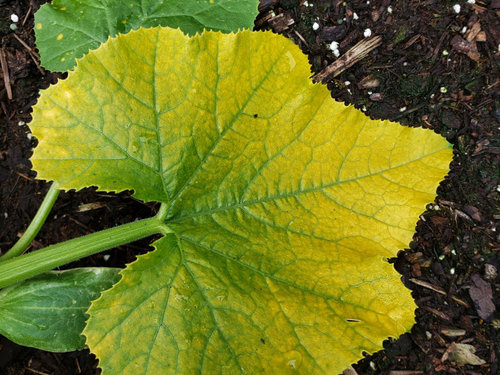
Seeing your zucchini plant, once vibrant and green, slowly turn yellow can be disheartening. It's like watching a friend feeling unwell, and you're desperate to help. But before you reach for the panic button, let's delve into the reasons why your zucchini leaves are turning yellow and, more importantly, how to bring your plant back to its flourishing best. We'll explore everything from common causes to practical solutions, ensuring you can identify the culprit and implement the right treatment.
Why Are My Zucchini Plant Leaves Turning Yellow? Understanding the Causes
Yellowing leaves, often referred to as chlorosis, are a common signal that something isn't quite right with your zucchini plant. It's not a disease in itself but rather a symptom of an underlying problem. Pinpointing the exact cause is crucial for effective treatment. Let's explore the most frequent reasons for zucchini leaves yellowing:
Nutrient Deficiencies: The Hunger Games of Your Garden
Just like humans, plants need a balanced diet to thrive. Nutrient deficiencies are a primary cause of yellowing leaves in zucchini plants. Specifically, a lack of nitrogen, magnesium, or iron can trigger chlorosis.
Nitrogen Deficiency: This is perhaps the most common culprit. Nitrogen is essential for chlorophyll production, which gives plants their green color. A nitrogen deficiency usually starts with older, lower leaves turning yellow first, eventually spreading upwards. The entire leaf might become uniformly yellow. Magnesium Deficiency: Magnesium is crucial for chlorophyll synthesis and enzyme activation. A magnesium deficiency typically manifests as yellowing between the veins of older leaves, while the veins themselves remain green. This is known as interveinal chlorosis. Iron Deficiency:Iron is vital for various plant processes, including chlorophyll formation. An iron deficiency also causes interveinal chlorosis, primarily affecting younger leaves. The leaves may appear pale yellow or even whitish, with prominent green veins.
Identifying the Deficiency:
Consider these factors when diagnosing a nutrient deficiency:
Which leaves are affected? Older leaves turning yellow first often indicates a mobile nutrient deficiency (nitrogen or magnesium), while younger leaves suggest an immobile nutrient deficiency (iron). Pattern of yellowing: Uniform yellowing points towards nitrogen deficiency, while interveinal chlorosis suggests magnesium or iron deficiency. Soil p H: High soil p H can reduce the availability of certain nutrients, like iron. Soil testing can help determine your soil's p H level and nutrient content.
Solutions:
Amend the soil: Add compost, well-rotted manure, or a balanced fertilizer to enrich the soil with essential nutrients. Use a targeted fertilizer: If you've identified a specific deficiency, use a fertilizer formulated for that nutrient (e.g., nitrogen-rich fertilizer for nitrogen deficiency, Epsom salts for magnesium deficiency, chelated iron for iron deficiency). Adjust soil p H:If the soil p H is too high, amend it with sulfur to lower it.
To prevent diseases while tending to your zucchini plants, make sure you have sharp tools. Consider investing inquality garden clippers like the Fiskars Bypass Pruning Shears, which have a 5/8-Inch Cut Capacity and sharp, rust-resistant steel blades. You can find them here:https://amzn.to/4i LKbs8.
Watering Issues: Too Much or Too Little
Water is life, but too much or too little can wreak havoc on your zucchini plants. Both overwatering and underwatering can lead to yellowing leaves.
Overwatering: When the soil is constantly saturated, the roots are deprived of oxygen. This leads to root rot, which impairs the plant's ability to absorb nutrients and water. Yellowing leaves are a common symptom of root rot. Other signs include wilting, stunted growth, and a foul smell emanating from the soil. Underwatering: Insufficient water stresses the plant, causing it to conserve resources by shedding leaves. The leaves will often turn yellow and crispy before falling off.
Identifying the Issue:
Check the soil moisture: Use your finger or a moisture meter to assess the soil's moisture level. The top inch of soil should be slightly moist but not soggy. Observe the leaves: Overwatered plants may have yellowing leaves that are soft and droopy, while underwatered plants may have yellowing leaves that are dry and crispy. Inspect the roots:Gently dig up a small portion of the plant's roots. Healthy roots are firm and white, while rotten roots are mushy and brown.
Solutions:
Improve drainage: If the soil is poorly draining, amend it with compost, perlite, or sand to improve aeration. Ensure that your pots or containers have drainage holes. Water deeply and less frequently: Water thoroughly when the top inch of soil feels dry, allowing the water to soak into the roots. Avoid frequent, shallow watering. Adjust watering based on weather:Water more frequently during hot, dry weather and less frequently during cool, rainy weather.
Pests and Diseases: Uninvited Guests in Your Zucchini Patch
Zucchini plants are susceptible to various pests and diseases that can cause yellowing leaves. Early detection and intervention are crucial to prevent widespread damage.
Squash Bugs: These sap-sucking insects can weaken the plant and cause leaves to turn yellow and wilt. Look for adult bugs, nymphs, and egg clusters on the underside of leaves. Squash Vine Borers: These pests tunnel into the stems of zucchini plants, disrupting the flow of water and nutrients. Infested plants may exhibit wilting, yellowing leaves, and a sawdust-like substance near the base of the stem. Powdery Mildew: This fungal disease appears as a white, powdery coating on the leaves. It can inhibit photosynthesis and cause the leaves to turn yellow and eventually die. Cucumber Mosaic Virus: This virus can cause yellowing, mottling, and distortion of the leaves. There is no cure for Cucumber Mosaic Virus, so prevention is key.
Identifying the Problem:
Inspect the plant closely: Look for signs of pests, such as insects, eggs, or webbing. Examine the leaves: Check for spots, lesions, or powdery coatings. Observe the plant's overall health:Look for signs of wilting, stunted growth, or unusual leaf patterns.
Solutions:
Handpick pests: Remove squash bugs, squash vine borers, and other pests by hand. Use insecticidal soap or neem oil: These organic insecticides can effectively control many common pests. Apply a fungicide: Use a fungicide specifically formulated for powdery mildew. Remove infected plants: If a plant is infected with Cucumber Mosaic Virus, remove it immediately to prevent the spread of the disease.
Natural Aging: A Normal Part of Life
It's important to remember that some yellowing of leaves is perfectly normal, especially towards the end of the growing season. As the plant ages, it naturally redirects its resources to fruit production, causing older leaves to gradually turn yellow and die. This is a natural process and shouldn't be a cause for concern unless it's happening prematurely or affecting a large number of leaves.
Identifying Natural Aging:
Yellowing is limited to older, lower leaves. The plant is otherwise healthy and producing fruit. The yellowing occurs towards the end of the growing season.
Solutions:
None needed. Simply remove the yellowed leaves to improve air circulation and prevent fungal diseases.
Preventing Yellowing Leaves on Zucchini Plants: Proactive Measures for a Healthy Garden
Prevention is always better than cure. By implementing these proactive measures, you can minimize the risk of yellowing leaves and ensure your zucchini plants thrive.
Soil Testing and Amendment
Regular soil testing is crucial for understanding your soil's nutrient content and p H level. Amend the soil with compost, well-rotted manure, or other organic matter to improve its fertility, drainage, and water-holding capacity. Aim for a soil p H between 6.0 and
7.5 for optimal zucchini growth.
Proper Watering Practices
Water deeply and less frequently, allowing the soil to dry slightly between waterings. Avoid overwatering, which can lead to root rot. Use a soaker hose or drip irrigation to deliver water directly to the roots, minimizing water loss through evaporation. Water early in the morning to allow the foliage to dry before nightfall, reducing the risk of fungal diseases.
Regular Pest and Disease Monitoring
Inspect your zucchini plants regularly for signs of pests and diseases. Early detection allows for prompt intervention, preventing widespread damage. Use organic pest control methods, such as handpicking, insecticidal soap, or neem oil. Choose disease-resistant varieties of zucchini whenever possible.
Crop Rotation
Avoid planting zucchini in the same location year after year. Crop rotation helps to prevent the buildup of soilborne pests and diseases. Rotate zucchini with other vegetables that are not susceptible to the same problems, such as legumes or leafy greens.
Proper Spacing and Air Circulation
Ensure that your zucchini plants have adequate spacing to allow for good air circulation. This helps to prevent fungal diseases and allows sunlight to reach all parts of the plant. Prune off any crowded or overlapping leaves to improve airflow.
Conclusion: Bringing Your Zucchini Back to Life
Yellowing leaves on your zucchini plant can be a sign of various issues, from nutrient deficiencies to pests and diseases. By carefully observing your plant and understanding the potential causes, you can diagnose the problem and implement the appropriate solutions. Remember to prioritize prevention through proper soil management, watering practices, and pest and disease monitoring. With a little attention and care, you can bring your zucchini plant back to its vibrant green glory and enjoy a bountiful harvest.