Have you ever looked at your zucchini plant, overflowing with summer squash, and wondered if you could use more than just the fruit? You might be surprised to learn that there's a lesser-known edible part: the stalk! Yes, that sturdy stem supporting your prolific zucchini can be a delicious addition to your kitchen creations, reducing waste and adding a unique flavor to your meals. Exploring the Edibility of Zucchini Plant Stalk Many gardeners are familiar with the delight of harvesting fresh zucchini, but few consider the potential of the zucchini plant stalk. Understanding the nutritional value, preparation techniques, and safety considerations surrounding zucchini stalks can unlock a whole new culinary dimension for your garden bounty. So, is the zucchini stalk edible? The short answer is yes, but with a few important caveats. We need to consider the age of the plant and potential bitterness. Mature zucchini stalks, especially those from older plants,...
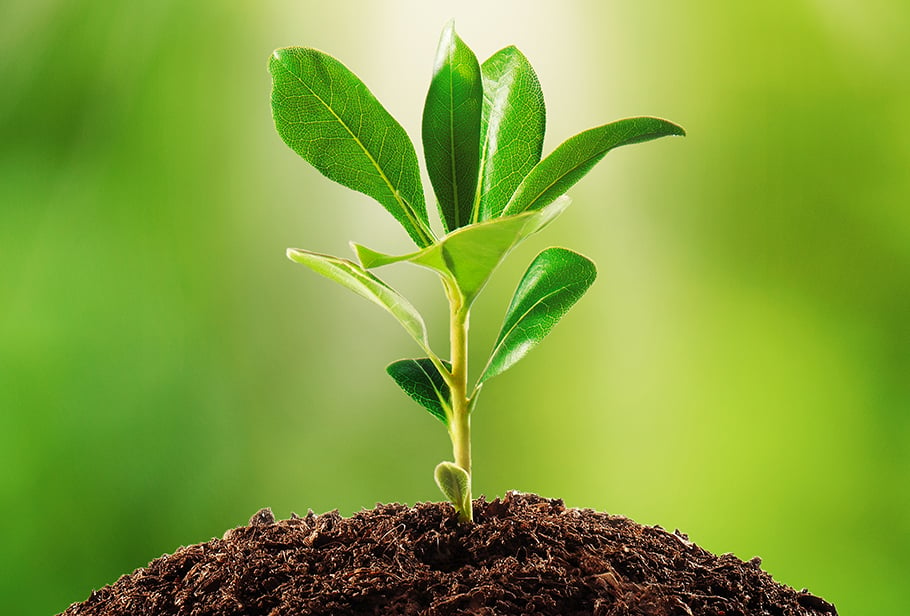
Zucchini! The very word conjures images of overflowing gardens and summer abundance. But to get to that point, you need to start somewhere, and for many of us, that starting point is indoors. Figuring out the perfect timing can be tricky, but with a little planning, you can ensure your zucchini plants get the best possible head start.
When To Start Zucchini Seeds Indoors: Finding Your Sweet Spot
The key to knowingwhen to plant zucchini indoorshinges on understanding your local climate and the length of your growing season. Zucchini plants are frost-sensitive and thrive in warm weather. You want to give them a head start, but not so much that they become root-bound or overgrown indoors before you can transplant them. Generally, the ideal time to sow zucchini seeds indoors is about 2-4 weeks before the last expected frost date in your area.
To determine your last frost date, you can consult resources such as your local agricultural extension office, online weather services, or experienced gardeners in your community. Make sure the date is based on the latest local climate and weather patterns in your area, and not just a generic date. Remember that this is just an estimate, and you should be prepared to adjust your planting schedule based on actual weather conditions.
Starting zucchini seeds indoors gives you a jump start on the season, allowing you to harvest earlier and enjoy the fruits (or rather, vegetables) of your labor sooner. You'll have stronger, healthier plants ready to take off when the weather warms up, leading to higher yields and a more successful zucchini harvest.
Calculating the Right Time to Start Seeds
The calculation is simple:Determine your last expected frost date, and then count back 2-4 weeks. For example, if your last frost date is typically around May 15th, you should aim to start your zucchini seeds indoors sometime between April 15th and May 1st. This window allows the seedlings to develop a strong root system and a few sets of true leaves before being transplanted outdoors.
Here's a breakdown to help you visualize this:
- Last Frost Date: May 15th
- Ideal Indoor Starting Window: April 15th - May 1st
It's crucial not to start the seeds too early, as this can result in leggy, weak plants that struggle to adapt to outdoor conditions. Remember, zucchini grows quickly, and you want to transplant them at the optimal size, not when they've outgrown their containers.
Factors Influencing Indoor Starting Times
While the 2-4 week guideline is a good starting point, there are a few other factors to consider when determiningthe best time to plant zucchini seeds indoors:
- Your local climate: Gardeners in colder regions may want to start their seeds closer to the 4-week mark to maximize the growing season. Those in warmer regions might be able to start closer to the 2-week mark.
- The specific zucchini variety: Some varieties mature faster than others. Check the seed packet for specific recommendations regarding days to maturity.
- Your indoor growing conditions: If you have a dedicated grow room with optimal lighting and temperature control, you may be able to start your seeds earlier than someone relying on natural sunlight.
Be aware of your specific climate. The USDA Plant Hardiness Zone Map is a very useful tool in finding out more specific information regarding your local environment. Some regions can experience microclimates, due to local topographical features, so ensure you are aware of the microclimates in your area.
The Importance of Proper Seed Starting Techniques When Planting Zucchini Seeds Indoors
Knowingwhen to plant zucchini indoors is only half the battle. You also need to ensure you're using proper seed-starting techniques to give your seedlings the best chance of success. Here's what you need to keep in mind:
Choosing the Right Containers
Zucchini plants are sensitive to root disturbance, so it's best to start them in individual pots or cells that can be easily transplanted without disrupting the root system. Biodegradable pots, such as peat pots or coco coir pots, are an excellent option because they can be planted directly into the ground, eliminating the need to remove the plant. Choose pots that are at least 3-4 inches in diameter to give the roots ample space to grow.
Alternatively, you can use plastic pots and gently remove the seedlings when transplanting. However, be extra careful to avoid damaging the roots during this process. Ensure that whichever pot you use, it has adequate drainage holes. You can create them yourself if they aren't there.
Using a High-Quality Seed Starting Mix
Avoid using garden soil for starting seeds, as it can be too heavy and may contain pathogens that can harm young seedlings. Instead, opt for a lightweight, sterile seed-starting mix. These mixes are typically composed of peat moss, vermiculite, and perlite, which provide excellent drainage and aeration while retaining enough moisture to support germination. Do some research and pick the best one for your climate and your preferences.
Providing Adequate Light and Warmth
Zucchini seeds need warmth to germinate, ideally between 70-80°F (21-27°C). You can use a heat mat under your seed trays to maintain a consistent temperature. Once the seeds have sprouted, they need plenty of light to prevent them from becoming leggy. Place them under grow lights or in a south-facing window that receives at least 6-8 hours of direct sunlight per day.
If you're using grow lights, position them a few inches above the seedlings and adjust the height as the plants grow. Rotate the seedlings regularly to ensure they receive even light exposure on all sides. A good grow light can make a world of difference, especially in areas with limited sunlight. Many people find that LED grow lights are a great, energy efficient option.
Watering and Fertilizing
Keep the seed-starting mix consistently moist, but not waterlogged. Water from the bottom to avoid damping off, a fungal disease that can kill young seedlings. Once the seedlings have developed a few sets of true leaves, you can start fertilizing them with a diluted liquid fertilizer specifically formulated for seedlings. Follow the instructions on the fertilizer label carefully to avoid over-fertilizing.
Regular monitoring is essential. Check the moisture level of the soil daily, and water when the top inch feels dry to the touch. Overwatering can lead to root rot, while underwatering can stunt the plant's growth.
Transplanting Your Zucchini Seedlings Outdoors
Once the danger of frost has passed and the soil has warmed up, it's time to transplant your zucchini seedlings outdoors. This is a critical step, and it's important to do it carefully to ensure the plants adapt well to their new environment.
Hardening Off Your Seedlings
Before transplanting, you need to "harden off" your seedlings, which means gradually acclimating them to outdoor conditions. Start by placing them outdoors in a sheltered location for a few hours each day, gradually increasing the amount of time they spend outside over the course of a week or two. This process helps the seedlings adjust to the sun, wind, and temperature fluctuations, reducing the risk of transplant shock.
The hardening off process helps the plants develop a thicker cuticle on their leaves, making them more resistant to sun scorch and dehydration. It also helps them strengthen their stems, making them less susceptible to wind damage. Start with just an hour or two on the first day, and gradually increase the time by an hour or two each day. If you notice the plants wilting or showing signs of stress, bring them back indoors and try again the next day.
Choosing the Right Location
Zucchini plants need plenty of sunlight, so choose a location that receives at least 6-8 hours of direct sunlight per day. The soil should be well-draining and rich in organic matter. Amend the soil with compost or well-rotted manure before planting to improve its fertility and drainage.
Zucchini plants are heavy feeders, so providing them with nutrient-rich soil is crucial for their growth and productivity. Avoid planting them in areas where the soil is compacted or poorly drained, as this can lead to root rot. You want a well-drained, nutrient-rich soil for your transplanted zucchini plants.
Transplanting Carefully
Dig a hole that is slightly larger than the root ball of the seedling. Gently remove the seedling from its container, being careful not to damage the roots. If you're using biodegradable pots, you can plant the entire pot directly into the ground. If you're using plastic pots, gently loosen the root ball and plant it in the hole. Backfill the hole with soil and water thoroughly.
Space the plants at least 2-3 feet apart, as zucchini plants can get quite large. Mulch around the plants with straw or wood chips to help retain moisture and suppress weeds. Protect the young plants from pests such as squash vine borers and cucumber beetles by using row covers or other protective measures.
Additional Tips for Success
- Water Regularly: Zucchini plants need consistent moisture, especially during hot, dry weather. Water deeply and regularly, especially when the fruits are developing.
- Fertilize Regularly: Zucchini plants benefit from regular fertilization. Use a balanced fertilizer or side-dress with compost or manure throughout the growing season.
- Monitor for Pests and Diseases: Keep an eye out for common zucchini pests and diseases, such as squash bugs, squash vine borers, and powdery mildew. Take action promptly to prevent infestations or infections from spreading.
- Harvest Regularly: Harvest zucchini fruits when they are young and tender, typically when they are 6-8 inches long. Regular harvesting encourages the plant to produce more fruits.
Starting zucchini indoors requires a bit of planning and attention, but the rewards are well worth the effort. By following these guidelines, you can ensure your zucchini plants get off to a strong start and produce a bountiful harvest. This will allow you to enjoy fresh, homegrown zucchini all season long. Happy gardening!
Having the right tools is essential for gardening success! The Fiskars Bypass Pruning Shears are a fantastic tool for trimming back zucchini plants, harvesting your bounty, and general garden maintenance. With their sharp, rust-resistant steel blade, these quality gardening scissors, also known as garden clippers, make precise cuts and are perfect for all sorts of garden tasks. You can find them here: https://amzn.to/4i LKbs8.