Have you ever looked at your zucchini plant, overflowing with summer squash, and wondered if you could use more than just the fruit? You might be surprised to learn that there's a lesser-known edible part: the stalk! Yes, that sturdy stem supporting your prolific zucchini can be a delicious addition to your kitchen creations, reducing waste and adding a unique flavor to your meals. Exploring the Edibility of Zucchini Plant Stalk Many gardeners are familiar with the delight of harvesting fresh zucchini, but few consider the potential of the zucchini plant stalk. Understanding the nutritional value, preparation techniques, and safety considerations surrounding zucchini stalks can unlock a whole new culinary dimension for your garden bounty. So, is the zucchini stalk edible? The short answer is yes, but with a few important caveats. We need to consider the age of the plant and potential bitterness. Mature zucchini stalks, especially those from older plants,...
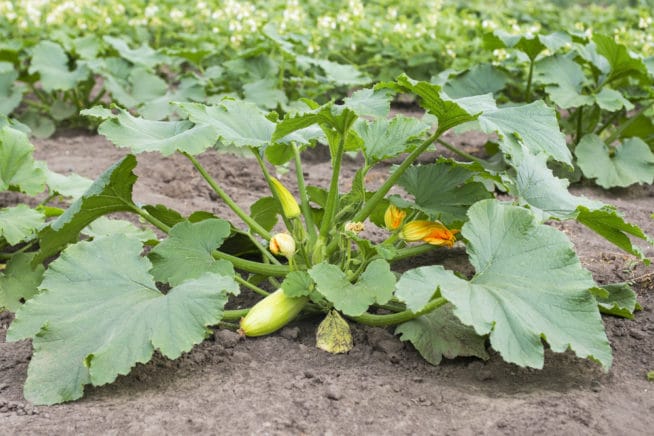
Zucchini plants are garden workhorses, producing an abundance of delicious squash. But to truly maximize your zucchini harvest, it's crucial to consider companion planting – and perhaps more importantly, whatnotto plant nearby. Certain plants can hinder zucchini growth, attract pests, or compete for vital nutrients, leading to a disappointing yield. Let's delve into which plants should be kept far away from your precious zucchini patch to ensure a thriving garden.
What to Avoid Planting Near Zucchini: The Detrimental Companions
Successfully growing zucchini isn't just about sunshine and water; it's also about strategic placement. Certain plant combinations can lead to trouble, whether it's attracting pests, spreading diseases, or simply hindering growth due to competition. Understanding which plants don’t play well with zucchini is key to a bountiful harvest.
The Allium Family: A Zucchini No-Go
Plants in the Allium family, such as onions, garlic, shallots, and leeks, are generally not good companions for zucchini. While these vegetables are fantastic in the kitchen, they can inhibit the growth of zucchini plants. The exact reason is multifaceted, but it's believed to be a combination of allelopathic chemicals released into the soil and competition for resources.
Here's why alliums can be problematic for zucchini:
- Allelopathy: Alliums release compounds into the soil that can suppress the growth of other plants. This is a natural defense mechanism that helps them compete for resources.
- Competition: While zucchini are heavy feeders, alliums also require significant nutrients. Planting them in close proximity means they'll be competing for the same resources, potentially stunting the growth of both plants.
- Pest Attraction (Indirectly): While alliums themselves are often used as pest deterrents for other plants, their strong scent can sometimes attract pests that might indirectly affect zucchini, or complicate identifying zucchini specific pest issues.
It's best to keep alliums a reasonable distance away from your zucchini patch to ensure your squash gets the nutrients and space it needs to flourish. A distance of at least 2-3 feet is generally recommended.
Fennel: A Selfish Garden Neighbor
Fennel is known to be a poor companion plant for many garden vegetables, and zucchini is no exception. This is because fennel releases compounds that inhibit the growth of nearby plants, a phenomenon known as allelopathy.
Fennel actively hinders the growth of many plants around it. It's best to grow fennel in a separate area of the garden, far away from zucchini and other susceptible vegetables. It doesn't matter what kind of fennel, whether it's common fennel or bronze fennel. Both are harmful neighbors.
Brassicas: A Potential Nutrient Drain
While not universally detrimental, some gardeners find that planting brassicas (cabbage, broccoli, cauliflower, kale, etc.) near zucchini can lead to issues. The main concern is competition for nutrients, especially nitrogen. Both zucchini and brassicas are heavy feeders, meaning they require a lot of nutrients from the soil to thrive.
Why brassicas might hinder zucchini:
- Nutrient Competition: Brassicas are notorious for being nutrient-hungry. Planting them close to zucchini can create intense competition for essential resources, potentially leading to smaller, less productive zucchini plants.
- Potential Disease Spread: Certain diseases, like powdery mildew, can affect both brassicas and zucchini. Planting them together can increase the risk of disease spreading between the plants.
If you do choose to plant brassicas near zucchini, ensure that you provide adequate fertilization and monitor closely for any signs of nutrient deficiency or disease. However, it's generally safer to keep them separated. Consider the "square foot gardening" technique to manage space and nutrients efficiently if interplanting. This allows you to add specific fertilizers to each square.
Potatoes: Competition Below the Surface
Like zucchini, potatoes are heavy feeders, demanding plenty of nutrients from the soil. When planted in close proximity, they compete directly with zucchini for these vital resources, potentially stunting the growth and yield of both crops. The intense competition for nutrients underground can leave both plants struggling.
Here's the key issue with planting potatoes near zucchini:
- Nutrient Depletion: Both potatoes and zucchini require ample amounts of nitrogen, phosphorus, and potassium. Planting them together can quickly deplete the soil of these essential nutrients, leading to stunted growth and reduced yields for both crops.
To avoid this nutrient competition, ensure sufficient space between your zucchini and potato plants. Consider planting them in separate areas of the garden or utilizing raised beds to better control soil fertility.
Practical Tips for Companion Planting with Zucchini
Now that we’ve discussed whatnotto plant near zucchini, let's briefly touch on the positive side. Companion planting can be a powerful tool for enhancing zucchini growth and overall garden health.
Here are some beneficial companion plants for zucchini:
- Marigolds: These cheerful flowers deter many pests, including squash bugs and squash vine borers.
- Nasturtiums: Another excellent pest deterrent, nasturtiums also attract beneficial insects.
- Borage: Attracts pollinators and can deter squash bugs.
- Beans: Add nitrogen to the soil, benefiting zucchini growth.
- Corn: Provides partial shade for zucchini in hot climates.
By strategically planting companion plants, you can create a thriving ecosystem that supports healthy zucchini growth and reduces the need for harmful pesticides. Remember to always research and understand the needs of each plant before interplanting.
To help maintain your zucchini plants, and all your other plants, it is helpful to have the right gardening tools. Using a reliable pair of pruning shears can be a game-changer in maintaining your garden. The Fiskars Bypass Pruning Shears with a 5/8-Inch Cut Capacity are great gardening clippers. Their sharp, rust-resistant steel blades will help you keep your plants in top shape all season long. You can find them here: Fiskars Bypass Pruning Shears.