Have you ever looked at your zucchini plant, overflowing with summer squash, and wondered if you could use more than just the fruit? You might be surprised to learn that there's a lesser-known edible part: the stalk! Yes, that sturdy stem supporting your prolific zucchini can be a delicious addition to your kitchen creations, reducing waste and adding a unique flavor to your meals. Exploring the Edibility of Zucchini Plant Stalk Many gardeners are familiar with the delight of harvesting fresh zucchini, but few consider the potential of the zucchini plant stalk. Understanding the nutritional value, preparation techniques, and safety considerations surrounding zucchini stalks can unlock a whole new culinary dimension for your garden bounty. So, is the zucchini stalk edible? The short answer is yes, but with a few important caveats. We need to consider the age of the plant and potential bitterness. Mature zucchini stalks, especially those from older plants,...
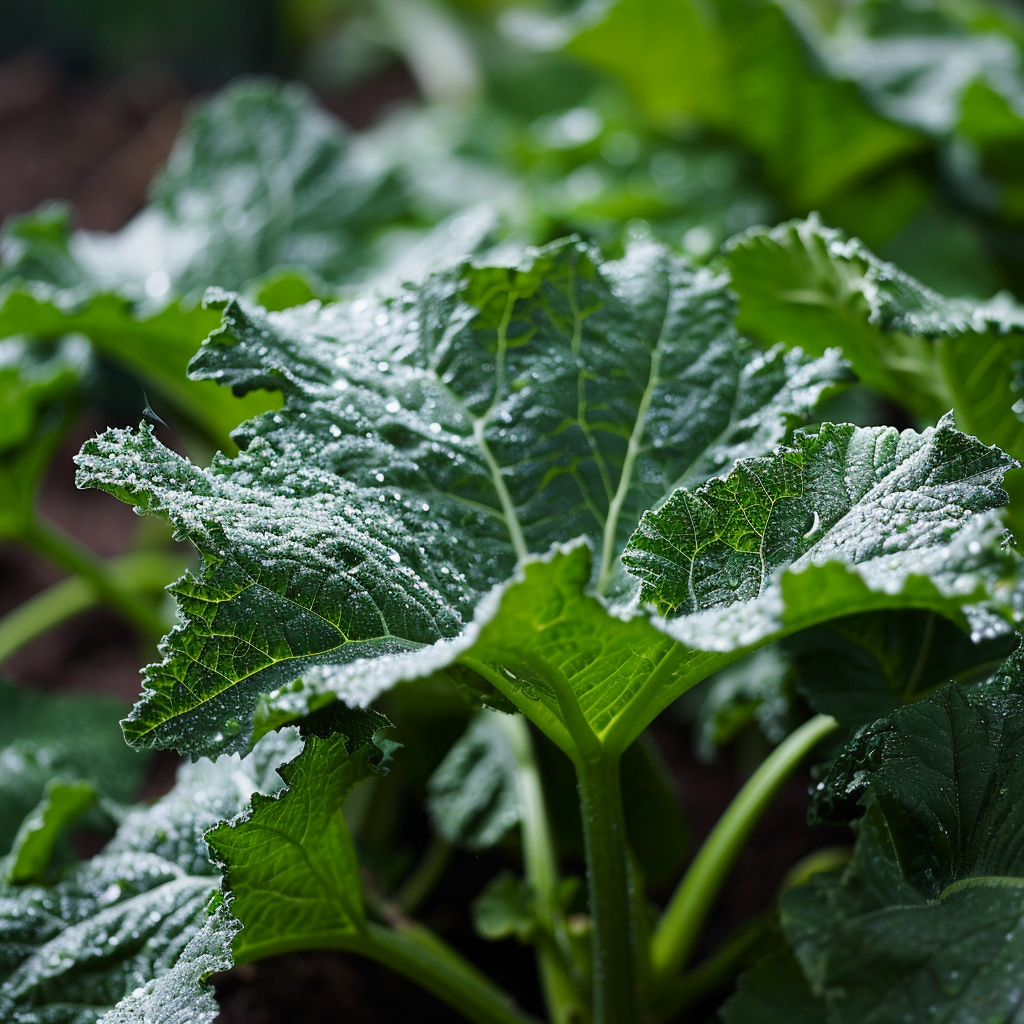
Ever feel like your zucchini plant is taking over your garden? Those massive leaves seem to grow overnight, blocking sunlight and potentially hindering fruit production. Don't despair! A little strategic trimming can do wonders for your plant's health and your harvest. Let's dive into the world of zucchini leaf management and learn how to keep your plants thriving.
Why Trim Zucchini Plant Leaves? Understanding the Benefits
Trimming zucchini plant leaves might seem counterintuitive. After all, leaves are vital for photosynthesis, the process by which plants create energy. However, selectivelyremoving zucchini foliage can offer several advantages, leading to healthier plants and a more abundant yield. Here's a closer look at the key benefits:
Improved Air Circulation
Zucchini plants are prone to fungal diseases, such as powdery mildew. These diseases thrive in humid environments with poor air circulation. Dense foliage creates a perfect breeding ground for these pathogens.*Trimming some of the larger, older leaves, especially those close to the ground, significantly improves airflow around the plant. This increased air circulation helps the leaves dry more quickly after rain or watering, reducing the risk of fungal infections. Think of it as opening up the plant's personal ventilation system!
Increased Sunlight Penetration
Even though zucchini leaves are broad, they are also selfish. They can quickly shade smaller leaves and developing fruits. By*pruning overgrown zucchini leaves, you allow more sunlight to reach the inner parts of the plant. This increased sunlight exposure is crucial for fruit development and ripening. It ensures that the fruits receive enough energy to grow to their full potential. Proper sunlight also contributes to the overall health of the plant, making it more resistant to pests and diseases.
Enhanced Fruit Production
When a zucchini plant is overloaded with foliage, it can divert energy away from fruit production. The plant invests more resources in growing leaves rather than developing zucchinis. Bystrategically trimming zucchini plant leaves, you redirect the plant's energy towards fruit production. This can result in a more abundant harvest, with larger and healthier zucchinis. Essentially, you're telling the plant, "Focus on the fruits, not just the foliage!"
Easier Harvesting
Dense foliage can make it difficult to find and harvest zucchinis. You might miss some fruits hidden beneath the leaves, allowing them to grow too large and become less flavorful.Reducing leaf density makes it easier to spot zucchinis and harvest them at their optimal size. This also simplifies the process of inspecting the plants for pests or diseases.
When to Trim Zucchini Plant Leaves:Timing is Key
Knowingwhento trim your zucchini plant leaves is as important as knowinghow. The timing of pruning can significantly impact the plant's health and productivity. Here are some general guidelines to follow:
Early Season Pruning
Avoid excessive pruning early in the season. Young zucchini plants need their leaves to establish a strong root system and support initial growth. Only remove damaged or diseased leaves at this stage. Focus on providing adequate water, nutrients, and sunlight.
Mid-Season Pruning
This is the ideal time for most zucchini leaf trimming. Once the plant starts producing fruits, you can begin selectively removing older, larger leaves that are shading the fruits or hindering air circulation. Remove leaves that are yellowing, browning, or showing signs of disease. Aim to create an open structure that allows sunlight to penetrate the plant.
Late Season Pruning
As the season progresses and the plant's productivity declines, you can gradually reduce the amount of pruning. Focus on removing any remaining diseased leaves and allowing the plant to naturally wind down. Avoid heavy pruning late in the season, as it can stress the plant and reduce its ability to ripen remaining fruits.
Specific Indicators
Besides the general timing guidelines, here are some specific indicators that it's time to trim zucchini plant leaves:
Yellowing or browning leaves: These leaves are no longer contributing to photosynthesis and can be safely removed. Leaves touching the ground: These leaves are more susceptible to fungal diseases and should be removed to improve air circulation. Leaves shading developing fruits: Remove these leaves to allow more sunlight to reach the fruits. Overly dense foliage: If the plant is heavily overgrown, selectively remove some leaves to improve air circulation and sunlight penetration.
If you're noticing leaves starting to look less than their best, a great way to keep your plants healthy is with the right tools. I've had great success using Fiskars Bypass Pruning Shears, these gardening clippers provide a clean and precise cut, which helps prevent disease and promotes faster healing. You can find these reliable gardening scissors with a sharp, rust-resistant steel blade here: https://amzn.to/4i LKbs8.
How to Trim Zucchini Plant Leaves: A Step-by-Step Guide
Now that you know why and when to trim, let's get into thehow. Here's a step-by-step guide to trimming zucchini plant leaves:
- Gather your tools: You'll need a pair of sharp, clean pruning shears or a knife. Disinfect the blades with rubbing alcohol to prevent the spread of diseases.
- Identify the leaves to remove: Look for yellowing, browning, or diseased leaves, as well as those touching the ground or shading fruits.
- Make clean cuts: Cut the leaf stem (petiole) close to the main stem of the plant. Avoid tearing or damaging the main stem.
- Remove only a few leaves at a time: Don't remove more than 1/3 of the plant's foliage at any one time. Excessive pruning can shock the plant and reduce its productivity.
- Dispose of the removed leaves: Compost healthy leaves, but discard diseased leaves in the trash to prevent the spread of infection.
Tips for Successful Trimming
Here are some additional tips to ensure successful zucchini leaf trimming:
Prune in the morning: This allows the cut surfaces to dry quickly in the sun, reducing the risk of fungal infections. Avoid pruning during wet weather: Wet conditions promote the spread of diseases. Water the plant after pruning: This helps the plant recover from the stress of pruning. Fertilize the plant regularly: This provides the plant with the nutrients it needs to support growth and fruit production. Monitor the plant for signs of stress:If the plant shows signs of wilting or yellowing after pruning, reduce the amount of pruning and provide extra care.
Troubleshooting Common Issues After Trimming Zucchini Leaves
While trimming zucchini plant leaves is generally beneficial, it can sometimes lead to unexpected issues. Here's how to troubleshoot some common problems:
Wilting Leaves
Wilting leaves after pruning can indicate that the plant is stressed. This can be caused by excessive pruning, insufficient watering, or extreme heat. To address wilting leaves, water the plant thoroughly and provide shade during the hottest part of the day. Avoid further pruning until the plant recovers.
Yellowing Leaves
Yellowing leaves after pruning can be a sign of nutrient deficiency. Ensure that the plant is receiving adequate nutrients by fertilizing it regularly with a balanced fertilizer. Check the soil p H to ensure that the plant can properly absorb nutrients. A soil p H of 6.0 to
7.0 is ideal for zucchini plants.
Increased Pest Infestation
While improved air circulation can help prevent fungal diseases, it can also make the plant more accessible to pests. Monitor the plant regularly for signs of pests, such as aphids, squash bugs, or squash vine borers. Take appropriate measures to control pests, such as using insecticidal soap or hand-picking pests off the plants.
Reduced Fruit Production
If you notice a decrease in fruit production after pruning, it could be due to excessive pruning or pruning at the wrong time. Avoid removing too many leaves at once and prune during the mid-season when the plant is actively producing fruits. Ensure that the plant is receiving adequate sunlight, water, and nutrients.
Alternative Methods to Trimming Zucchini Plant Leaves
While trimming is a common and effective method for managing zucchini foliage, there are alternative approaches you can consider, especially if you're hesitant to cut your plant:
Leaf Tucking
Instead of cutting the leaves, you can tuck them under fruits or other leaves to allow more sunlight to reach the developing zucchinis. This method is less drastic than trimming and can be a good option if you're concerned about stressing the plant.
Support Structures
Using support structures, such as trellises or cages, can help keep the plant upright and prevent the leaves from sprawling on the ground. This improves air circulation and reduces the risk of fungal diseases. It can also make it easier to harvest the fruits.
Companion Planting
Planting certain companion plants can help improve air circulation and deter pests. For example, planting marigolds near zucchini plants can help repel squash bugs. Planting dill can attract beneficial insects that prey on aphids.
The Bottom Line: A Balanced Approach to Trimming Zucchini Plant Leaves
Trimming zucchini plant leaves can be a valuable technique for improving the health and productivity of your plants. By understanding the benefits of*properly trimming zucchini leaves, knowing when and how to trim, and troubleshooting common issues, you can ensure a bountiful harvest of delicious zucchinis. Remember to take a balanced approach, avoiding excessive pruning and focusing on creating an open structure that allows for good air circulation and sunlight penetration. With a little care and attention, your zucchini plants will thrive!