Have you ever looked at your zucchini plant, overflowing with summer squash, and wondered if you could use more than just the fruit? You might be surprised to learn that there's a lesser-known edible part: the stalk! Yes, that sturdy stem supporting your prolific zucchini can be a delicious addition to your kitchen creations, reducing waste and adding a unique flavor to your meals. Exploring the Edibility of Zucchini Plant Stalk Many gardeners are familiar with the delight of harvesting fresh zucchini, but few consider the potential of the zucchini plant stalk. Understanding the nutritional value, preparation techniques, and safety considerations surrounding zucchini stalks can unlock a whole new culinary dimension for your garden bounty. So, is the zucchini stalk edible? The short answer is yes, but with a few important caveats. We need to consider the age of the plant and potential bitterness. Mature zucchini stalks, especially those from older plants,...
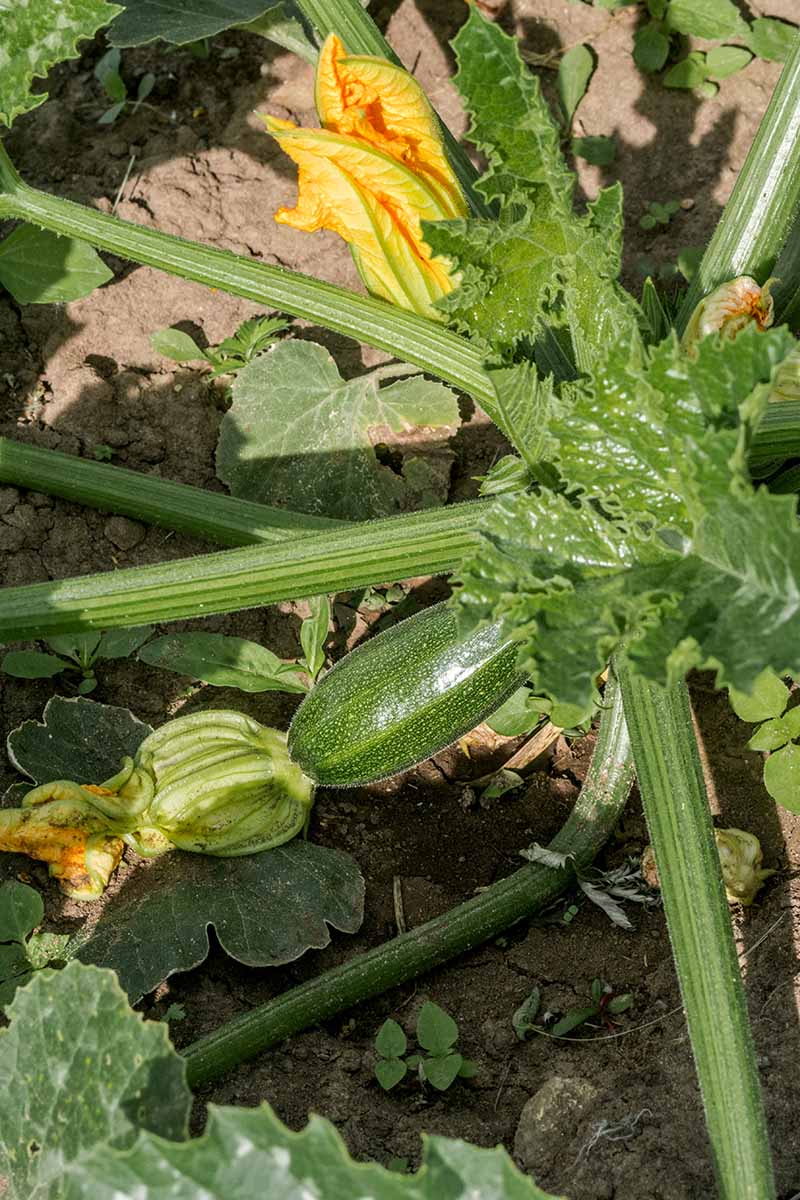
Picture this: you planted your zucchini seeds with hopeful anticipation, dreaming of overflowing baskets of summer squash. Now, your garden is bursting with vibrant green leaves, maybe a littletoobursting. You're starting to wonder, is this abundance a good thing, or are my zucchini plants suffocating each other? The question looming in your mind: should you thin out zucchini plants?
The Zucchini Jungle: Understanding the Need for Thinning
Zucchini plants, bless their prolific hearts, are known for their vigorous growth. They need ample space, sunlight, and nutrients to truly thrive. Overcrowding can lead to a host of problems, impacting the overall health and yield of your crop.Thinning zucchini plants isn't just about aesthetics; it's about giving each plant the best possible chance to flourish.
Why Thinning Zucchini is Important: Beyond Just Space
The concept ofthinning out zucchini plants might seem counterintuitive – removing perfectly healthy seedlings feels wasteful! However, the long-term benefits far outweigh the initial hesitation. Here's a breakdown of why thinning is so crucial:
Improved Air Circulation and Sunlight Exposure
Dense foliage restricts airflow and sunlight penetration. This creates a humid environment that's a breeding ground for fungal diseases like powdery mildew. Bythinning the zucchini seedlings, you're opening up the canopy, allowing air to circulate freely and sunlight to reach all parts of the plant. This helps prevent diseases and promotes healthy growth.
Think of it like this:imagine trying to breathe in a crowded room versus breathing in a wide-open field. Zucchini plants need that 'wide-open field' for optimal performance!
Reduced Competition for Resources
Each zucchini plant needs access to water, nutrients, and space to develop strong roots and produce abundant fruit. When plants are crammed together, they compete fiercely for these resources, leading to stunted growth and lower yields.Thinning zucchini plants ensures that each remaining plant has access to the resources it needs to reach its full potential. The plant can more efficiently soak up the resources, growing larger, healthier, and more productive.
Let's consider a case study. A gardener planted six zucchini seeds in a small raised bed, neglecting to thin them. The result? Six spindly plants, each producing only a handful of small, misshapen zucchini. Another gardener, planting the same number of seeds but thinning to just two robust plants, harvested a bountiful crop of large, healthy zucchini throughout the season. The difference? Reduced competition and focused resources.
Increased Fruit Production and Quality
When zucchini plants are overcrowded and struggling for resources, they tend to produce smaller, fewer, and sometimes misshapen fruits.Thinning out zucchini plants directs the plant's energy towards producing fewer but larger, higher-quality fruits. You'll end up with more zucchini that are worth eating and sharing! This relates back to the concept of competition, as the plant has fewer resources available to dedicate to fruit production.
Easier Pest and Disease Management
Densely packed zucchini plants provide the perfect hiding place for pests and make it difficult to spot and treat diseases.Thinning the young zucchini allows you to easily inspect your plants for signs of trouble and apply treatments more effectively. This prevents infestations and diseases from spreading rapidly throughout your garden.
When and How to Thin Zucchini Plants
The ideal time tothin your zucchini plants is when the seedlings have developed their first set of true leaves (the leaves that appear after the initial seed leaves). This usually occurs about one to two weeks after germination.
Here's a step-by-step guide to thinning zucchini plants:
- Identify the strongest seedlings: Look for seedlings that are healthy, vigorous, and free from any signs of disease or damage.
- Remove the weaker seedlings: Using sharp gardening scissors or pruning shears (like the Fiskars Bypass Pruning Shears https://amzn.to/4i LKbs8 which are excellent for this task, and offer precision pruning with their rust resistant blades and easy to use design), carefully snip the stem of the unwanted seedlings at soil level. Avoid pulling them out, as this can disturb the roots of the remaining plants.
- Space remaining plants appropriately: The ideal spacing for zucchini plants is typically 2-3 feet apart. Adjust the spacing based on the mature size of the variety you are growing.
Important Note: Don't be tempted to transplant the seedlings you remove. Zucchini plants have delicate root systems and rarely survive transplanting.
Determining the Ideal Number of Zucchini Plants
How many zucchini plants should you keep after thinning? This depends on your growing space, the variety of zucchini you are growing, and your personal needs.
As a general guideline:
- For small gardens: One or two well-spaced zucchini plants are usually sufficient to provide a steady supply of zucchini.
- For larger gardens: You can grow more zucchini plants, but be sure to provide adequate spacing between them.
Remember, zucchini plants are incredibly productive. You might be surprised by how much zucchini just one or two plants can produce!
Dealing with Volunteers: Unwanted Zucchini Surprises
Sometimes, zucchini plants will sprout up unexpectedly in your garden from seeds that overwintered in the soil. These "volunteer" zucchini plants can be a welcome surprise, but they can also contribute to overcrowding if left unchecked.
Treat volunteer zucchini plants the same way you would treat any other seedling: assess their health and vigor, and thin them out if necessary to ensure that your other plants have enough space and resources. The same principles of zucchini seedlings spacing and thinning apply here.
Conclusion: Embrace the Thinning Process for Zucchini Abundance
Thinning out your zucchini plantsmay seem like a tough decision, but it's a crucial step towards a successful and bountiful harvest. By providing adequate space, sunlight, and resources, you'll be rewarded with healthy, vigorous plants that produce an abundance of delicious zucchini all season long. So, don't hesitate – grab those gardening scissors, thin your zucchini plants, and get ready for a summer of zucchini goodness!