Have you ever looked at your zucchini plant, overflowing with summer squash, and wondered if you could use more than just the fruit? You might be surprised to learn that there's a lesser-known edible part: the stalk! Yes, that sturdy stem supporting your prolific zucchini can be a delicious addition to your kitchen creations, reducing waste and adding a unique flavor to your meals. Exploring the Edibility of Zucchini Plant Stalk Many gardeners are familiar with the delight of harvesting fresh zucchini, but few consider the potential of the zucchini plant stalk. Understanding the nutritional value, preparation techniques, and safety considerations surrounding zucchini stalks can unlock a whole new culinary dimension for your garden bounty. So, is the zucchini stalk edible? The short answer is yes, but with a few important caveats. We need to consider the age of the plant and potential bitterness. Mature zucchini stalks, especially those from older plants,...
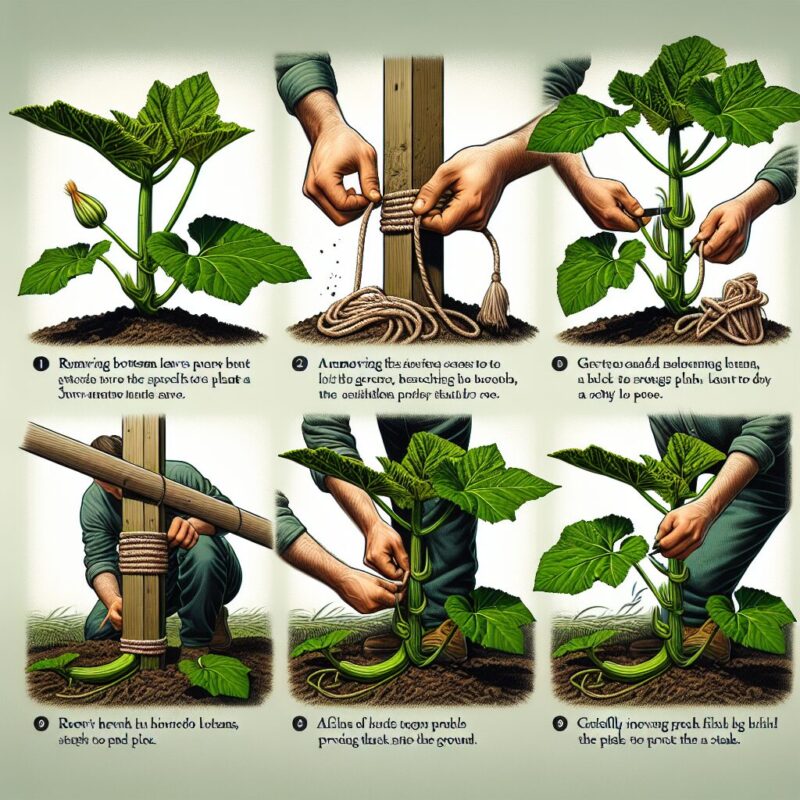
Have you ever watched your zucchini plant sprawl uncontrollably, taking over your entire garden and potentially succumbing to rot and pests? Staking your zucchini plant is the simple solution that can save your harvest and keep your garden looking tidy. Let's get into how to properly stake a zucchini plant for a healthier, more productive garden!
Why Stake Your Zucchini Plant?
There are several compelling reasons to stake your zucchini plant. It's not just about aesthetics; staking offers real benefits to the health and productivity of your plants. One key reason is improved*air circulation. When zucchini leaves are allowed to rest on the ground, they are more susceptible to fungal diseases like powdery mildew due to poor air flow. By staking, you lift the plant off the ground, promoting air circulation around the leaves and stem, which helps to prevent these diseases. This is particularly important in humid climates or during rainy seasons.
Another major advantage isincreased sunlight exposure. A staked zucchini plant allows more sunlight to reach all parts of the plant, including the developing fruits. Sunlight is essential for photosynthesis, the process by which plants convert light into energy. More sunlight means more energy for the plant to produce larger, healthier zucchini. Without adequate sunlight, your zucchini plants may produce smaller, less flavorful fruits.
Finally,staking a zucchini plant helps with space management in your garden. Zucchini plants are known for their sprawling growth habit. They can easily take over a significant portion of your garden if left unchecked. Staking helps to contain the plant, keeping it within a designated area and preventing it from crowding out neighboring plants. This is especially beneficial in smaller gardens where space is limited.
Here's a quick rundown of the benefits:
- Improved Air Circulation
- Increased Sunlight Exposure
- Better Space Management
- Reduced Risk of Fruit Rot
- Easier Harvesting
- Protection from Pests
When to Stake a Zucchini Plant
The best time to stake your zucchini plant is early in its growth, ideally when it's still a young plant about 1-2 feet tall. At this stage, the plant is more flexible and less likely to be damaged during the staking process. Staking early also encourages the plant to grow upright from the beginning, making it easier to manage as it matures. However, it's nevertoolate to stake a zucchini plant. Even if your plant is already large and sprawling, you can still stake it to provide support and improve air circulation. Just be careful when handling the plant to avoid breaking any stems or leaves.
If you're starting your zucchini from seeds indoors, consider the timing of transplanting and staking together. You can stake the plant shortly after transplanting it outdoors, giving it immediate support in its new environment. This helps the plant establish itself more quickly and reduces the risk of it being damaged by wind or heavy rain.
Choosing the Right Stake for Your Zucchini Plant
Selecting the right type of stake is crucial for providing adequate support to your zucchini plant. There are several options available, each with its own advantages and disadvantages.
Types of Stakes
- Wooden Stakes: These are a classic choice and are readily available at most garden centers. They are sturdy and provide good support, but they can rot over time, especially if they are constantly exposed to moisture. Cedar or redwood stakes are more resistant to rot than other types of wood.
- Metal Stakes: Metal stakes are durable and long-lasting. They won't rot like wooden stakes, but they can get hot in direct sunlight, which could potentially burn the plant. Consider painting them a light color to reflect sunlight.
- Bamboo Stakes: Bamboo stakes are lightweight and inexpensive. They are a good option for smaller zucchini plants, but they may not be strong enough to support larger, more mature plants.
- Tomato Cages: While technically not stakes, tomato cages can also be used to support zucchini plants. They provide a circular support structure that surrounds the plant, preventing it from sprawling. Choose a sturdy cage that is tall enough to accommodate the plant's mature size.
When choosing a stake, consider the size and weight of your zucchini plant. A larger, more productive plant will require a sturdier stake than a smaller plant. Also, think about the overall aesthetic of your garden. Choose stakes that blend in with your existing garden decor.
No matter which stake you choose, you may need some reliable gardening shears to trim away unwanted leaves or damaged stems. I highly recommend the Fiskars Bypass Pruning Shears, they feature a sharp, rust resistant steel blade and make quick work of any trimming task. You can find these garden clippers here: https://amzn.to/4i LKbs8. With these pruning shears, caring for your zucchini plant becomes even easier.
Step-by-Step Guide: How to Stake a Zucchini Plant
Now that you understand the importance of staking and have chosen the right stake, let's walk through the process of how to actually stake your zucchini plant.
Materials You'll Need
- Zucchini Plant
- Chosen stake (wooden, metal, bamboo, or tomato cage)
- Soft plant ties (cloth strips, twine, or specialized plant ties)
- Gloves (optional, but recommended to protect your hands)
Instructions
- Prepare the Area: Clear any weeds or debris around the base of your zucchini plant. This will make it easier to work and reduce the risk of pests and diseases.
- Position the Stake: Insert the stake into the ground a few inches away from the base of the plant. Be careful not to damage the roots. The stake should be deep enough to provide stable support. For wooden stakes, aim for at least 12 inches into the ground.
- Gently Tie the Plant: Use soft plant ties to attach the zucchini plant to the stake. Make sure the ties are loose enough to allow for growth but secure enough to provide support. Avoid using wire or other materials that can damage the plant's stem.
- Distribute the Weight: As the plant grows, you may need to add additional ties to distribute the weight evenly along the stake. This will prevent the plant from leaning or breaking.
- Monitor and Adjust: Regularly check the ties to make sure they are not too tight. Adjust them as needed to accommodate the plant's growth. Also, inspect the stake to ensure it is still providing adequate support.
Maintaining Your Staked Zucchini Plant
Staking your zucchini plant is just the first step. To ensure its continued health and productivity, you need to provide ongoing care and maintenance.
Watering
Zucchini plants need consistent watering, especially during hot, dry weather. Water deeply at the base of the plant, avoiding wetting the leaves as much as possible to prevent fungal diseases. Aim for about 1 inch of water per week, but adjust based on weather conditions.
Fertilizing
Zucchini plants are heavy feeders and benefit from regular fertilization. Use a balanced fertilizer or a fertilizer specifically formulated for vegetables. Follow the instructions on the fertilizer package for application rates and frequency. You can also amend the soil with compost or other organic matter to improve its fertility.
Pruning
Pruning can help improve air circulation and sunlight exposure in your zucchini plant. Remove any yellowing or diseased leaves, as well as any leaves that are crowding the plant. You can also prune away some of the larger leaves to allow more sunlight to reach the developing fruits. Use clean, sharp pruning shears to avoid spreading diseases.
Pest and Disease Control
Zucchini plants are susceptible to various pests and diseases, including squash vine borers, squash bugs, and powdery mildew. Regularly inspect your plant for signs of infestation or disease. Take appropriate action to control pests and diseases, such as using insecticidal soap, neem oil, or fungicide.
Troubleshooting Common Issues
Even with the best care, you may encounter some challenges when growing zucchini plants. Here are some common issues and how to address them.
- Plant Falling Over: This is usually a sign that the stake is not strong enough or that the plant is too heavy. Replace the stake with a sturdier one or add additional ties to distribute the weight more evenly.
- Leaves Turning Yellow: Yellowing leaves can be caused by a variety of factors, including overwatering, underwatering, nutrient deficiencies, or diseases. Check the soil moisture and adjust your watering schedule accordingly. Fertilize the plant with a balanced fertilizer to correct any nutrient deficiencies. If you suspect a disease, treat the plant with an appropriate fungicide.
- Lack of Fruit Production: This can be caused by a lack of pollination. Zucchini plants need to be pollinated in order to produce fruit. If you're not seeing any bees or other pollinators in your garden, you may need to hand-pollinate the flowers.
By following these tips, you can successfully stake your zucchini plant and enjoy a bountiful harvest. Happy gardening!