Have you ever looked at your zucchini plant, overflowing with summer squash, and wondered if you could use more than just the fruit? You might be surprised to learn that there's a lesser-known edible part: the stalk! Yes, that sturdy stem supporting your prolific zucchini can be a delicious addition to your kitchen creations, reducing waste and adding a unique flavor to your meals. Exploring the Edibility of Zucchini Plant Stalk Many gardeners are familiar with the delight of harvesting fresh zucchini, but few consider the potential of the zucchini plant stalk. Understanding the nutritional value, preparation techniques, and safety considerations surrounding zucchini stalks can unlock a whole new culinary dimension for your garden bounty. So, is the zucchini stalk edible? The short answer is yes, but with a few important caveats. We need to consider the age of the plant and potential bitterness. Mature zucchini stalks, especially those from older plants,...
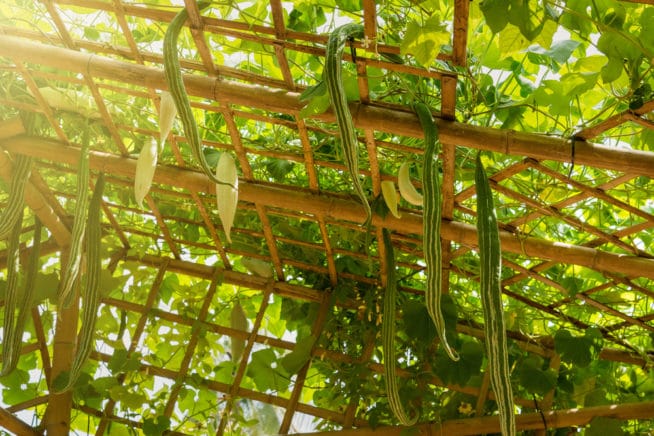
Tired of your zucchini plants sprawling all over your garden, taking up valuable real estate? Wishing you could harvest those delicious summer squash without playing a game of hide-and-seek amongst the giant leaves? Good news! You absolutely can, and the answer lies in vertical gardening. Growing zucchini vertically not only saves space but also improves airflow, reduces the risk of disease, and makes harvesting a breeze. Let's dive into how to grow zucchini plants vertically and unlock the secrets to a bountiful, space-saving harvest.
Why Grow Zucchini Vertically?
Before we get into the nitty-gritty of how to grow zucchini plants vertically, let’s explore the compelling reasons why this method is gaining popularity among gardeners. The benefits extend far beyond just saving space.
Space Efficiency
This is the most obvious advantage. Zucchini plants are notorious for their sprawling growth habits, often taking up a considerable amount of garden space. By training them to grow vertically, you can drastically reduce their footprint and maximize the use of your available garden area. This is especially beneficial for those with small gardens, balconies, or patios. You can grow other plants in the space that would have otherwise been taken up by sprawling zucchini plants.
Improved Air Circulation
When zucchini plants are allowed to sprawl on the ground, their dense foliage can restrict airflow. This creates a humid environment that is conducive to fungal diseases such as powdery mildew. Growing zucchini vertically promotes better air circulation around the leaves and stems, reducing the risk of these diseases. The improved airflow also helps to dry the leaves quickly after rain or watering, further minimizing the chances of fungal infections.
Easier Harvesting
Searching for hidden zucchini under a mass of foliage can be a frustrating task. Vertical growing makes harvesting much easier. The fruits are more visible and accessible, allowing you to harvest them at the optimal size and maturity. No more missed zucchini turning into baseball bats overnight!
Pest Control
While it won't eliminate pests entirely, growing zucchini vertically can make pest control easier. Elevated plants are less susceptible to some ground-dwelling pests. Additionally, the increased visibility allows you to spot and address pest infestations more quickly.
Increased Sunlight Exposure
Vertical growth allows for better sunlight penetration to all parts of the plant. This can lead to more consistent fruit production and improved fruit quality. Plants receive consistent sunlight, leading to better energy production for healthy growth.
Choosing the Right Zucchini Variety for Vertical Growing
While most zucchini varieties can be trained to grow vertically, some are naturally more suited to this method than others. Bush varieties, which tend to be more compact, are often easier to manage on a trellis or support system. However, vining varieties can also be successfully grown vertically with proper training and support.
Bush Varieties
Bush zucchini varieties are a great option for vertical gardening because of their compact growth. These varieties are naturally smaller and easier to manage on a trellis. Some popular bush varieties include:
- Black Beauty
- Costata Romanesco
- Eight Ball
- Gold Rush
These varieties are less prone to sprawling and require less support than vining types.
Vining Varieties
While vining varieties require more training and support, they can also be grown vertically successfully. Look for varieties that have a slightly less vigorous vining habit. Some options to consider include:
- Tromboncino
- Zucchetta Rampicante
These varieties produce long, slender fruits and can be trained to climb a trellis or fence. Regular pruning and training are essential to keep vining varieties under control.
Preparing Your Zucchini Plants for Vertical Growth
Before you start training your zucchini plants to grow vertically, it's important to prepare them properly. This includes choosing the right location, preparing the soil, and providing adequate support.
Location and Soil
Zucchini plants need at least 6-8 hours of direct sunlight per day. Choose a location that receives plenty of sunlight. The soil should be well-draining and rich in organic matter. Amend the soil with compost or well-rotted manure before planting. A slightly acidic to neutral p H (6.0-7.0) is ideal. Ensure the soil has a proper drainage. If you are growing in containers, make sure they have drainage holes.
Support System
Providing a strong and reliable support system is crucial for growing zucchini vertically. You can use a variety of structures, including:
- Trellises: A sturdy trellis made of wood or metal is a great option.
- Fences: Use an existing fence as a support structure.
- Cages: Tomato cages can work for smaller bush varieties.
- Arbors: Create an attractive focal point in your garden while supporting your zucchini plants.
Make sure the support system is tall enough to accommodate the mature size of your chosen zucchini variety. The structure needs to be sturdy enough to support the weight of the plants and the developing fruits. Install the support system before or shortly after planting to avoid disturbing the roots later on.
Having the right tools makes gardening a breeze. Speaking of which, I find that the Fiskars Bypass Pruning Shears, a gardening scissors with sharp, rust resistant steel blade, really help in maintaining and pruning my plants. These garden clippers with a 5/8-Inch Cut Capacity are perfect for small jobs around the garden. You can check them out here: https://amzn.to/4i LKbs8.
Planting and Initial Training
You can start zucchini seeds indoors 3-4 weeks before the last expected frost or sow them directly in the garden after the danger of frost has passed. Space the plants according to the recommended spacing for your chosen variety, usually about 2-3 feet apart.
Once the plants are a few inches tall, begin training them to grow up the support system. Gently tie the stems to the trellis or fence using soft plant ties or twine. As the plants grow, continue to train them by regularly tying the stems to the support. Remove any leaves or stems that are touching the ground to improve airflow and reduce the risk of disease.
Caring for Vertically Grown Zucchini Plants
Once your zucchini plants are established and growing vertically, it's important to provide them with the proper care to ensure a bountiful harvest. This includes regular watering, fertilization, and pest and disease control.
Watering and Fertilizing
Zucchini plants need consistent moisture, especially when they are actively growing and producing fruit. Water deeply and regularly, especially during hot, dry weather. Avoid overhead watering, as this can promote fungal diseases. Use a soaker hose or drip irrigation system to water the plants at the base. Fertilize your zucchini plants every 2-3 weeks with a balanced fertilizer. You can also side-dress the plants with compost or well-rotted manure. Be careful not to over-fertilize, as this can lead to excessive foliage growth and reduced fruit production.
Pruning and Training
Regular pruning is essential for maintaining vertically grown zucchini plants. Remove any yellowing or diseased leaves to improve airflow and prevent the spread of disease. Prune away any suckers or side shoots that are growing from the base of the plant. Continue to train the main stems to grow up the support system by tying them with soft plant ties or twine. If the plants become too dense, you can selectively prune some of the leaves to improve sunlight penetration and air circulation.
Pest and Disease Control
Zucchini plants are susceptible to a variety of pests and diseases, including squash bugs, squash vine borers, aphids, and powdery mildew. Monitor your plants regularly for signs of infestation or disease. Use organic pest control methods such as insecticidal soap, neem oil, or Bacillus thuringiensis (Bt) to control pests. To prevent fungal diseases, ensure good air circulation, avoid overhead watering, and apply a fungicide if necessary. Remove any infected leaves or plants immediately to prevent the spread of disease. Crop rotation is also essential, don't plant zucchini in the same spot every year.
Harvesting Your Vertical Zucchini Crop
Zucchini plants are prolific producers, and you'll likely be harvesting fruits throughout the summer. Harvest zucchini when they are young and tender, typically when they are 6-8 inches long. Use a sharp knife or pruning shears to cut the fruits from the plant. Regular harvesting encourages the plant to produce more fruits. Overgrown zucchini can become tough and seedy, so it's best to harvest them when they are young and tender. Enjoy your fresh, homegrown zucchini in a variety of dishes, from zucchini bread to grilled zucchini slices.
Troubleshooting Common Problems When Growing Zucchini Plants Vertically
Even with the best planning and care, you may encounter some common problems when growing zucchini plants vertically. Here are some troubleshooting tips to help you overcome these challenges.
Plant Not Producing Fruit
If your zucchini plant is not producing fruit, there could be several reasons. One common cause is lack of pollination. Zucchini plants require pollination to set fruit, and if there are not enough pollinators in your area, you may need to hand-pollinate the flowers. Use a small paintbrush to transfer pollen from the male flowers to the female flowers. Another reason for lack of fruit production could be nutrient deficiency. Make sure you are fertilizing your plants regularly with a balanced fertilizer.
Yellowing Leaves
Yellowing leaves can be a sign of several problems, including nutrient deficiency, overwatering, or disease. Check the soil moisture and drainage to ensure that the plants are not getting too much or too little water. If the soil is well-draining, the yellowing leaves could be a sign of nutrient deficiency. Fertilize the plants with a balanced fertilizer. Yellowing leaves can also be a symptom of fungal disease. Remove any infected leaves and apply a fungicide if necessary.
Powdery Mildew
Powdery mildew is a common fungal disease that affects zucchini plants. It appears as a white, powdery coating on the leaves. To prevent powdery mildew, ensure good air circulation, avoid overhead watering, and apply a fungicide if necessary. You can also try spraying the plants with a solution of baking soda and water.
Conclusion
Growing zucchini plants vertically is a rewarding and space-saving way to enjoy fresh, homegrown zucchini. By following these tips and techniques, you can maximize your harvest and minimize the challenges associated with growing this prolific vegetable. With a little planning and care, you'll be enjoying delicious, homegrown zucchini all summer long. Get ready to harvest a ton of zucchini and have them available for all the recipes. Happy Gardening!