Have you ever looked at your zucchini plant, overflowing with summer squash, and wondered if you could use more than just the fruit? You might be surprised to learn that there's a lesser-known edible part: the stalk! Yes, that sturdy stem supporting your prolific zucchini can be a delicious addition to your kitchen creations, reducing waste and adding a unique flavor to your meals. Exploring the Edibility of Zucchini Plant Stalk Many gardeners are familiar with the delight of harvesting fresh zucchini, but few consider the potential of the zucchini plant stalk. Understanding the nutritional value, preparation techniques, and safety considerations surrounding zucchini stalks can unlock a whole new culinary dimension for your garden bounty. So, is the zucchini stalk edible? The short answer is yes, but with a few important caveats. We need to consider the age of the plant and potential bitterness. Mature zucchini stalks, especially those from older plants,...
So, you're dreaming of zucchini bread, stuffed zucchini blossoms, and maybe even just grilling up some slices for a healthy side dish? Me too! But before you start planting, you need to consider one very important thing: how much room these sprawling plants actually need. Trust me, give them the space they crave, and you'll be rewarded with a bountiful harvest. Neglect this aspect, and you might end up with a crowded, unhappy garden and fewer zucchini than you hoped for. Let's dive into the nitty-gritty of zucchini plant spacing!
Understanding Zucchini Plant Growth Habits
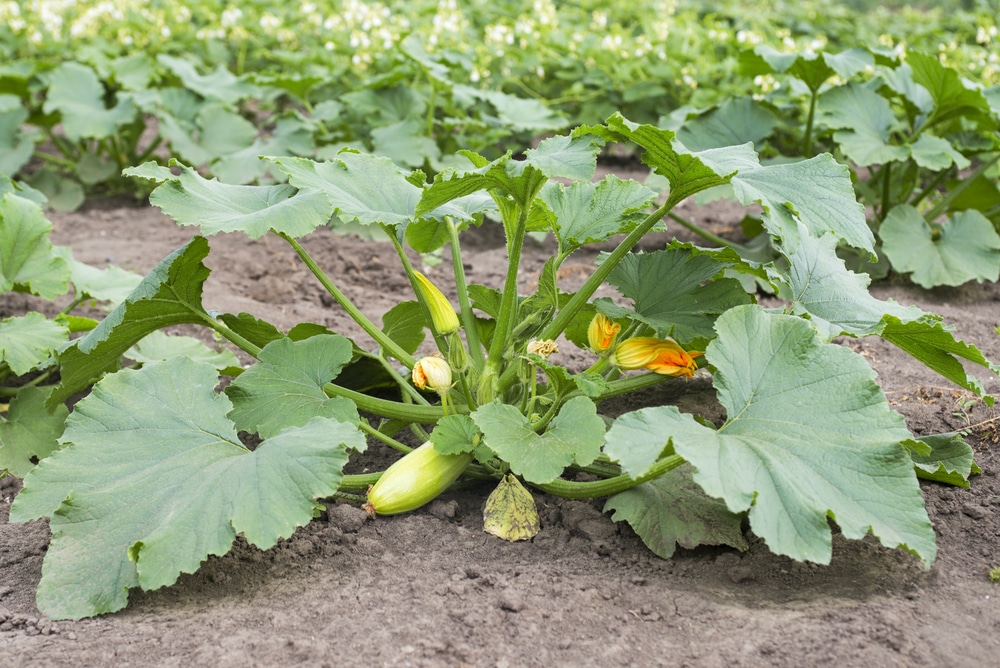
Zucchini plants are known for their vigorous growth. Unlike some veggies that stay neatly compact, zucchini tends to sprawl. Understanding this growth habit is crucial for determining how much space each plant needs. They're not climbers or trailers in the traditional sense, but their large leaves and bush-like form can easily take over a garden bed if left unchecked.
How Much Room Do Zucchini Plants Typically Need?
The golden rule for most zucchini varieties is to give themat least 2 to 3 feet of space between plants. This applies whether you're planting in rows or using a square-foot gardening method. The main thing is ensuring adequate airflow and sunlight penetration. Now, let's get more specific.
Spacing in Rows
If you're planting in rows, aim for2 to 3 feet between plants within the row and3 to 4 feet between rows. This spacing allows you to easily walk between the rows for weeding, watering, and harvesting. Remember, zucchini leaves can get quite large, so providing enough space between rows will prevent them from completely shading each other out. Here's a quick summary in table form:
| Spacing Type | Distance |
|---|---|
| Between Plants in Row | 2-3 feet |
| Between Rows | 3-4 feet |
Square Foot Gardening and Zucchini Spacing
Square foot gardening is a fantastic method for maximizing space in smaller gardens. However, because of the size of zucchini plants, you typically want to dedicateone square foot per zucchini plant. This means you'll only plant one zucchini plant per square foot. Select a spot where it can sprawl without crowding out its neighbors.
Considering the Zucchini Variety
It's also worth noting that different zucchini varieties can have slightly different space requirements. Some compact bush varieties might tolerate slightly closer spacing (though it's still not recommended to go below 2 feet). Always check the seed packet or plant label for specific recommendations from the seed company. Some common varieties and their space needs include:
- Black Beauty: 2-3 feet spacing
- Costata Romanesco: 2-3 feet spacing
- Gold Rush: 2-3 feet spacing
- Eight Ball (round zucchini): 2 feet spacing (can get away with slightly less)
Why is Proper Spacing Crucial for Zucchini Plants?
Spacing isn't just an aesthetic concern; it directly impacts the health and productivity of your zucchini plants. Here's why it's so important to consider how much space does a zucchini plant need:
Air Circulation
Good air circulation is essential for preventing fungal diseases like powdery mildew. When plants are too close together, air can't circulate freely, creating a humid environment that's perfect for fungal spores to thrive. Proper spacing allows the leaves to dry quickly after rain or watering, minimizing the risk of disease.
Sunlight
Zucchini plants need plenty of sunlight to produce a good harvest. When they're crowded, the leaves can shade each other, reducing photosynthesis and ultimately leading to fewer fruits. Adequate spacing ensures that each plant receives enough sunlight to fuel its growth.
Nutrient Competition
Plants compete for nutrients in the soil. When they're too close together, they have to compete more fiercely, which can stunt their growth and reduce their yield. Proper spacing gives each plant access to the nutrients it needs to thrive. Similarly, root systems have room to spread and absorb the necessary water and nutrients.
Ease of Harvesting
Harvesting zucchini can be a bit of a treasure hunt, as the fruits tend to hide beneath the large leaves. Adequate spacing makes it easier to find and harvest the zucchini without damaging the plant or missing any hidden gems. You also reduce the chance of accidentally stabbing yourself with the prickly stems!
What Happens If You Don't Give Zucchini Plants Enough Space?
Underestimating how much space zucchini needs can lead to a variety of problems. Here are some common consequences of overcrowding:
- Reduced Yield: Plants won't produce as many zucchini.
- Increased Disease Risk: Powdery mildew and other fungal diseases become more prevalent.
- Stunted Growth: Plants may not reach their full potential size.
- Smaller Fruits: The zucchini that do develop may be smaller than average.
- Difficult Harvesting: It's harder to find and harvest the fruits.
Tips for Maximizing Space and Ensuring a Healthy Zucchini Harvest
Even if you're limited on space, there are still ways to ensure your zucchini plants thrive. Consider these tips:
- Choose Bush Varieties: As mentioned earlier, bush varieties tend to be more compact than sprawling varieties.
- Prune Leaves: Carefully prune away some of the larger leaves to improve air circulation and sunlight penetration.
- Use Companion Planting: Plant herbs and flowers around your zucchini to attract pollinators and deter pests. Good companion plants include marigolds, nasturtiums, and basil.
- Provide Support: While zucchini aren't climbers, providing a small trellis or stake can help keep the plant upright and prevent it from sprawling too much.
- Regular Watering and Fertilizing: Ensure your plants receive adequate water and nutrients to support their growth. Water deeply at the base of the plant to avoid wetting the leaves, which can promote fungal diseases. Use a balanced fertilizer to provide the necessary nutrients.
By understanding how much space a zucchini plant needs and following these tips, you can maximize your harvest and enjoy a season full of delicious zucchini dishes! Remember to observe your plants regularly and adjust your approach as needed. Happy gardening!
To help you maintain your zucchini plants and harvest them effectively, consider using quality gardening tools. For example, a good pair ofpruning shears such as theFiskars Bypass Pruning Shears, which feature a sharp, rust-resistant steel blade, are essential for trimming leaves or harvesting your zucchini. You can find these handy gardening scissorshere:https://amzn.to/4i LKbs8. With these shears, maintaining your plants and harvesting your zucchini will be much easier and more efficient.