Have you ever looked at your zucchini plant, overflowing with summer squash, and wondered if you could use more than just the fruit? You might be surprised to learn that there's a lesser-known edible part: the stalk! Yes, that sturdy stem supporting your prolific zucchini can be a delicious addition to your kitchen creations, reducing waste and adding a unique flavor to your meals. Exploring the Edibility of Zucchini Plant Stalk Many gardeners are familiar with the delight of harvesting fresh zucchini, but few consider the potential of the zucchini plant stalk. Understanding the nutritional value, preparation techniques, and safety considerations surrounding zucchini stalks can unlock a whole new culinary dimension for your garden bounty. So, is the zucchini stalk edible? The short answer is yes, but with a few important caveats. We need to consider the age of the plant and potential bitterness. Mature zucchini stalks, especially those from older plants,...
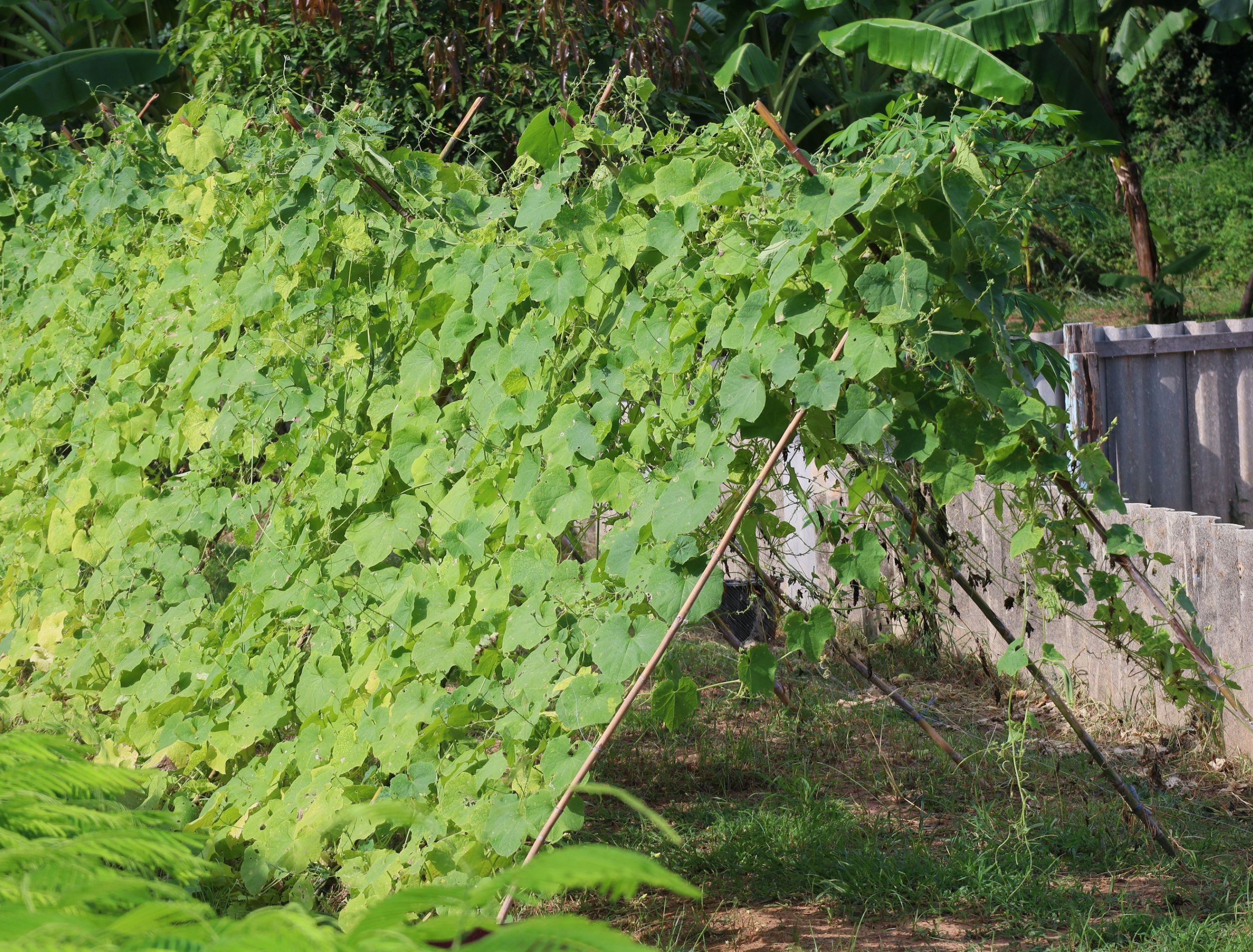
Zucchini plants are known for their sprawling nature. They take up a lot of garden space, leaving little room for other vegetables and flowers. But what if you could train your zucchini to grow vertically? Trellising zucchini might sound unconventional, but it's a surprisingly effective way to manage these vigorous plants. Let's explore if you can trellis zucchini plants and how to do it!
Is Trellising Zucchini Plants Possible?
Yes, you absolutely can trellis zucchini plants! While it might seem counterintuitive for a plant known for its bush-like growth, trellising offers numerous benefits. The key is to choose the right trellising method and provide the necessary support for the developing fruits. Not all zucchini varieties are equally suited to trellising; bush varieties are more manageable compared to vining varieties. However, with proper care and support, both types can be successfully grown vertically.
Benefits of Trellising Zucchini
Trellising zucchini plants offers a range of advantages for both the plant and the gardener. From improved air circulation to easier harvesting, the benefits are well worth considering. Let's delve into some key advantages:
- Space Saving: This is the most obvious benefit. By growing zucchini vertically, you free up valuable garden space for other plants.
- Improved Air Circulation: Trellising allows for better airflow around the plant, reducing the risk of fungal diseases like powdery mildew.
- Easier Harvesting: No more bending over to hunt for hidden zucchini! The fruits are more visible and accessible, making harvesting a breeze.
- Cleaner Fruits: By keeping the fruits off the ground, you reduce the risk of them rotting or being damaged by pests.
- Increased Sunlight Exposure: Trellised plants receive more sunlight, leading to better fruit production.
Choosing the Right Zucchini Variety for Trellising
While most zucchini varieties can technically be trellised, some are better suited for it than others. Bush varieties are generally easier to manage on a trellis, but vining varieties can also be trained with some extra effort. Here's a breakdown:
- Bush Varieties: These compact varieties, like 'Black Beauty' and 'Early Prolific', are more manageable on a trellis due to their smaller size and less aggressive growth habit.
- Vining Varieties: While less common, some zucchini varieties have a vining growth habit. These require a sturdier trellis and more frequent training to keep them under control. Consider varieties like 'Tromboncino', which, while technically a summer squash, grows like a zucchini and readily climbs.
Even with bush varieties, remember that the plant will still produce large, heavy fruits. Ensure your trellis can support the weight.
Selecting the Right Trellis for Your Zucchini Plants
Choosing the right trellis is crucial for successfully growing zucchini vertically. The trellis needs to be strong enough to support the weight of the mature plant and its fruits, and it should also provide adequate support for the stems. Here are some popular options:
- A-Frame Trellis: This sturdy trellis is ideal for supporting heavy plants like zucchini. Its triangular shape provides excellent stability.
- T-Post with Mesh: Drive T-posts into the ground and attach heavy-duty mesh (like cattle panel) to create a strong and durable trellis.
- Tomato Cages: While typically used for tomatoes, large tomato cages can also be used for smaller zucchini varieties.
- DIY Trellis: You can build your own trellis using wood, bamboo, or other materials. Just make sure it's strong enough to support the weight of the plant.
Consider the size of your chosen zucchini variety when selecting a trellis. Vining varieties will require a taller and sturdier structure than bush varieties. Also, ensure the trellis is well-anchored in the ground to prevent it from tipping over in strong winds or when the plant is laden with fruit.
How to Trellis Zucchini Plants: A Step-by-Step Guide
Now that you know the benefits and have chosen your variety and trellis, let's get down to the how-to. Trellising zucchini plants is a simple process, but it requires consistent effort and attention to ensure the plant grows properly. Here's a step-by-step guide:
- Planting: Plant your zucchini seeds or seedlings near the base of the trellis. Space them according to the recommended spacing for your chosen variety.
- Training: As the plant grows, gently guide the stems towards the trellis. Use soft ties, twine, or plant clips to attach the stems to the trellis. Avoid using wire or anything that can damage the stems.
- Supporting Fruits: Zucchini fruits can become quite heavy, so it's essential to provide support for them as they develop. Use slings made of netting, fabric scraps, or pantyhose to support the fruits and prevent them from breaking off the vine.
- Pruning: Prune away any yellowing or diseased leaves to improve air circulation and prevent the spread of disease. You can also prune away some of the larger leaves to allow more sunlight to reach the fruits.
- Watering and Fertilizing: Water your zucchini plants regularly, especially during dry periods. Fertilize them every few weeks with a balanced fertilizer to promote healthy growth and fruit production.
Regularly check your plants and adjust the ties as needed to ensure the stems are securely attached to the trellis. Also, be vigilant for pests and diseases, and take appropriate action to control them.
Addressing Common Trellising Challenges
While trellising zucchini offers many benefits, it's not without its challenges. Here are some common issues you might encounter and how to address them:
- Fruit Rot: Even when trellised, fruits can still be susceptible to rot, especially if they touch the ground or other parts of the plant. Ensure good air circulation and remove any damaged or rotting fruits promptly.
- Trellis Instability: If the trellis is not strong enough, it can collapse under the weight of the plant and its fruits. Choose a sturdy trellis and anchor it securely in the ground.
- Pest Infestations: Trellising can make it easier to spot pests, but it doesn't eliminate the risk. Regularly inspect your plants for pests like squash bugs and squash vine borers, and take appropriate action to control them.
- Stem Breakage: Zucchini stems can be brittle and prone to breakage, especially when the fruits are heavy. Handle the stems gently when training them to the trellis, and provide adequate support for the fruits.
By being aware of these potential challenges and taking proactive steps to address them, you can successfully trellis your zucchini plants and enjoy a bountiful harvest.
To keep your zucchini plants thriving while trellising, consider using high-quality tools like the Fiskars Bypass Pruning Shears. These garden clippers offer a precise and clean cut, which is essential for pruning leaves and stems without damaging the plant. You can find these sharp, rust-resistant steel bladed scissors here: Fiskars Bypass Pruning Shears.