Have you ever looked at your zucchini plant, overflowing with summer squash, and wondered if you could use more than just the fruit? You might be surprised to learn that there's a lesser-known edible part: the stalk! Yes, that sturdy stem supporting your prolific zucchini can be a delicious addition to your kitchen creations, reducing waste and adding a unique flavor to your meals. Exploring the Edibility of Zucchini Plant Stalk Many gardeners are familiar with the delight of harvesting fresh zucchini, but few consider the potential of the zucchini plant stalk. Understanding the nutritional value, preparation techniques, and safety considerations surrounding zucchini stalks can unlock a whole new culinary dimension for your garden bounty. So, is the zucchini stalk edible? The short answer is yes, but with a few important caveats. We need to consider the age of the plant and potential bitterness. Mature zucchini stalks, especially those from older plants,...
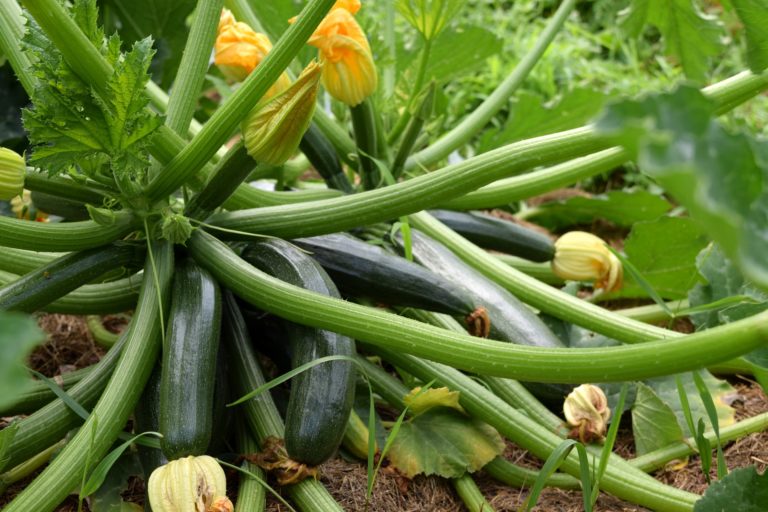
Ever dreamt of a summer overflowing with delicious, homegrown zucchini? Imagine the satisfaction of harvesting these versatile vegetables, ready to be transformed into everything from zucchini bread to savory fritters. But getting there takes a little planning and the right knowledge, especially when it comes to feeding your plants and getting them off to the best start. Let's explore the secrets to successful zucchini planting and proper fertilization.
Zucchini Planting: Setting the Stage for Success
Successfully growing zucchini starts long before you even think about fertilizer. The initial planting stages are crucial for setting the foundation for healthy, productive plants. Let's dive into the key aspects of zucchini planting.
Timing is Everything: When to Plant Zucchini
Zucchini are warm-weather crops, meaning they despise frost! Plant your zucchini seeds or seedlings after the last expected frost in your area. Soil temperature is also critical; it should be at least 60°F (15°C) for optimal germination. You can start seeds indoors about 3-4 weeks before the last frost to get a head start, but be gentle when transplanting, as zucchini roots don't like to be disturbed.
Here’s a quick guide to planting times:
- Direct Sowing: Late spring to early summer, when soil is warm.
- Starting Indoors: 3-4 weeks before the last expected frost.
Choosing the Right Location: Sunlight and Soil
Zucchini plants are sun worshippers! They need at least 6-8 hours of direct sunlight each day to thrive. A location with well-draining soil is also essential. Zucchini plants don't like "wet feet," so avoid areas where water tends to pool after rain. Aim for a soil p H between 6.0 and
7.5. Prior to planting, amend the soil with compost or well-rotted manure to improve drainage and fertility. Proper sunlight and soil are fundamental for a bountiful zucchini harvest.
Planting Techniques: Spacing and Depth
Give your zucchini plants plenty of room to grow. They can become quite large and bushy, so adequate spacing is essential for good air circulation and to prevent overcrowding, which can lead to disease. Plant seeds about 1 inch deep and space plants 2-3 feet apart. If you're planting in rows, allow 3-4 feet between rows. When transplanting seedlings, handle them carefully and plant them at the same depth they were growing in their containers. Water thoroughly after planting to help settle the soil.
Zucchini Fertilizer: Feeding Your Plants for Optimal Growth
Once your zucchini plants are established, proper fertilization is key to ensuring vigorous growth and a bountiful harvest. Zucchini are heavy feeders, meaning they require a good supply of nutrients to produce those delicious fruits.
Understanding Fertilizer Numbers: N-P-K
Fertilizers are labeled with three numbers, representing the percentage of nitrogen (N), phosphorus (P), and potassium (K) they contain. Nitrogen promotes leafy growth, phosphorus supports root development and flowering, and potassium contributes to overall plant health and fruit production. For zucchini, a balanced fertilizer or one slightly higher in phosphorus is generally recommended. For example, a 5-10-10 or 10-10-10 fertilizer would be a good choice.
Here’s a breakdown of what each nutrient does:
- Nitrogen (N): Promotes leafy growth, giving the plant vibrant green foliage.
- Phosphorus (P): Supports root development, flowering, and fruit production.
- Potassium (K): Enhances overall plant health, disease resistance, and fruit quality.
Types of Zucchini Fertilizer: Organic vs. Synthetic
You have two main options when it comes to fertilizing your zucchini: organic and synthetic fertilizers. Organic fertilizers are derived from natural sources, such as compost, manure, bone meal, and blood meal. They release nutrients slowly over time and improve soil health. Synthetic fertilizers are manufactured chemically and provide nutrients in a readily available form. They can be more precise in their nutrient ratios but don't contribute to soil health. The choice depends on your preferences and gardening style.
Here's a table summarizing the pros and cons:
| Fertilizer Type | Pros | Cons |
|---|---|---|
| ----------------- | -------------------------------------------------------------------------- | ------------------------------------------------------------------------------ |
| Organic | Improves soil health, slow-release, environmentally friendly | Can be more expensive, nutrient release can be unpredictable |
| Synthetic | Readily available nutrients, precise nutrient ratios, often less expensive | Doesn't improve soil health, potential for over-fertilization, environmental concerns |
When and How to Fertilize Zucchini Plants
Start fertilizing your zucchini plants about 2-3 weeks after they emerge or after transplanting seedlings. Use a starter fertilizer solution diluted according to the product instructions. Side-dress your plants with granular fertilizer every 3-4 weeks throughout the growing season. Side-dressing involves applying fertilizer along the sides of the plants, a few inches away from the stems. Water thoroughly after fertilizing to help the nutrients reach the roots. Be careful not to over-fertilize, as this can lead to excessive foliage growth at the expense of fruit production.
Over-fertilizing can also cause blossom end rot, which is characterized by a dark, sunken spot on the blossom end of the zucchini. Proper watering and balanced fertilization are key to preventing this common problem. If you notice blossom end rot, consider adding calcium to the soil or using a calcium-rich foliar spray.
Specific Fertilizer Recommendations for Zucchini
Here are some specific fertilizer options to consider:
- Compost: An excellent soil amendment and slow-release fertilizer.
- Well-rotted Manure: Provides a good balance of nutrients and improves soil structure.
- Bone Meal: Rich in phosphorus, promotes root development.
- Blood Meal: Rich in nitrogen, promotes leafy growth. Use sparingly.
- Balanced Granular Fertilizer (e.g., 10-10-10 or 5-10-10): Provides a balanced supply of nutrients.
- Liquid Seaweed Extract: A good source of micronutrients and can be used as a foliar spray.
Troubleshooting Common Zucchini Problems
Even with proper planting and fertilization, you may encounter some common zucchini problems. Here's how to address them.
Powdery Mildew
Powdery mildew is a fungal disease that appears as a white, powdery coating on the leaves. To prevent powdery mildew, ensure good air circulation around your plants, avoid overhead watering, and use a fungicide if necessary.
Squash Vine Borers
Squash vine borers are pests that tunnel into the stems of zucchini plants, causing them to wilt and die. To prevent squash vine borers, wrap the base of the stems with aluminum foil or row covers. You can also inject Bacillus thuringiensis (Bt) into the stems to kill the borers.
Blossom End Rot
As mentioned earlier, blossom end rot is caused by a calcium deficiency. Ensure adequate watering and consider adding calcium to the soil or using a calcium-rich foliar spray.
Want to try growing a variety of zucchini and squash? Check out this Mix 50 Zucchini and Squash Mix Seeds, which includes 12 Varieties of Non-GMO Delicious seeds, Grown in USA, and Rare Super Prolific! You can purchase this versatile seed mix here: https://amzn.to/4j Gx DDx. It’s a great way to add some unique flavors and shapes to your summer garden.