Have you ever looked at your zucchini plant, overflowing with summer squash, and wondered if you could use more than just the fruit? You might be surprised to learn that there's a lesser-known edible part: the stalk! Yes, that sturdy stem supporting your prolific zucchini can be a delicious addition to your kitchen creations, reducing waste and adding a unique flavor to your meals. Exploring the Edibility of Zucchini Plant Stalk Many gardeners are familiar with the delight of harvesting fresh zucchini, but few consider the potential of the zucchini plant stalk. Understanding the nutritional value, preparation techniques, and safety considerations surrounding zucchini stalks can unlock a whole new culinary dimension for your garden bounty. So, is the zucchini stalk edible? The short answer is yes, but with a few important caveats. We need to consider the age of the plant and potential bitterness. Mature zucchini stalks, especially those from older plants,...
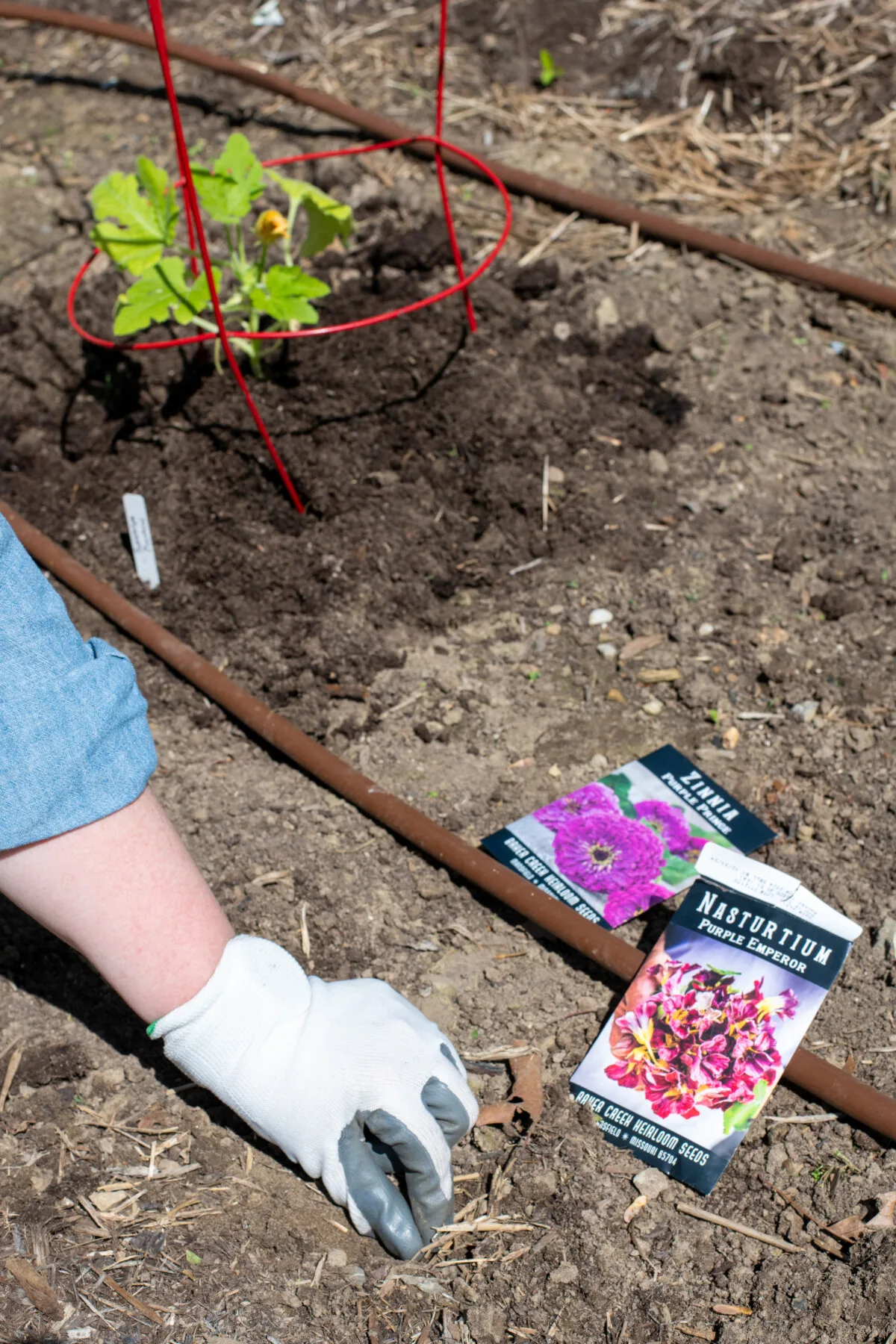
Ever dreamt of walking out to your garden and picking fresh, vibrant zucchini? Imagine the satisfaction of knowing you nurtured that squash from a tiny seed to a flourishing plant. Growing zucchini is easier than you might think, and with a little know-how, you can be harvesting your own bounty in no time! Let's dive into the world of zucchini and learn how to plant zucchini like a pro.
Getting Started: Planning Your Zucchini Planting
Before you even touch a seed, some planning is key. Zucchini, like most squash, are warm-weather lovers and need plenty of sunshine to thrive. Choosing the right variety and preparing your garden bed are crucial first steps.
Choosing the Right Zucchini Variety
Zucchini comes in a delightful array of shapes, sizes, and colors! From the classic dark green varieties like 'Black Beauty' and 'Cocozelle' to the golden 'Golden Zucchini' and the round 'Eight Ball' zucchini, the choices can seem overwhelming. Consider your garden space and taste preferences when making your selection.
- Black Beauty: A popular, reliable variety known for its dark green, almost black skin and mild flavor.
- Cocozelle: Italian heirloom with mottled green skin and a slightly nutty flavor.
- Golden Zucchini: Offers a bright yellow skin and a slightly sweeter taste compared to the green varieties.
- Eight Ball: A round zucchini, perfect for stuffing and baking. Great for small gardens due to its compact size.
Also consider disease resistance! Some varieties are more resistant to common zucchini diseases like powdery mildew. Check the seed packet information for details.
Preparing the Garden Bed for Planting Zucchini
Zucchini are heavy feeders, which means they need nutrient-rich soil to flourish. Before planting zucchini, amend your garden bed with plenty of compost or well-rotted manure. This will provide the essential nutrients the plants need to grow strong and produce abundant fruit. Well-draining soil is also crucial. Zucchini don't like to sit in soggy soil, as this can lead to root rot. If your soil is heavy clay, consider adding sand or other organic matter to improve drainage.
Ideally, the soil p H should be between 6.0 and
7.5. A soil test can help you determine your soil's p H and nutrient levels. You can easily find soil testing kits at most garden centers. Based on the results, you can amend the soil accordingly with lime to raise the p H or sulfur to lower it.
Sunlight is another vital factor. Zucchini needs at least 6-8 hours of direct sunlight each day. Choose a location in your garden that receives ample sunlight. Avoid planting zucchini in areas that are shaded by trees or buildings.
The Planting Process: How to Plant Zucchini Seeds or Seedlings
Now that you've chosen your variety and prepared your garden bed, it's time to get your hands dirty and actually plant zucchini! You have two options: starting from seeds or using seedlings. Let's explore both.
Starting Zucchini from Seeds
Starting zucchini from seeds is a budget-friendly option. You can either start the seeds indoors 3-4 weeks before the last expected frost or direct sow them into the garden once the soil has warmed up to at least 60°F (15°C). Direct sowing is often preferred, as zucchini seedlings don't always transplant well.
How to direct sow zucchini seeds:
- Choose a sunny spot in your garden.
- Create mounds of soil about 1 inch (2.5 cm) high and 2-3 feet (60-90 cm) apart.
- Plant 2-3 seeds per mound, about 1 inch (2.5 cm) deep.
- Water gently but thoroughly.
- Once the seedlings emerge, thin them to one strong plant per mound.
When starting seeds indoors, use biodegradable pots. This will minimize root disturbance during transplanting. Plant 1-2 seeds per pot, about 1 inch (2.5 cm) deep. Keep the soil moist but not soggy. Harden off the seedlings by gradually exposing them to outdoor conditions for a week before transplanting them into the garden.
Transplanting Zucchini Seedlings
If you purchased zucchini seedlings from a nursery or started them indoors, it's crucial to handle them carefully during transplanting. The key is to minimize root disturbance.
How to transplant zucchini seedlings:
- Dig a hole slightly larger than the root ball of the seedling.
- Gently remove the seedling from its container, being careful not to damage the roots.
- Place the seedling in the hole, ensuring that the top of the root ball is level with the surrounding soil.
- Fill the hole with soil and gently firm it around the base of the plant.
- Water thoroughly.
Transplant zucchini seedlings on a cloudy day or in the late afternoon to minimize stress. Provide shade for the first few days to help them adjust to their new environment.
Caring for Your Zucchini Plants
Once your zucchini plants are in the ground, regular care is essential for a bountiful harvest. Proper watering, fertilizing, and pest control are key.
Watering Zucchini Plants
Zucchini plants need consistent moisture, especially during hot, dry weather. Water deeply and regularly, aiming to keep the soil consistently moist but not waterlogged. A good rule of thumb is to water when the top inch of soil feels dry to the touch. Water at the base of the plant to avoid wetting the leaves, which can encourage fungal diseases like powdery mildew. Mulching around the plants can help retain moisture and suppress weeds.
Drip irrigation or soaker hoses are excellent choices for watering zucchini plants, as they deliver water directly to the roots without wetting the foliage. Aim for about 1 inch (2.5 cm) of water per week, either through rainfall or irrigation.
Fertilizing Zucchini Plants
Zucchini are heavy feeders, so regular fertilization is important. Apply a balanced fertilizer, such as 10-10-10, every 3-4 weeks. Alternatively, you can side-dress the plants with compost or well-rotted manure. Avoid over-fertilizing, as this can lead to excessive foliage growth at the expense of fruit production.
Consider using a fertilizer specifically formulated for vegetables, as these typically contain the right balance of nutrients for optimal growth and yield. Organic fertilizers, such as fish emulsion or seaweed extract, are also excellent choices.
Dealing with Common Zucchini Pests and Diseases
Unfortunately, zucchini plants are susceptible to a few common pests and diseases. Squash bugs, squash vine borers, and powdery mildew are among the most common challenges.
Squash bugs: These pests can suck the sap from leaves, causing them to wilt and die. Handpicking the bugs and their eggs (found on the undersides of leaves) is an effective control method. Insecticidal soap can also be used.
Squash vine borers: These sneaky pests bore into the stems of zucchini plants, causing them to wilt and eventually die. Prevention is key. Wrap the base of the stems with aluminum foil or row covers to prevent the borers from laying their eggs. If you suspect a borer infestation, you can try injecting Bacillus thuringiensis (Bt) into the stem.
Powdery mildew: This fungal disease appears as a white, powdery coating on the leaves. Improve air circulation by pruning the plants. Apply a fungicide specifically formulated for powdery mildew. Neem oil is an effective organic option.
Harvesting Your Zucchini
Harvesting zucchini at the right time is crucial for optimal flavor and texture. Zucchini is usually ready to harvest about 50-60 days after planting. Look for fruits that are about 6-8 inches (15-20 cm) long and have smooth, glossy skin. Use a sharp knife to cut the zucchini from the plant, leaving a short stem attached. Regular harvesting encourages the plant to produce more fruit.
Overripe zucchini can become tough and seedy. It's better to harvest them when they are still young and tender. Zucchini can be stored in the refrigerator for up to a week. They can also be frozen, canned, or made into pickles or relish.
Now that you know how to plant a zucchini, you're well on your way to a garden overflowing with delicious summer squash. So get planting, and enjoy the fruits (or vegetables!) of your labor!
If you're looking for a fun way to add some variety to your zucchini harvest, you might consider trying a Mix 50 Zucchini and Squash Mix Seeds with 12 different Non-GMO varieties. These delicious seeds are grown in the USA and are known for being rare and super prolific. Check them out on Amazon: Mix 50 Zucchini and Squash Mix Seeds.