Have you ever looked at your zucchini plant, overflowing with summer squash, and wondered if you could use more than just the fruit? You might be surprised to learn that there's a lesser-known edible part: the stalk! Yes, that sturdy stem supporting your prolific zucchini can be a delicious addition to your kitchen creations, reducing waste and adding a unique flavor to your meals. Exploring the Edibility of Zucchini Plant Stalk Many gardeners are familiar with the delight of harvesting fresh zucchini, but few consider the potential of the zucchini plant stalk. Understanding the nutritional value, preparation techniques, and safety considerations surrounding zucchini stalks can unlock a whole new culinary dimension for your garden bounty. So, is the zucchini stalk edible? The short answer is yes, but with a few important caveats. We need to consider the age of the plant and potential bitterness. Mature zucchini stalks, especially those from older plants,...
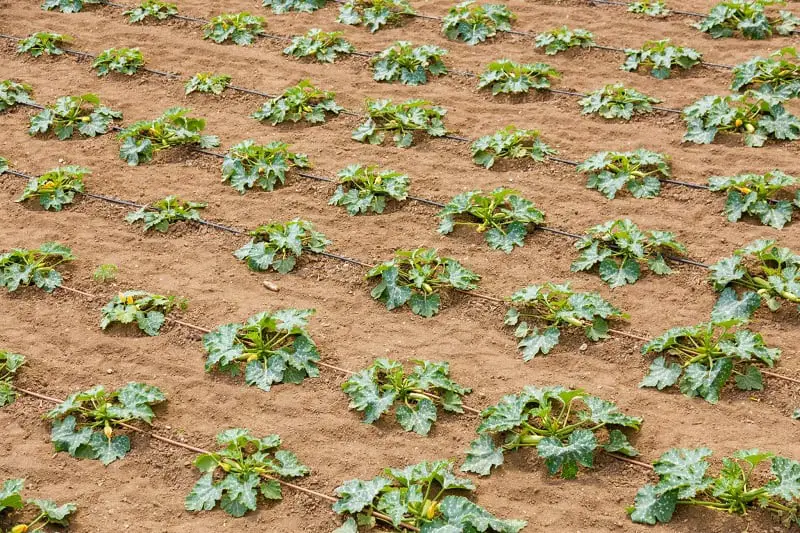
So, you're dreaming of zucchini bread, stuffed zucchini flowers, and maybe even a fried zucchini blossom or two? Fantastic! But before you dive headfirst into planting those eager zucchini seeds, there's a crucial question to answer: how far apart should you plant zucchini to give them the space they need to thrive?
Understanding Zucchini Growth Habits and Why Spacing Matters
Zucchini plants arevigorous growers. They're not shy about taking up space! Unlike some delicate herbs or compact flowers, zucchini sprawls. They are known for their large leaves, which can quickly create a dense canopy. This is fantastic for shading the soil and preventing weeds, but it can become a problem if the plants are crammed too closely together.
Why Proper Spacing Is Key for Healthy Zucchini Plants
Proper spacing when planting zucchini is not just a suggestion; it's essential for a healthy and productive harvest. Think of it as giving each plant its own little personal space to thrive. Here's why adequate spacing is so important:
- Sunlight: Zucchini plants need plenty of sunshine (at least 6-8 hours a day) to fuel their growth. If they're too close together, the leaves will shade each other, hindering photosynthesis and reducing fruit production.
- Air Circulation: Good air circulation is vital for preventing fungal diseases like powdery mildew, a common problem for zucchini. When plants are packed tightly, the air stagnates, creating a humid environment that encourages disease.
- Nutrient Competition: Each zucchini plant needs access to nutrients in the soil. When they're too close, they compete for these resources, leading to stunted growth and lower yields.
- Ease of Harvest: Zucchini plants produce a LOT of zucchini, and they do it quickly! If the plants are spaced too closely, it becomes difficult to navigate through the foliage to find and harvest the fruits before they become oversized and seedy.
How Far Apart to Plant Zucchini: The Recommended Spacing
Okay, so how far apartshouldyou plant zucchini? The general recommendation is to space zucchini plants2 to 3 feet apart. This applies whether you are planting in rows or in a raised bed. Let's break that down a bit further:
Planting in Rows:
If you're planting zucchini in rows, space the rows3 to 4 feet apart. This allows enough room to walk between the rows for weeding, watering, and harvesting. The specific row spacing will depend on the variety. Bush varieties tend to be more compact and can get away with 3 feet. More sprawling varieties, like some heirloom types, may need 4 feet.
Planting in Hills or Mounds:
Some gardeners prefer to plant zucchini in hills or mounds. This can improve drainage, especially in heavy clay soils. If you choose this method, space the hills2 to 3 feet apart and plant 2-3 seeds per hill, thinning to the strongest plant after they emerge. This method is less common, but if it suits your garden style, it can be quite effective.
Factors That Influence Spacing Decisions
While the 2-3 foot rule is a good starting point, several factors can influence the ideal spacing for your zucchini plants. Remember, good gardening adapts to the specific conditions, so consider these points:
- Zucchini Variety: Some zucchini varieties are more compact ("bush" varieties), while others are more sprawling ("vining" varieties). Bush varieties can be spaced closer together (around 2 feet), while vining varieties will need more room (up to 3 feet). Always check the seed packet or plant label for specific recommendations.
- Soil Fertility: If your soil is particularly fertile, your zucchini plants may grow larger and more vigorously, requiring more space. If your soil is less fertile, you may be able to get away with slightly closer spacing.
- Climate: In warmer climates with longer growing seasons, zucchini plants tend to grow larger and faster, so they may need more space. In cooler climates, you can often plant them closer together.
- Growing Method: If you're growing zucchini in containers, you'll need to choose a large container (at least 15-20 gallons) and plant only one zucchini plant per container.
Want to try growing a bunch of different zucchini types? Then I heartily recommend these varied zucchini and squash seeds - a Mix 50 Zucchini and Squash Mix Seeds 12 Varieties Non-GMO Delicious Grown in USA. Rare Super Profilic. You can find a wide selection of these unique zucchinis with this special seed selection: https://amzn.to/4j Gx DDx. A wonderful seed diversity right in your backyard!
What Happens if You Plant Zucchini Too Close?
Ignoring the recommended spacing guidelines and planting zucchini too closely can lead to a host of problems. As mentioned earlier, crowded plants compete for sunlight, water, and nutrients, resulting in smaller, less productive plants. But the problems don't stop there.
- Reduced Fruit Production: Shaded leaves produce less energy, leading to fewer flowers and fewer fruits. The fruits that do develop may be smaller and of lower quality.
- Increased Disease Risk: Poor air circulation creates a breeding ground for fungal diseases like powdery mildew, downy mildew, and squash vine borer infestations. These diseases can quickly spread through a crowded patch of zucchini, decimating your harvest.
- Difficulty Harvesting: Trying to navigate through a dense thicket of zucchini plants to find and harvest the fruits can be a real challenge. You're more likely to miss fruits, allowing them to grow too large and become seedy.
- Pest Infestations: Crowded plants provide a safe haven for pests like squash bugs, squash vine borers, and aphids. These pests can quickly weaken or even kill your zucchini plants.
Tips for Maximizing Zucchini Production
Even with proper spacing, there are other things you can do to maximize your zucchini harvest. Here are a few tips:
- Choose the Right Variety: Select zucchini varieties that are well-suited to your climate and growing conditions. Look for disease-resistant varieties to reduce the risk of problems.
- Amend Your Soil: Zucchini plants are heavy feeders, so amend your soil with plenty of compost or other organic matter before planting. This will provide the plants with the nutrients they need to thrive.
- Water Regularly: Zucchini plants need consistent moisture, especially during hot, dry weather. Water deeply and regularly, but avoid overwatering, which can lead to root rot.
- Fertilize Regularly: In addition to amending the soil, fertilize your zucchini plants regularly with a balanced fertilizer. Follow the instructions on the fertilizer label.
- Pollinate Flowers: Zucchini plants have separate male and female flowers. To ensure fruit production, the female flowers need to be pollinated. If you're not seeing many bees or other pollinators in your garden, you may need to hand-pollinate the flowers yourself.
- Harvest Regularly: Zucchini plants produce a lot of zucchini, and they do it quickly! Harvest the fruits when they are young and tender (about 6-8 inches long). This will encourage the plant to produce more fruits.
Planting Zucchini: A Step-by-Step Guide
Now that you know how far apart to plant zucchini, let's walk through the basic steps of planting these delightful vegetables:
- Choose a sunny location: As mentioned earlier, zucchini plants need at least 6-8 hours of sunlight per day.
- Prepare the soil: Amend the soil with plenty of compost or other organic matter.
- Plant the seeds or seedlings: Plant seeds 1 inch deep, or transplant seedlings at the same depth they were growing in their containers. Remember to space them 2-3 feet apart.
- Water thoroughly: After planting, water the seeds or seedlings thoroughly.
- Mulch around the plants: Mulch helps to retain moisture, suppress weeds, and regulate soil temperature.
- Protect from pests: Monitor your plants regularly for pests and diseases. Take action quickly to prevent problems from spreading.
Conclusion: Embrace the Zucchini Abundance!
Planting zucchini can be incredibly rewarding, leading to a summer bounty of delicious and versatile fruits. By paying attention to spacing requirements, providing proper care, and harvesting regularly, you can enjoy a prolific harvest of zucchini that will keep you and your neighbors well-fed all season long. Happy gardening!